Top Emergency Plumbers in Asylum Township, PA, 18848 | Compare & Call

There are 39 plumbing companies server in Asylum Township PA
Bill The Plumber is a trusted, veteran-owned plumbing and HVAC service based in Clarks Summit, PA, serving homeowners and businesses throughout Lackawanna, Luzerne, and Wyoming Counties since 2020. We...

Ron's Handyman Service in Wysox, PA, provides reliable home maintenance and repair solutions for local residents. With expertise spanning appliance installation, plumbing, electrical work, drywall, pa...
Paul Eveland Plumbing & Heating is your trusted, full-service plumbing company serving Tunkhannock, PA, and the surrounding Wyoming County area. We provide reliable solutions for everything from emerg...

Carpinet Plumbing & Heating
Since 1947, Carpinet Plumbing & Heating has been the trusted name for plumbing, heating, and cooling in Wyoming, PA, and throughout Luzerne County. As a family-owned and operated business, we bring ov...
C.S. Ashley Plumbing Company is a local, owner-operated plumbing and HVAC service serving New Milford, PA, and the greater Binghamton area. As a Licensed Master Plumber with over two decades of hands-...
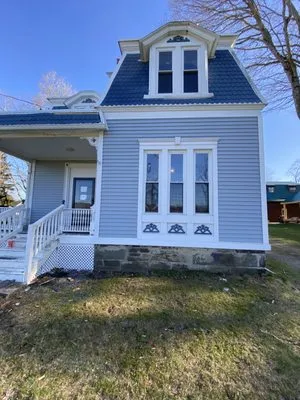
Trinity Handyman Services is a trusted local provider in Montrose, PA, offering comprehensive home maintenance and repair solutions. With expertise spanning appliance installation and repair, plumbing...
NEPA Handyman serves homeowners and businesses in Montrose, PA, providing reliable repair and installation services to keep local properties functioning smoothly. Many Montrose homes face common issue...
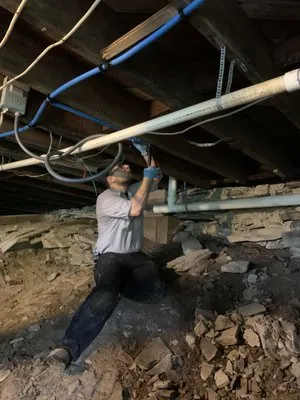
Apricity Mechanical
Apricity Mechanical is a trusted local appliance and plumbing service provider based in Chinchilla, PA, offering comprehensive solutions for homeowners. With expertise in appliance repair, installatio...
Primo Sewer Cleaning
Primo Sewer Cleaning is a trusted, locally owned plumbing company serving Dickson City and Northeast Pennsylvania. With over a decade of experience, we specialize in sewer and drain cleaning, hydro-je...
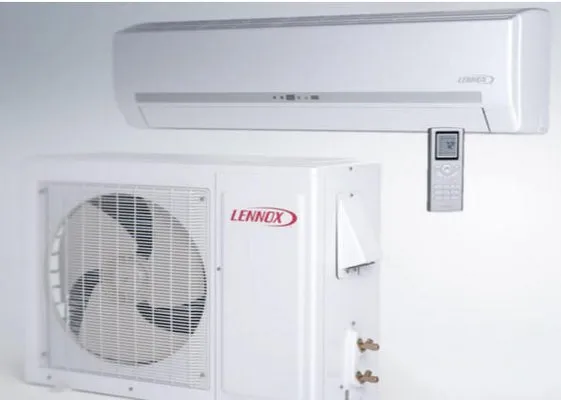
Wilcox's General Services
Wilcox's General Services LLC was founded in 1996 by owner Stephen K. Wilcox Sr., a Montrose resident driven to apply his skills for the benefit of his community. With a steadfast commitment to fairne...
Estimated Plumbing Costs in Asylum Township, PA
Common Questions
What plumbing problems should I expect in my 1970s Asylum Village home?
Your copper plumbing is now 55 years old. At this stage, you'll likely see blue-green staining at fixture joints, a sign the protective patina is wearing thin. Homeowners here are increasingly dealing with small, persistent leaks that appear at solder joints. This isn't a sudden failure, but a predictable age-related decline. A whole-house repipe is the permanent fix, but strategic spot repairs can manage it for several more years.
How quickly can a plumber get to my house in Asylum Township?
Our standard response is 45 to 60 minutes. The dispatch route typically starts near the Susquehanna River, heading west on US-6 into the township. That main artery handles most traffic, but accessing homes on the back roads off it adds time. For a true emergency, we can often get a truck rolling from a job in the village in under 30.
Who handles permits for a bathroom remodel or new water heater?
Bradford County Planning Commission issues the permits, and the installation must meet Pennsylvania Department of Labor and Industry code. As the master plumber on the job, I pull all required permits and schedule the inspections. My license with the state means I handle that red tape so you don't have to navigate it yourself. The paperwork ensures the work is documented and adds value to your property.
Does Susquehanna River water damage my water heater?
Indirectly, yes. The river feeds the municipal supply, which has high mineral content. This hard water causes scale to cement itself to the bottom of your water heater's tank and on the heating elements. That buildup forces the unit to work harder, reducing efficiency and lifespan. You'll see it as higher energy bills and possibly a rumbling sound from the tank. An annual flush and a whole-house water softener are the best defenses.
Are there special plumbing considerations for a rural home here?
The primary considerations are your private well and septic system, not city water and sewer. Well pump pressure and sediment filters need regular service. For septic, the key is avoiding backups by not overloading the drain field and having the tank pumped every 3-5 years. Also, because you're on a well, a power outage means you lose water pressure immediately, unlike a municipal system with tower storage.
Could my home's hillside location cause plumbing problems?
Absolutely. The hilly terrain around the Susquehanna River puts constant stress on your main sewer line or water service line. Gravity and soil movement from freeze-thaw cycles can cause pipes to settle or develop low spots that collect debris. For drainage, it can mean surface water flows toward your foundation instead of away. We often find that a chronically slow drain in a hillside home is due to a sag in the main line, not a simple clog.
What's the most important spring plumbing maintenance for this area?
Inspect your main water shutoff valve before the spring thaw. Temperatures here can drop to 17 degrees, and any undetected minor freeze damage from winter can become a major leak once the ground fully thaws and water pressure normalizes. Locate the valve, usually in the basement or crawlspace, and operate it slowly to ensure it turns freely. A valve that hasn't been used in years can seize, leaving you without a way to stop water during a burst line.
Why do I keep getting pinhole leaks in my copper pipes?
This is a classic failure for 1971-era copper. Pinhole leaks are often caused by a combination of pipe age and our hard water. Microscopic erosion occurs inside the pipe over decades, accelerated by mineral scale and water chemistry. The leak usually starts on the hot water line or at a fitting. It's a systemic issue, not a fluke; patching one often means another is developing elsewhere in the system.
