Top Emergency Plumbers in Anthony, PA, 17756 | Compare & Call

There are 67 plumbing companies server in Anthony PA
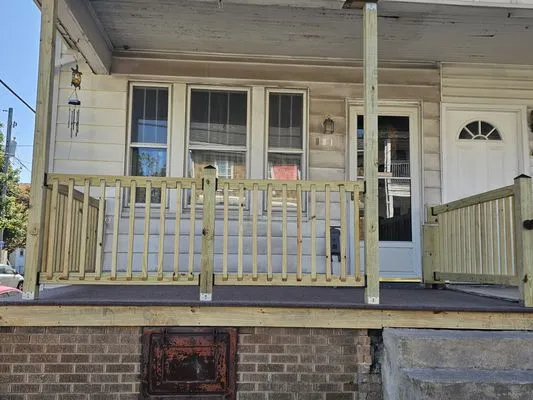
Lynn's Handyman Services is a trusted local provider in Tamaqua, PA, offering comprehensive home repair and maintenance solutions. With expertise spanning appliance installation and repair, plumbing, ...

Knights For Christ is a faith-based remodeling and construction company serving the Freeland, PA community. We provide a comprehensive range of home improvement services, from kitchen and bathroom ren...

Just Junk in Sanatoga, PA, is a local service provider specializing in comprehensive property solutions, including junk removal, demolition, and drainage services. Our team handles appliance and furni...
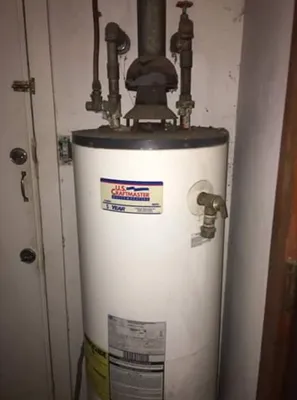
SHOOKIE'S Plumbing & Heating
Shookie's Plumbing & Heating was born from a very real, local need. When owner Shookie's own boiler broke down years ago and money was tight, he rolled up his sleeves and figured it out himself. That ...
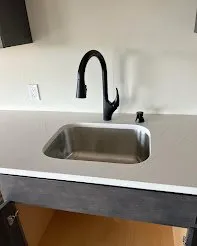
High Destiny Services is a family-run plumbing company serving Philadelphia, PA, and surrounding areas including Luzerne, Wyoming, Columbia, and Lackawanna counties. We provide reliable plumbing solut...

Primo Sewer Cleaning
Primo Sewer Cleaning is a trusted, locally owned plumbing company serving Dickson City and Northeast Pennsylvania. With over a decade of experience, we specialize in sewer and drain cleaning, hydro-je...

Hello, my name is Andy, the owner of Andy's Handyman Services in Mehoopany, PA. I started this business back in early 2014, doing small jobs for neighbors and close friends. I realized I could turn my...
American Rooter is your trusted, locally owned plumbing partner in Zion Grove, PA. We bring years of hands-on experience to every job, treating your home with the same care and respect as our own. Our...
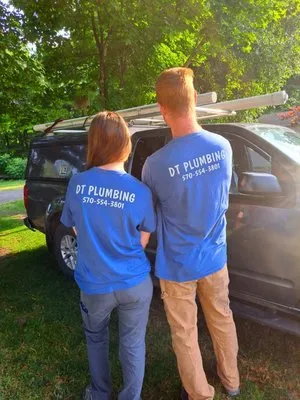
DT Plumbing is your trusted local plumbing expert serving Lewisburg, PA, and surrounding areas. We specialize in comprehensive plumbing services including bathtub, shower, sink, toilet, and water heat...

Kyle Long's Plumbing and More
For over 18 years, Kyle Long has been the trusted expert behind the drill rig, servicing wells, installing pumps, and solving complex water treatment challenges throughout the Catawissa area. Driven b...
Estimated Plumbing Costs in Anthony, PA
FAQs
What permits are needed for a water heater replacement in Anthony Township?
Anthony Township Zoning and Code Enforcement requires a permit for any water heater replacement, as it involves pressure, fuel, and venting safety. As a master plumber licensed by the Pennsylvania Department of Labor and Industry, I pull the permit, schedule the required inspections, and ensure the installation meets all current code for bonding, pan, and T&P discharge. My crew handles that red tape so the process is seamless for you.
Could the hilly land around my home cause plumbing problems?
The slope common around Anthony Township Park directly stresses your main water service line and drainage. The constant gravitational pull on the main line can slowly weaken connections at the house entry point or the well tank. For drainage, hillside soil saturation during wet periods can lead to lateral line shifting or settlement, creating low spots in your drains that collect debris and cause backups.
How quickly can a plumber get to Anthony, PA in an emergency?
From our dispatch, we head past Anthony Township Park on PA-44 to reach most homes in the area. The 45 to 60 minute response time accounts for rural road conditions and the specific turn-offs needed to reach your property. We prioritize calls to get a truck rolling immediately, so you'll have an ETA and a direct line to the technician en route.
Does hard water from my private well damage my plumbing system?
Yes, the mineral content in well water causes scale buildup, which acts as an insulator inside pipes and appliances. In water heaters, this scale layer drastically reduces efficiency and can overheat the lower heating element, leading to premature failure. For fixtures, scale restricts flow and degrades valve seals, causing drips. Installing and maintaining a proper water softener is a critical defense for your home's entire plumbing system.
My copper plumbing is original to my 1974 Anthony Village home. Should I be worried?
With your copper plumbing now at 52 years old, it's in the typical failure window. Homeowners here are seeing two main issues. First, pinhole leaks from decades of water chemistry interaction with the pipe walls. Second, the solder joints holding sections together are failing from repeated thermal expansion and contraction. It's not an immediate crisis for every home, but you should budget for potential repairs or a proactive repipe in the coming years.
What's the most important spring plumbing maintenance for Anthony's climate?
Before the spring thaw hits its peak, shut off and drain any exterior hose bibs and irrigation lines you may have. The cycle of freezing to 18 degrees and then rapid warming during the thaw puts immense stress on pipe fittings and valves. A pro-tip is to also check the pressure relief valve on your water heater this time of year, as sediment movement from the temperature shift can cause it to stick.
Why do my copper pipes keep springing pinhole leaks?
Copper pipes installed around 1974 are prone to pinhole leaks due to a process called type 2 pitting corrosion. Over five decades, microscopic imperfections in the pipe's interior, combined with our local water chemistry from private wells, create concentrated corrosion cells. This eats through the pipe wall from the inside, resulting in those small, frustrating leaks that often appear on horizontal runs or near fittings.
How does having a private well and septic system change my plumbing needs?
Operating your own water and waste systems means maintenance responsibility falls entirely on you, not a municipal utility. Well pump pressure switches and septic tank baffles need regular inspection. A key difference is that any work on the well side, from the pitless adapter onward, or the septic tank and lateral field, requires specific licensing and should be coordinated to protect both systems simultaneously.
