Top Emergency Plumbers in Allegheny, PA, 15068 | Compare & Call

There are 239 plumbing companies server in Allegheny PA

All Service Home Maintenance in Dillonvale, OH, is your trusted local partner for residential and commercial property upkeep. We provide a comprehensive range of solutions, from electrical panel and c...
Revelation Plumbing serves Pittsburgh homeowners with reliable, same-day plumbing solutions. We understand that plumbing emergencies like burst pipes or sewer backups can't wait, which is why we arriv...
1-Tom-Plumber is a trusted plumbing service in Tarentum, PA, offering comprehensive solutions for both residential and commercial clients. Available 24/7/365, we specialize in everything from routine ...
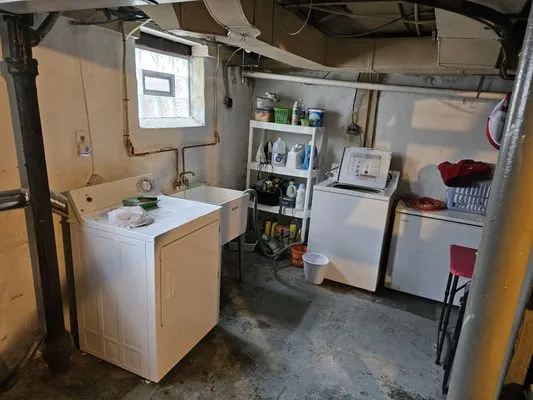
Drain Bros is a family-owned plumbing service deeply rooted in Bethel Park and the South Hills of Pittsburgh. Our licensed master plumbers bring over a decade of experience to every job, from simple f...

Metz Plumbing & Sewer Lining LLC is a family-owned plumbing service rooted in Canonsburg, PA, with over 20 years of industry experience. Founded by professionals who previously managed a large local c...
Cheddar's Plumbing is a locally owned and operated residential plumbing service in Pittsburgh, PA, founded by Nick and his wife with a commitment to quality work at fair prices. Since 2016, Nick has b...

Knight & Day Plumbing
Knight & Day Plumbing is a trusted, full-service plumbing company serving Pittsburgh, PA, and the surrounding communities. We specialize in addressing the unique plumbing challenges of the Steel City,...
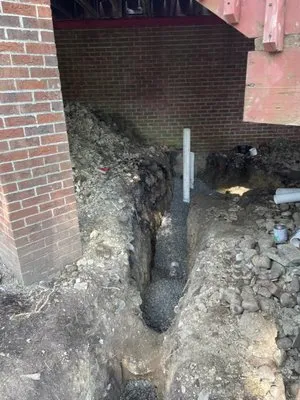
G Horvath Plumbing is a trusted, locally-owned plumbing service serving Pittsburgh and the surrounding communities. As a full-service plumbing contractor, they handle everything from routine repairs t...
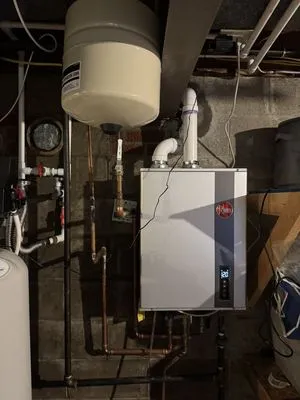
412 Handyman Solutions is a trusted local handyman service in Saxonburg, PA, with over 25 years of construction experience. We specialize in a wide range of home improvement services, including plumbi...
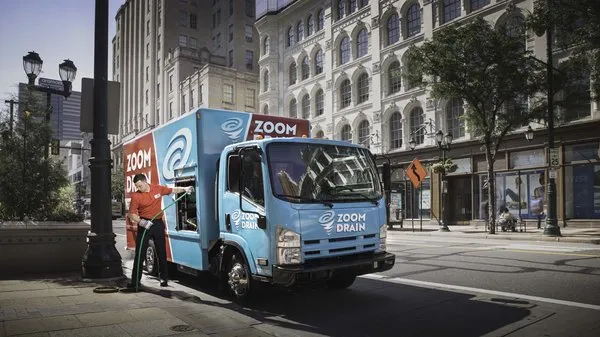
Zoom Drain of Pittsburgh is a locally owned and operated plumbing service founded by Pittsburgh native Mark Puzas. With deep roots in the community and a background in accounting and real estate, Puza...
Estimated Plumbing Costs in Allegheny, PA
Questions and Answers
I live in an older urban area. Are tree roots a problem for my pipes?
In established urban neighborhoods like Deutschtown, mature tree roots seeking moisture are a primary cause of blocked sewer laterals. Roots infiltrate small cracks at pipe joints, especially in older clay or cast iron lines. They create a living net that catches everything, leading to repeated backups. A video inspection can identify root intrusion before it causes a complete blockage in the city main.
Can the hilly terrain around here cause drainage problems?
The slope of the land in Allegheny and near Point State Park puts constant gravitational stress on your main sewer lateral. Over decades, this can cause the pipe to sag or separate at joints, creating a belly that collects waste and leads to chronic blockages. For homes built on a grade, surface water runoff during heavy rain can also overwhelm foundation drains and sump pumps if they aren't maintained.
What's one thing I should do every spring to avoid a plumbing disaster?
Before the spring thaw hits its peak, inspect all exposed pipes in your basement and crawl spaces for condensation or minor seepage. Thawing ground can shift foundation pipes, turning a small winter drip into a major leak. It's also the right time to test your main water shut-off valve to ensure it turns freely. A proactive check in March can prevent the most common seasonal call we get.
Does Allegheny River water damage water heaters or fixtures?
Yes, the mineral content in the river leads to hard water scale. In water heaters, this sediment accumulates at the bottom, reducing efficiency and overheating the lower heating element until it fails. On fixtures and shower valves, scale restricts flow and degrades rubber seals and cartridges. Installing a whole-house water softener is the most effective defense to extend appliance life and maintain pressure.
How fast can a plumber get to Allegheny if I have an emergency leak?
Heading past Point State Park on I-279 is the main route into Allegheny and Deutschtown. From our shop, that's a reliable 30 to 45 minute dispatch window, traffic depending. We prioritize calls so the truck is rolling while we gather details. For major leaks, we advise shutting off the main valve immediately to minimize water damage before we arrive.
Who pulls the permits for a bathroom remodel in Pittsburgh?
Any significant plumbing alteration requires a permit from the City of Pittsburgh Department of Permits, Licenses and Inspections, with final sign-off from the Bureau of Building Inspection. As a licensed master plumber, I handle that red tape so you don't have to. This includes submitting detailed diagrams, scheduling inspections at rough-in and finish stages, and ensuring the work meets all current code amendments for the city.
My Deutschtown home was built in 1991. What kind of plumbing issues should I expect now?
Homes built here in 1991 have copper pipes that are now 35 years old. You're likely entering the period where pinhole leaks from internal corrosion become common. This corrosion often starts at solder joints or where pipes contact dissimilar metals. Many neighbors are seeing small, persistent leaks in walls or ceilings, especially on upper floors where pressure is higher.
Why do my 1990s copper pipes keep springing pinhole leaks?
Copper installed in the early 90s is susceptible to pinhole leaks due to a combination of age and water chemistry. The Allegheny River's hard water accelerates scale buildup and internal corrosion, particularly at joints. This thin-wall corrosion, combined with 35 years of thermal expansion and pressure cycles, eventually breaches the pipe wall. We often find clusters of these leaks behind walls and under floors.
