Top Emergency Plumbers in Albany, PA, 19529 | Compare & Call

There are 129 plumbing companies server in Albany PA

Zoom Drain in Plymouth Meeting, PA, is built on a legacy of family, hard work, and dedication to local service. Founded nearly three decades ago by Jim Criniti and his family, the business grew from a...

Hi, I'm Jim Morrow, owner-operator of James Morrow Electrician. My passion for electrical work started in 9th grade shop class—I wasn't just satisfied to see a light turn on; I needed to understand th...

Benjamin Franklin Plumbing
Benjamin Franklin Plumbing in Bethlehem, PA, provides reliable plumbing services for local homeowners. When plumbing emergencies strike, our team is available 24/7 to address urgent issues like burst ...
Agentis Plumbing
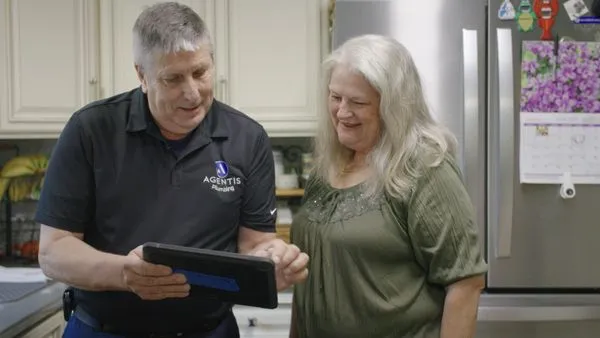
Agentis Plumbing is a third-generation, family-owned plumbing company that has been serving the Lehigh Valley, including Bethlehem, since 1954. We are your local Peace of Mind Plumber, committed to bu...

Zoom Drain in Fogelsville is built on a deep family legacy in plumbing, started by our grandfather in 1948. Twenty years ago, we launched Zoom with our dad and brother from a spare bedroom, riding tog...
NPM Plumbing is a family-owned plumbing business serving Lehighton, PA, and surrounding Carbon County areas with over 27 years of experience. We handle everything from routine maintenance and repairs ...

Bago Plumbing
Bago Plumbing provides reliable plumbing and drain cleaning services to Allentown and the Lehigh Valley. With over 20 years of experience, including senior-level work for a reputable local company, we...

Schuler Service
Schuler Service is a family-owned plumbing and remodeling company that has been a trusted part of the Allentown community since 1923. Founded as a small shop with a push-cart, the business, now owned ...

Elek Plumbing has been serving Allentown and the Lehigh Valley since 1913, when Hungarian immigrant William Elek Senior founded the business in Bethlehem. Now in its third generation of family ownersh...
Andreas Plumbing, Heating & Air Conditioning
Andreas Plumbing, Heating & Air Conditioning is a family-run, four-generation business proudly serving Lehighton and the surrounding Carbon County area. Founded on a deep commitment to the community, ...
Estimated Plumbing Costs in Albany, PA
FAQs
Could the hilly land around Hawk Mountain be causing my drainage problems?
The steep slopes in our area directly impact drainage. Downhill from your home, groundwater can pool and put constant pressure on your foundation and main sewer line. Uphill, surface runoff during heavy rain can overwhelm gutters and downspouts. This terrain also means sewer lines often have sharper bends, which are prone to clogging from roots or sediment. Proper grading and well-maintained gutter extensions are essential for diverting water away from the house.
How quickly can you get to my house in Albany if I have a burst pipe?
From my shop near Hawk Mountain Sanctuary, I take I-78 east to your exit. The dispatch route is straightforward, but the hilly backroads in Albany Township can add a few minutes. I plan for a 45 to 60 minute response window to account for that final stretch. For an active leak, I recommend shutting off your main valve at the well tank immediately—it buys us the critical time needed to get there.
What's the best way to prepare my Albany home's plumbing for winter?
Our winter lows around 19°F mean exposed pipes in crawlspaces or against uninsulated exterior walls are at risk. Insulate those lines before the first hard freeze. The bigger seasonal threat is the spring thaw, which can saturate the ground and put hydrostatic pressure on basement foundations and sewer lines. Make sure your sump pump is operational in late winter, and clear exterior drains of leaves to handle the meltwater runoff.
Does having a private well in Albany affect my water heater or appliances?
Yes, the hard water common to our private wells accelerates scale buildup inside water heaters and fixtures. Sediment and minerals settle in the bottom of your water heater tank, reducing its efficiency and lifespan. You'll notice it in reduced hot water volume and higher heating costs. Installing a whole-house water softener or conditioner is a standard recommendation here to protect your major appliances and piping.
What permits are needed for a plumbing repair or replacement in Albany Township?
Most substantial work requires a permit from the Albany Township Building Department, and I pull those as part of the job. As a master plumber licensed by the Pennsylvania Department of Labor and Industry, my work must meet the state's Uniform Construction Code. This covers everything from proper material specs to venting and backflow prevention. Handling this red tape is part of my service—it ensures the repair is documented and up to code for your safety and for future home sales.
Why are my Albany Village pipes suddenly having so many issues?
Your home's original galvanized steel plumbing is now about 82 years old, having been installed around 1944. At this age, the protective zinc coating inside the pipes has completely degraded, leaving the raw steel exposed. You'll likely see persistent low water pressure from scale buildup, followed by rust-colored water and leaks at threaded joints. This is the typical failure cycle for steel pipe in our area, and full replacement is often the most reliable long-term solution.
Are there special considerations for plumbing in a rural area like Albany?
Rural plumbing here revolves around your private well and septic system. The well's pressure tank and pump are critical components; a failing pressure switch can mimic a plumbing leak. For septic systems, be mindful of what goes down the drain, as additives rarely fix a failing drain field. The distance between your house, well, and septic tank also means longer pipe runs that are more exposed to frost and shifting soil.
What's the most common plumbing failure in older Albany homes?
Galvanized steel pipe from the mid-1940s suffers from severe internal corrosion and joint failure. The pipe walls thin out from decades of contact with our well water, leading to pinhole leaks that often appear first in basements or crawlspaces. Calcification at the threaded joints also causes them to seize, making spot repairs difficult. When one section fails, adjacent sections are usually weakened and will likely fail soon after.
