Top Emergency Plumbers in Williams, OR, 97544 | Compare & Call

There are 27 plumbing companies server in Williams OR
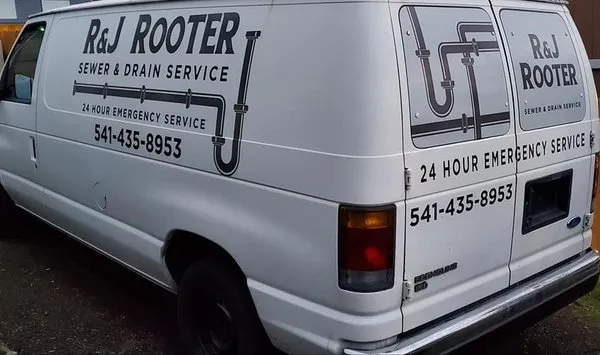
R&J Rooter Sewer & Drain Service is a trusted, locally-owned plumbing and sewer specialist serving Coos Bay and the surrounding South Coast and Umpqua Valley. As a licensed and bonded provider, we are...
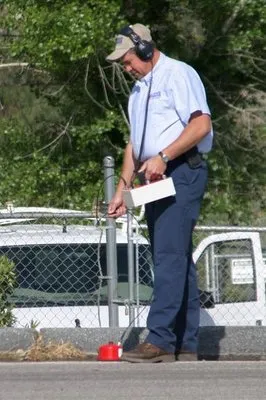
American Leak Detection
American Leak Detection in Medford, OR, specializes in precise, non-invasive solutions for residential and commercial leaks. As the world leader in this field, their expert technicians use advanced el...

Grizzly Plumbing LLC is a family-owned and operated plumbing service proudly serving Ashland and all of Southern Oregon. We provide reliable plumbing solutions for both homes and businesses, drawing o...
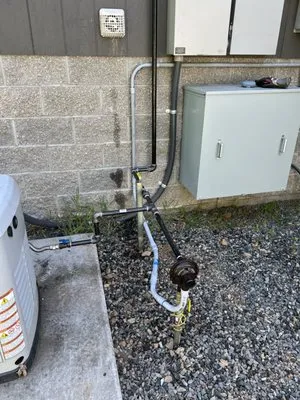
Gas Right Integrity Plumbing
Gas Right Integrity Plumbing is your trusted, local plumbing expert in Grants Pass, OR. We specialize in comprehensive plumbing solutions, from gas line and water pipe installation to water heater and...
Mr. Rooter Plumbing of Josephine & Jackson Counties
For over 50 years, the Mr. Rooter Plumbing of Josephine & Jackson Counties team has been the trusted local plumbing expert for homes and businesses in Grants Pass and the surrounding areas. Independen...
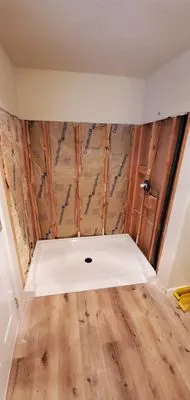
Tank's Plumbing is a trusted, locally owned plumbing service that has been proudly serving White City and all of Southern Oregon for over a decade. Built on a foundation of reliability and community t...

Base One Plumbing
Since 1979, Base One Plumbing has been a trusted family-owned plumbing and general contracting service for Medford, OR. Founded with a commitment to solving everyday plumbing problems, we've grown ove...
Gillispie Plumbing is a trusted, full-service plumbing company serving Eagle Point, OR, and the surrounding Rogue Valley. We are your local experts for everything from routine faucet repairs and toile...

Brooks Plumbing is a family-owned plumbing service based in Medford, OR, established in 2021. We specialize in residential and commercial plumbing repairs, drain cleaning, water heater installation an...
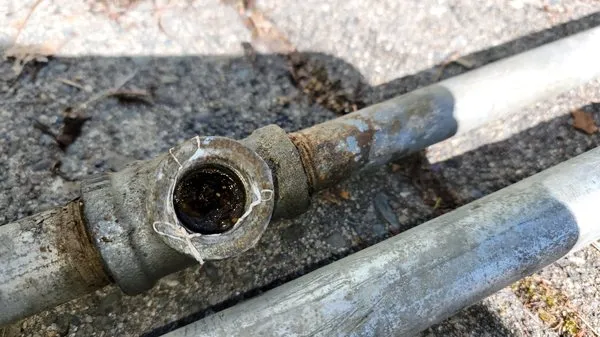
On It Plumbing and Drains serves the Grants Pass community with a focus on resolving urgent plumbing issues and persistent clogs. We specialize in getting water flowing again quickly, offering same-da...
Estimated Plumbing Costs in Williams, OR
FAQs
What causes pinhole leaks in older copper pipes?
Copper pipes from 1985 often develop pinhole leaks due to electrolytic corrosion and scale buildup. The thin gauge copper used then becomes vulnerable where water velocity changes direction. Joint calcification occurs when minerals cement fittings, making them brittle. These failures typically start at elbows and tee connections where turbulence accelerates wear.
Why are my copper pipes suddenly failing in Williams?
Copper plumbing installed around 1985 is now 41 years old. In Williams Valley, homeowners are seeing pinhole leaks and joint calcification as the pipes reach this age. The thin-walled copper used in that era develops micro-fractures from decades of water pressure and mineral interaction. These failures often appear first at elbows and fittings where stress concentrates.
How quickly can a plumber reach my home in Williams Valley?
Heading past Williams Creek on State Route 238, our dispatch route covers most of the valley within 45-60 minutes. The winding road requires careful driving, but we know the shortcuts around seasonal traffic. We prioritize emergencies and communicate our estimated arrival time once we're on the road.
Who handles permits for plumbing work in Josephine County?
Josephine County Building Safety requires permits for most plumbing modifications. As a licensed master plumber certified through the Oregon Building Codes Division, I handle the red tape so you don't have to. This includes submitting plans, scheduling inspections, and ensuring all work meets current code requirements. Proper documentation protects your property value and ensures system safety.
How does hard water from my well damage plumbing fixtures?
Hard water from private wells deposits scale inside water heaters and fixtures. Over time, this mineral buildup reduces water flow, increases pressure on pipes, and causes premature failure of water heater elements. Scale accumulation in faucet cartridges and shower valves leads to stiff handles and inconsistent temperature control. Regular maintenance extends fixture life in Williams' hard water conditions.
How does rural living in Williams affect my septic and well systems?
Rural properties with private wells and septic systems require different maintenance than municipal connections. Well pumps need regular checks for pressure consistency, while septic systems demand careful water usage to avoid overloading. The distance between structures means longer pipe runs that are more vulnerable to freezing and tree root intrusion. Understanding these rural specifics prevents costly emergencies.
Does hilly terrain affect my home's drainage system?
The sloping land around Williams Creek creates drainage challenges for plumbing systems. Downhill water pressure stresses main lines, while uphill sections may experience slow drainage. Soil erosion on hillsides can expose or damage sewer lines. Proper grading around your foundation and regular drain line inspections prevent backups and structural issues common in this terrain.
What should I do before spring thaw to prevent plumbing problems?
Before temperatures drop to 31°F during spring thaw nights, insulate exposed pipes in crawl spaces and disconnect garden hoses. Drain irrigation systems completely to prevent freeze damage. Check your well house insulation and consider installing heat tape on vulnerable lines. These steps protect pipes during the temperature swings common in our temperate climate.
