Top Emergency Plumbers in Turner, OR, 97392 | Compare & Call

There are 100 plumbing companies server in Turner OR
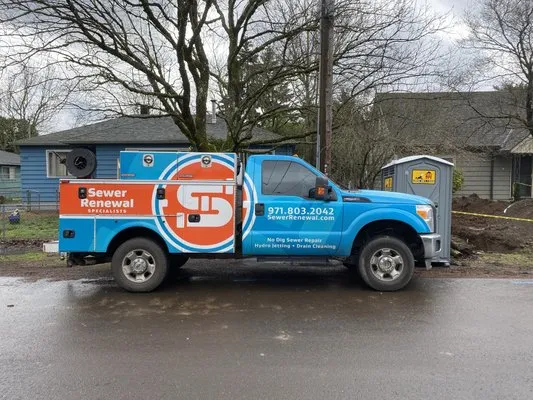
Sewer Renewal Specialists
Sewer Renewal Specialists is a trusted plumbing and sewer service provider serving Portland, OR. With over 15 years of local experience, we understand the unique plumbing challenges faced by Portland ...
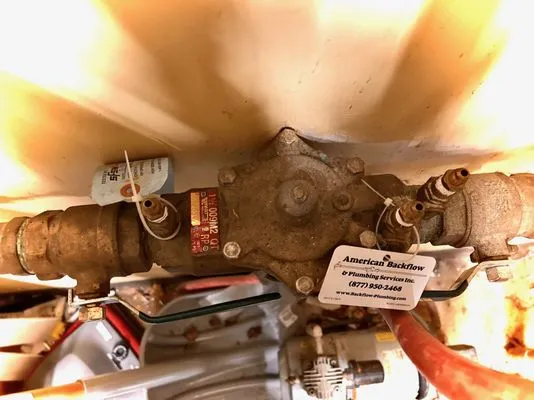
Founded in 1995 by brothers Tony and Brian Johnston, American Backflow and Plumbing Services began as a two-man operation working out of a Portland garage. Driven by a commitment to the 'golden rule'—...
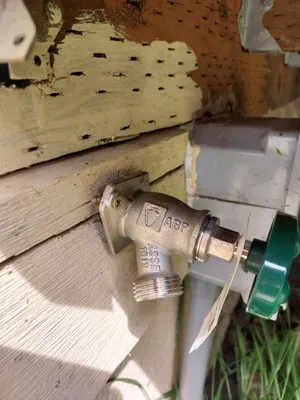
Always Affordable Plumbing is a trusted local plumbing company serving Portland, OR, dedicated to providing reliable and cost-effective solutions for homeowners. We specialize in addressing the unique...

Anytime Plumbing & Drain Cleaning Service is your locally owned, woman-operated plumbing contractor serving Portland, Oregon, and Vancouver, Washington. We provide a comprehensive range of honest, tra...

Original Shower Pan Man is a trusted Portland plumbing specialist serving homeowners throughout the metro area. We provide comprehensive plumbing solutions including bathtub, shower, and toilet instal...
One Plus Maintenance Service is a trusted Portland home maintenance provider with over 15 years of experience serving local homeowners and businesses. We specialize in comprehensive repair and install...

Air Stars Heating, AC, Plumbing & Electrical
Air Stars Heating, AC, Plumbing & Electrical, serving Keizer and the Willamette Valley, is a home services company built on a foundation of local expertise and a commitment to customer experience. Fou...
Roth Home
For over 45 years, Roth Home has been a trusted name for Aurora homeowners needing reliable heating, cooling, plumbing, electrical, and drain services. Founded in 1976, this local company built its re...
Repipe Specialists in Portland, OR is a licensed plumbing contractor that has been serving the local community since 1991. With over 60,000 repipes completed, they specialize in whole home repiping se...

Cherry City Plumbing is a licensed and bonded, women-owned plumbing and excavation contractor serving the Salem metro area and Willamette Valley. With over 30 years of dedicated local service, we prov...
Estimated Plumbing Costs in Turner, OR
Frequently Asked Questions
Does our soft water from the Santiam River damage my water heater?
Soft water prevents scale buildup, but it increases the rate of galvanic corrosion inside the tank. The anode rod, which is designed to sacrifice itself, will deplete faster here than in areas with hard water. We recommend checking and replacing the anode rod every 3-5 years to extend your water heater's lifespan significantly.
Do I need a permit to replace my water heater in Marion County?
Yes, Marion County Building Inspection requires a permit for water heater replacement, governed by Oregon Building Codes Division standards. I handle that red tape for you, including scheduling the required inspection. This ensures the installation meets current seismic and pressure safety codes, which is crucial for both insurance and home resale.
Why am I getting so many plumbing problems in my Turner house built in 2003?
Your copper plumbing is now 23 years old. In Turner City Center, that's the age when original fixtures start to wear out and the initial soldered joints can develop fatigue. Homeowners often see cartridge failures in shower valves or small, persistent leaks under sinks that weren't present five years ago. This isn't a systemic failure, but a predictable maintenance phase for homes from that era.
How quickly can a plumber get to my house in Turner for an emergency?
From our shop, heading past Enchanted Forest on I-5 provides the fastest route into most Turner neighborhoods. That corridor lets us bypass local traffic, keeping a typical response window to 20-30 minutes for urgent calls. We plan dispatch around that main artery to ensure reliable arrival times.
My main sewer line is backing up. Is this a city problem or mine?
In Turner's suburban setting, you are responsible for the lateral line from your house to the connection at the street. Tree roots seeking moisture are a frequent culprit for blockages in that private section. Municipal pressure issues are rare here; a backup typically indicates a root intrusion or collapse in your portion of the line.
Could the flat land around here be causing my slow drains?
Plain terrain means drainage systems rely on precise pitch. Over years, soil settlement around foundations, especially in newer developments, can create a low spot or reverse slope in your main sewer lateral. This allows waste and sediment to collect instead of flowing freely to the municipal main, leading to recurrent clogs.
What's the most important thing to do to prevent frozen pipes in Turner's winter?
Our winter lows around 34°F mean a hard freeze is brief but possible. The pro-tip is to disconnect and drain your garden hoses before the first cold snap. An overlooked hose bib is the most common point of failure, as trapped water freezes and splits the pipe inside the wall, causing damage you won't see until spring.
What causes those tiny pinhole leaks in my copper pipes?
Copper pipe installed around 2003 can develop pinhole leaks due to a combination of age and minor electrolytic corrosion. Over two decades, microscopic imperfections in the pipe wall or solder joints can be worn thin by our soft water's specific chemistry. The leak often starts as a small, dark spot or a faint mineral stain before it weeps.
