Top Emergency Plumbers in Terrebonne, OR, 97760 | Compare & Call

There are 44 plumbing companies server in Terrebonne OR

Faherty's Plumbing & Construction
Faherty's Plumbing & Construction is a family-owned and operated business proudly serving Redmond and the wider Central Oregon community. As a licensed provider, we specialize in both residential and ...
Severson Plumbing Heating & AC
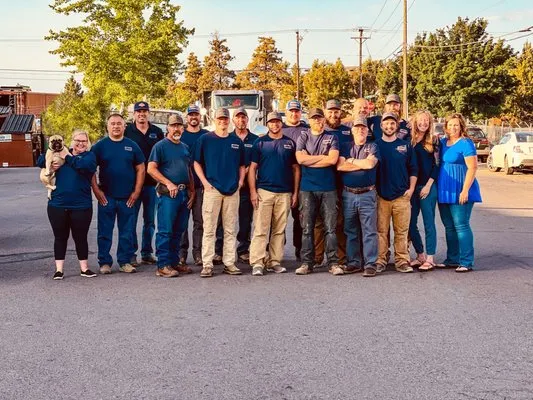
Severson Plumbing Heating & AC is a family-owned plumbing and HVAC service provider that has been serving Central Oregon since 1977. Founded by Dave and Elaine Severson with a family-first approach, t...
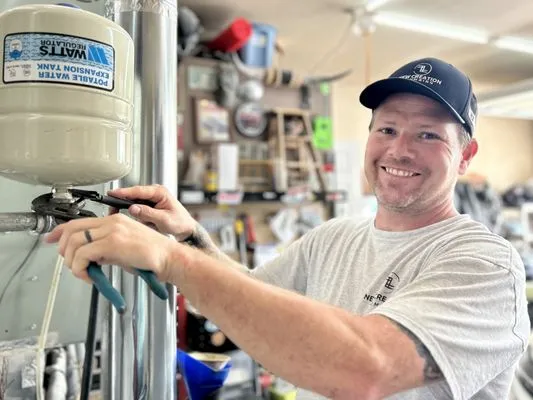
New Creation Plumbing, LLC is a trusted plumbing service provider serving Central Oregon, including Redmond, with honesty and integrity. We specialize in both residential and commercial plumbing, offe...

Bjork & Sons Plumbing is a family-owned plumbing service based in Bend, OR, with years of experience serving both residential and commercial clients. We specialize in a wide range of plumbing services...

Deschutes Plumbing
Deschutes Plumbing is a veteran-owned, family-operated plumbing contractor that has served Central Oregon since 1996. With over 30 years of industry experience, our team of Journeymen Plumbers is skil...
Mr. Rooter Plumbing of Central Oregon
Mr. Rooter Plumbing of Central Oregon brings over 50 years of trusted plumbing expertise to Bend and surrounding communities. As a locally owned and operated franchise, we combine the reliability of a...

Founded in 2016 by John and Melissa, Bend Propane brings over 20 years of combined LPG industry experience directly to the residents and businesses of Central Oregon. As a licensed propane and natural...
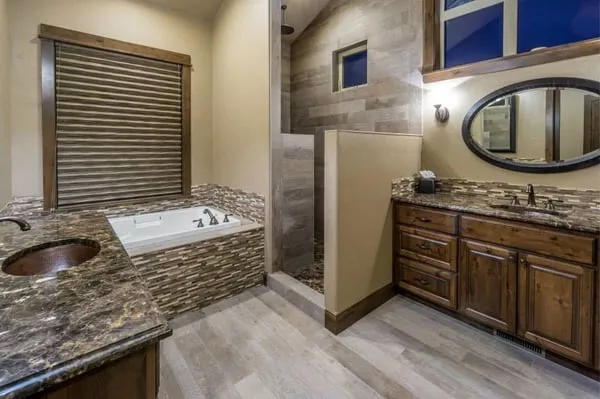
Bryan Young Plumbing is a licensed plumbing service in Bend, OR, with over 20 years of experience specializing in new construction, remodels, and home plumbing repairs. We provide comprehensive plumbi...

Roth Home
Roth Home in Sisters, Oregon, is a trusted local provider of comprehensive home services, specializing in HVAC, plumbing, and electrical solutions. With roots dating back to 1976 when Don Roth founded...

Firkus Plumbing Heating & Repairs
Firkus Plumbing, Heating & Repairs is a trusted family-owned business that has been serving the Bend and Central Oregon community since 1971. With decades of hands-on experience, we specialize in a fu...
Estimated Plumbing Costs in Terrebonne, OR
Frequently Asked Questions
Does Deschutes River water damage my plumbing fixtures?
Hard water from the Deschutes River causes scale buildup that reduces water heater efficiency by 20-30% over five years. Minerals accumulate on heating elements and inside tank walls, forcing your system to work harder. Fixtures develop reduced flow as aerators clog with calcium deposits, and showerheads lose pressure gradually rather than suddenly.
How quickly can a plumber reach my home in Terrebonne?
Heading past Smith Rock State Park on US-97 gets me into your neighborhood within 45-60 minutes. That route keeps me on the main artery while avoiding backroad delays. I plan my dispatch to account for traffic patterns around the state park during peak seasons.
My copper pipes are about 24 years old - what should I watch for in Terrebonne?
Copper pipes installed around 2002 are now 24 years old. Homeowners in Terrebonne Town Center often notice pinhole leaks appearing in hot water lines first. This happens because the protective oxide layer inside the pipe wears thin over decades. You might see small green stains around fittings or hear dripping inside walls before any visible water damage occurs.
Who handles permits for plumbing work in Deschutes County?
I coordinate directly with Deschutes County Building Safety Division and follow Oregon Building Codes Division requirements. Permits for water heater replacements, sewer line repairs, and fixture installations all have specific documentation needs. Handling this red tape ensures your project meets current codes without creating headaches during future property transfers.
What plumbing issues are unique to rural Terrebonne homes?
Rural properties here typically have septic systems and wells rather than municipal connections. Septic tank baffles need inspection every three years to prevent solids from reaching the drain field. Well pressure tanks lose their air charge over time, causing short cycling that wears out pumps prematurely. These systems require different maintenance than city-connected plumbing.
How does the hilly terrain around Smith Rock affect my drainage?
Slopes around Smith Rock State Park create hydraulic pressure on main sewer lines running downhill. That constant stress can cause joint separation over time, especially where pipes transition between different grades. Soil movement during freeze-thaw cycles compounds this, making annual camera inspections valuable for catching small separations before they become backups.
What spring plumbing maintenance makes sense for Terrebonne's climate?
With lows hitting 24°F and spring thaw creating pressure surges, check your main shutoff valve every March. Valves that haven't been exercised since installation can seize during temperature swings. Turn yours off and on twice to ensure it operates smoothly before you need it during an emergency.
Why do my 2002-era copper pipes keep developing leaks?
Copper pipes from that installation period often develop pinhole leaks due to micro-thinning of the pipe walls. Water chemistry interacting with the copper over 24 years creates localized corrosion points. These typically appear first at joints or where pipes rub against framing, and they're more common in hot water lines where thermal expansion stresses the metal.
