Top Emergency Plumbers in Tangent, OR, 97389 | Compare & Call

There are 71 plumbing companies server in Tangent OR

Air Stars Heating, AC, Plumbing & Electrical
Air Stars Heating, AC, Plumbing & Electrical, serving Keizer and the Willamette Valley, is a home services company built on a foundation of local expertise and a commitment to customer experience. Fou...

Roth Home
For over 45 years, Roth Home has been a trusted name for Aurora homeowners needing reliable heating, cooling, plumbing, electrical, and drain services. Founded in 1976, this local company built its re...
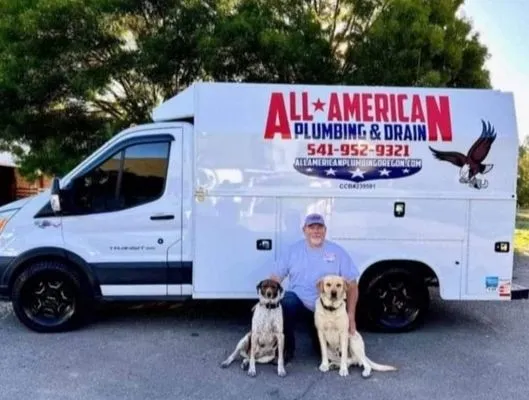
All American Plumbing and Drain is a locally owned and operated plumbing service in Junction City, Oregon, founded by a Journeyman Plumber with over 22 years of experience. We specialize in comprehens...

Hajek Heating & Cooling
Hajek Heating & Cooling is a locally-owned Salem business built on the foundation of honest, accessible service. Owner Brandan Hajek began his career as a New Construction Apprentice, gaining extensiv...
Vanguard Plumbing is a veteran-owned, licensed plumbing contractor serving Portland, OR, and the greater Metro area. With over a decade in the home improvement industry, the founder recognized the nee...

Evergreen Plumbing & Mechanical is a family-owned Salem plumbing company founded by Marv Colby in 2010. What began as a way to support his family during a tough economy has grown into a trusted local ...
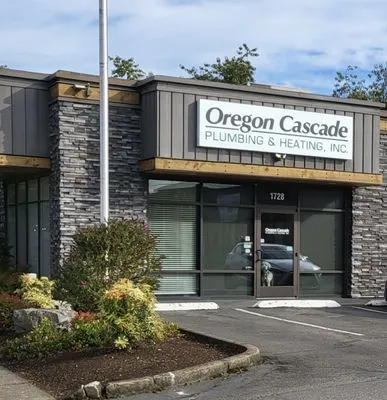
Oregon Cascade Plumbing & Heating
Oregon Cascade Plumbing & Heating has been a trusted name in Salem and the wider Willamette Valley since 1969. As a family-owned mechanical contracting company, we provide comprehensive plumbing and H...
Hoyt Family Plumbing is a family-owned and operated plumbing business serving Albany, OR, established in 2022 with over 20 years of experience. Led by Gabe Hoyt, we provide reliable plumbing services ...

E Z Flow Plumbing is a licensed and bonded plumbing service provider serving Salem, OR and the surrounding Willamette Valley. We specialize in a comprehensive range of plumbing services, including rep...

Top Tier Plumbing is a Salem-based plumbing service founded by a third-generation Oregon plumber who grew up learning the trade from his father. With deep roots in the community, this local business f...
Estimated Plumbing Costs in Tangent, OR
Common Questions
Are there special plumbing considerations for rural properties near Tangent?
Rural properties around Tangent typically have private wells and septic systems rather than municipal connections. Well pumps require regular pressure tank maintenance and occasional jetting to remove sediment from the Santiam aquifer. Septic fields need inspection every 3-5 years in our soil conditions. Water softeners are less critical here since well water already has low mineral content, but whole-house filtration becomes more important for sediment control.
What's the most important winter plumbing tip for Tangent's climate?
When temperatures approach 35°F during winter freeze peaks, disconnect and drain outdoor hoses immediately. Our temperate climate creates a false sense of security, but overnight dips can freeze pipes in uninsulated crawlspaces. Keep cabinet doors open under sinks to allow warm air circulation against exterior walls. For vacation homes, maintain heat at 55°F minimum rather than turning it completely off during winter months.
My house in Tangent was built around 1994 - should I be worried about my plumbing?
Copper pipes installed in 1994 are now 32 years old. In Tangent City Center, homeowners are seeing increased frequency of pinhole leaks and joint calcification. This happens as the protective oxide layer wears thin from decades of water flow. At this age, copper becomes more susceptible to corrosion from our soft water chemistry. Regular inspections of exposed pipes in basements and crawlspaces can catch issues before they become emergencies.
Could the flat land around Tangent Community Park cause drainage problems?
Plain terrain around Tangent Community Park creates minimal natural slope for drainage, putting constant hydrostatic pressure on main sewer lines. Soil compaction from decades of settlement can cause slight sagging in underground pipes. This flat topography requires precise grading around foundation drains to prevent water pooling. Main lines experience more stress during heavy rains because water has nowhere to run off naturally, potentially overwhelming older drainage systems.
What's happening with my 1990s copper pipes that causes sudden leaks?
Copper pipes from 1994 often develop pinhole leaks due to micro-corrosion that accelerates around the 30-year mark. The soft water in Tangent lacks minerals that would create protective scale, allowing water chemistry to gradually thin pipe walls. Joint calcification occurs where solder connections meet dissimilar metals without proper dielectric unions. These failures typically manifest first at elbows and tees where water turbulence is greatest.
How quickly can a plumber reach my home in Tangent during an emergency?
Heading past Tangent Community Park on US-99E, most dispatch routes from Tangent City Center take 20-30 minutes. The straight shot on 99E connects directly to residential areas without complicated detours. This routing avoids backroad congestion while maintaining access to main arterial roads. Response times remain consistent because the highway infrastructure supports efficient travel throughout our service area.
Does water from the Santiam River affect my home's plumbing system?
Santiam River water reaches Tangent homes as treated municipal supply with very low mineral content. This soft water accelerates corrosion in water heaters by allowing direct contact between copper elements and tank steel. Fixtures develop faster wear patterns because there's no protective scale buildup. Water heaters in our area typically need anode rod replacement every 3-4 years instead of the standard 5-6 due to this accelerated corrosion.
Who handles permits and inspections for plumbing work in Linn County?
Linn County Building Division oversees local permits while Oregon Building Codes Division sets statewide standards. I file all necessary paperwork with both agencies and schedule required inspections. Recent code updates address earthquake bracing for water heaters and backflow prevention for irrigation systems. Handling this red tape ensures work meets current Oregon specialty code requirements without homeowners navigating bureaucratic processes themselves.
