Top Emergency Plumbers in Svensen, OR, 97103 | Compare & Call

There are 239 plumbing companies server in Svensen OR
My name is Ti Sutherland, and I've been a professional plumber since 1993, building on a lifetime in the building trades. I earned my Oregon and Washington journeyman's license after moving here in 19...
For the past 14 years, I've been proud to serve Portland as a licensed plumber, having called this beautiful state home for 34 years. My journey here with my family, including my wife and daughter, cu...
Imagine Plumbing is a locally-owned and operated service born from a lifelong immersion in the trade. Founded in 2021 by a plumber with a decade of professional experience, the business is built on a ...
Blue Crow Plumbing is a locally-owned plumbing service in Portland, Oregon, founded by a journeyman plumber with over 18 years of experience. Growing up in SE Portland near natural water sources like ...
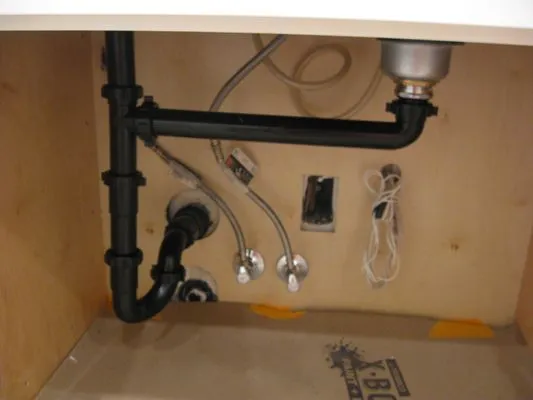
Charlie Hall Plumbing has been a trusted fixture in Portland, Oregon, since 1997. As a fully licensed service provider, we handle a comprehensive range of plumbing needs with a team of journeyman plum...
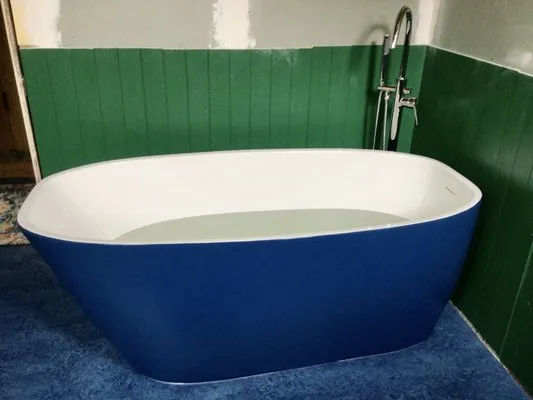
I'm a licensed journeyman plumber serving Portland and the surrounding areas, holding contractor licenses in both Oregon and Washington. Since 2016, I've been dedicated to helping homeowners, property...
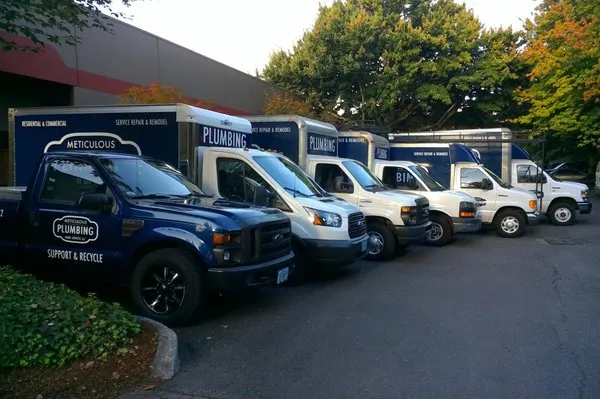
Meticulous Plumbing
Meticulous Plumbing is a family-owned, Portland-based company with over three decades of trusted service. Founded on a passion for both the craft and our community, we pride ourselves on building long...
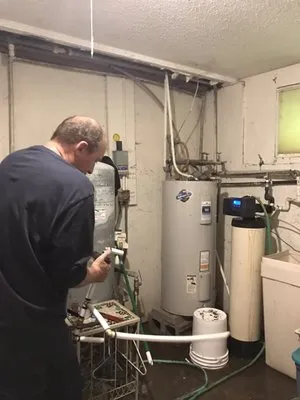
John D Plumbing is a locally-owned, licensed plumbing service dedicated to serving the Portland community. Known for straightforward pricing and prompt, efficient service, we believe in clear communic...
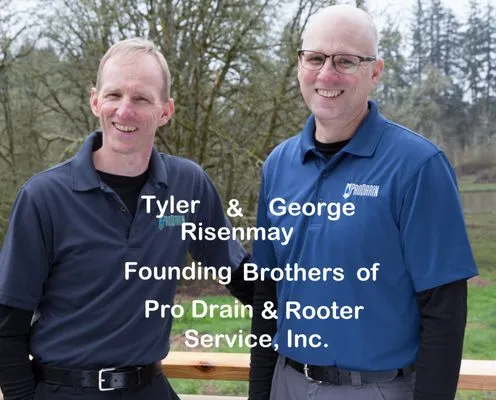
Pro Drain & Rooter Service is a trusted, family-owned plumbing company serving Beaverton and the greater Portland Metro area since 1995. What began with a single technician in a bright green van focus...

All Pro Plumbing Services
All Pro Plumbing Services is a family-owned plumbing contractor serving the Greater Portland Metro area, including Hillsboro, with over 20 years of experience. We provide comprehensive plumbing servic...
Estimated Plumbing Costs in Svensen, OR
Common Questions
How does rural living affect my septic and well system?
Rural Svensen properties rely on private wells and septic systems rather than municipal services. Well pumps need regular maintenance since there's no city water backup. Septic systems require pumping every 3-5 years depending on household size, and drain fields can fail if overloaded with grease or non-biodegradable materials. Unlike urban homes with consistent water pressure, well systems experience pressure fluctuations that stress pipes and fixtures over time.
How quickly can a plumber reach Svensen during an emergency?
Heading past John Day River on US-30, I can typically reach Svensen homes within 45-60 minutes for urgent calls. The route follows the river valley then connects to local roads, avoiding the need for circuitous backroads. I keep a stocked service truck ready for common Svensen issues like pipe bursts or water heater failures. That preparation means I arrive with the right tools and parts to start work immediately.
Why are so many Svensen homes having plumbing problems lately?
Copper plumbing installed around 1980 is now 46 years old. Homeowners in Svensen-John Day are seeing pinhole leaks, joint calcification, and reduced water pressure as the pipes reach the end of their typical 40-50 year lifespan. The copper has been through thousands of thermal cycles and decades of water flow, causing natural wear that's now becoming apparent. This isn't a defect—it's just what happens to plumbing systems after nearly five decades of service.
Why does my yard drain poorly near the John Day River?
Coastal slopes around Svensen-John Day create natural drainage challenges. Water follows gravity toward the river, which can overload French drains or cause soil erosion around your main sewer line. The clay-heavy soils common here expand when wet, putting lateral stress on buried pipes. Over years, this movement can crack joints or misalign connections. Proper grading away from your foundation and regular drain line inspections prevent most terrain-related plumbing issues.
Who handles permits for plumbing work in Clatsop County?
Clatsop County Building Codes Division oversees local permits while following Oregon Building Codes Division standards. I handle the red tape so you don't have to—filing paperwork, scheduling inspections, and ensuring all work meets current code requirements. Recent updates to Oregon plumbing code affect everything from water heater installations to pipe material specifications. Working with a licensed plumber means your project complies with both county and state regulations from start to finish.
Does well water damage plumbing fixtures faster?
Private wells in Svensen often draw from acidic, corrosive aquifers common in our coastal geology. This water gradually eats away at water heater elements, faucet valves, and toilet fill mechanisms. You might notice blue-green stains on fixtures or premature failure of appliances. Installing a whole-house neutralizer or using dielectric unions between dissimilar metals can extend your system's life. Without treatment, expect to replace water heaters every 8-10 years instead of the typical 12-15.
What causes those tiny leaks in older copper pipes?
Pinhole leaks in 1980s copper plumbing often result from galvanic corrosion where dissimilar metals meet, or from erosion-corrosion in high-flow areas. After 46 years, the protective oxide layer inside copper pipes can break down, allowing acidic water to attack the metal directly. You'll typically find these leaks first at joints, elbows, or anywhere water velocity changes direction. The problem accelerates once the initial pinhole forms, as escaping water creates additional corrosion points.
What should I do before winter storms hit Svensen?
When temperatures drop to 36°F during our winter storm season, unprotected pipes in crawl spaces or exterior walls can freeze within hours. Drain and disconnect outdoor hoses, then insulate exposed pipes with foam sleeves. Keep cabinet doors open to allow warm air to circulate around plumbing during cold snaps. If you're leaving for more than a day during winter, set your thermostat no lower than 55°F and consider shutting off your main valve while draining the system.
