Top Emergency Plumbers in Silverton, OR, 97381 | Compare & Call

There are 142 plumbing companies server in Silverton OR
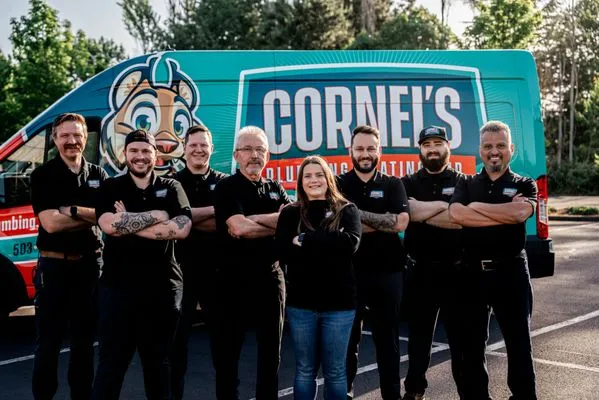
Cornel's Plumbing, Heating & Air Conditioning
Cornel's Plumbing, Heating & Air Conditioning is a family-run business serving Beaverton for over 30 years. Our journey began in Romania, where Cornel himself started out with just a bicycle to carry ...
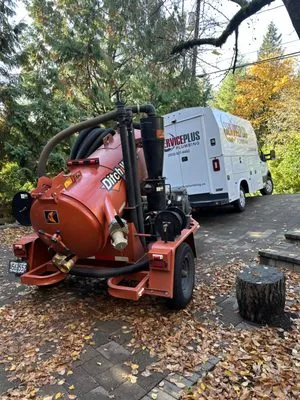
Service Plus Plumbing
At Service Plus Plumbing, we know plumbing emergencies are stressful for Portland homeowners. As your locally owned and licensed contractor, we're committed to easing that stress with reliable, expert...
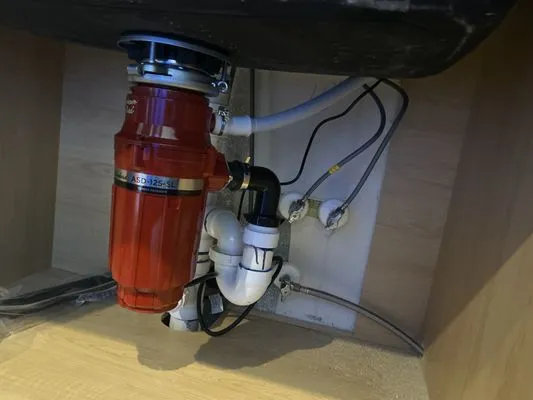
5 Daughters Plumbing is a veteran-owned, licensed plumbing service serving Troutdale, OR and the Greater Portland area. We provide comprehensive plumbing solutions for both residential and commercial ...
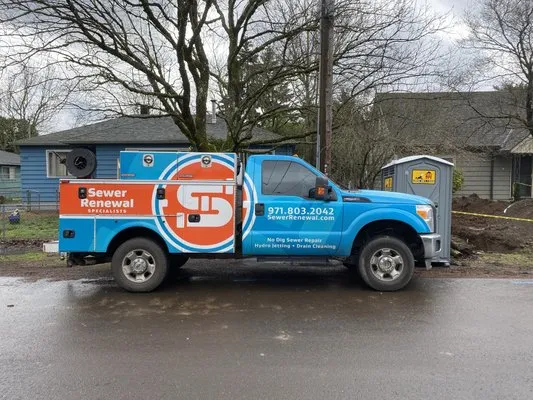
Sewer Renewal Specialists
Sewer Renewal Specialists is a trusted plumbing and sewer service provider serving Portland, OR. With over 15 years of local experience, we understand the unique plumbing challenges faced by Portland ...
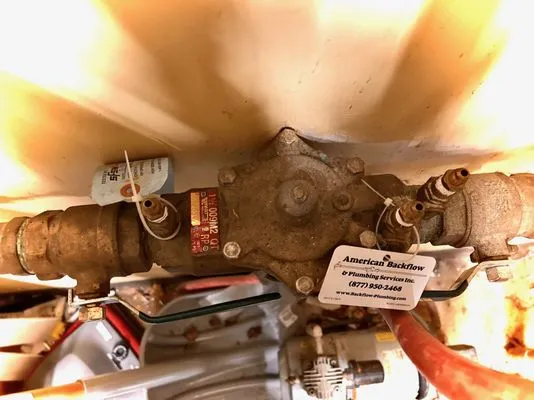
Founded in 1995 by brothers Tony and Brian Johnston, American Backflow and Plumbing Services began as a two-man operation working out of a Portland garage. Driven by a commitment to the 'golden rule'—...
D&F Plumbing, Heating and Cooling
For nearly a century, D&F Plumbing, Heating and Cooling has been the trusted name for Portland homes and businesses. Since 1927, we've built our expertise on the unique challenges of the Pacific North...
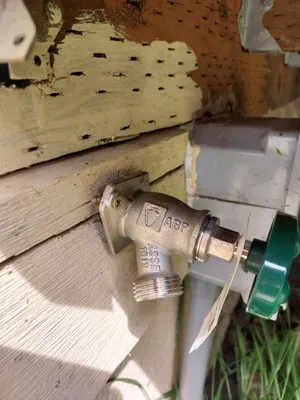
Always Affordable Plumbing is a trusted local plumbing company serving Portland, OR, dedicated to providing reliable and cost-effective solutions for homeowners. We specialize in addressing the unique...
Anytime Plumbing & Drain Cleaning Service is your locally owned, woman-operated plumbing contractor serving Portland, Oregon, and Vancouver, Washington. We provide a comprehensive range of honest, tra...
Tualatin Valley Plumbing
Tualatin Valley Plumbing is your local, licensed plumbing provider serving Damascus and the surrounding area. Owned and operated by Larry Peters since 2018, we bring reliable, transparent service to e...

Original Shower Pan Man is a trusted Portland plumbing specialist serving homeowners throughout the metro area. We provide comprehensive plumbing solutions including bathtub, shower, and toilet instal...
Estimated Plumbing Costs in Silverton, OR
Questions and Answers
What permits do I need for plumbing work in Silverton, and who handles the paperwork?
Most plumbing projects require permits from the City of Silverton Building Department, following Oregon Building Codes Division standards. As a licensed master plumber, I handle all permit applications, inspections, and documentation. This includes everything from water heater replacements to full bathroom remodels. The red tape involves demonstrating compliance with current codes for safety and efficiency. Homeowners don't need to navigate this process—proper documentation protects your investment and ensures work meets legal requirements.
Why do my copper pipes from 1981 keep developing small leaks?
Copper pipes from that era often develop pinhole leaks due to a combination of age and water chemistry. After 45 years, the protective oxide layer inside the pipe breaks down, allowing localized corrosion. In Silverton's soft water, this corrosion can accelerate at joints where dissimilar metals meet without proper dielectric unions. These leaks typically start as tiny drips behind walls before becoming visible, so listening for running water when fixtures are off can help catch them early.
Does Silver Creek's soft water affect my home's plumbing fixtures?
Silver Creek provides naturally soft water, which means it has low mineral content. While this is great for drinking, it increases corrosion rates in water heaters and fixtures because soft water lacks the protective scale that hard water deposits. Water heater anodes deplete faster, typically needing replacement every 3-5 years instead of 5-7. Fixtures may show green corrosion around connections sooner than in hard water areas. Installing a whole-house filter can help balance the water's aggressiveness.
How does Silverton's hilly terrain impact my home's drainage system?
The sloping terrain around Silver Falls State Park extends into residential areas, creating drainage challenges. Downhill properties often experience increased hydrostatic pressure on main sewer lines, which can lead to joint separation over time. Uphill homes may have drainage systems that work too efficiently, causing erosion around foundation drains. Proper grading around your home's perimeter is essential—soil should slope away from the foundation at least 6 inches over 10 feet to prevent water from pooling near the main line.
My home in Silverton Historic District was built around 1981. What should I expect from my plumbing now?
Copper pipes installed in 1981 are now 45 years old. In Silverton's older neighborhoods, homeowners are seeing increased frequency of pinhole leaks, especially at joints and elbows where water turbulence causes erosion. Scale buildup inside pipes reduces water pressure gradually, and you might notice more frequent drips under sinks or around water heaters. This is the typical lifespan for copper in our area, so proactive inspection can prevent larger failures.
How quickly can a plumber reach my home in Silverton if I have an emergency?
Heading past Silver Falls State Park on Oregon Route 214, most local plumbers can reach Silverton addresses within 20-30 minutes during normal hours. That route provides direct access to the Silverton Historic District and surrounding neighborhoods. Dispatch timing depends on traffic patterns, but we prioritize emergencies to minimize water damage. Knowing the backroads helps us maintain reliable response times even during peak tourist seasons.
As a suburban Silverton homeowner, what unique plumbing issues should I watch for?
Suburban properties here face specific challenges with municipal water systems. Water pressure from the city main can fluctuate, stressing older pipe connections and causing leaks at fixtures. Tree roots seek out moisture in lateral lines, especially during dry periods, leading to clogs that require professional clearing. Unlike rural homes with wells, municipal water means you're dealing with standardized pressure that still needs pressure regulators if it exceeds 80 PSI to protect your plumbing system.
What's the most important winter plumbing maintenance for Silverton's climate?
When temperatures drop to 34°F or below, the priority is preventing pipe freezing in unheated spaces. Insulate pipes in crawl spaces and attics, especially on north-facing walls. Keep cabinet doors open to allow warm air to circulate around pipes under sinks. A pro-tip for our temperate climate: don't overlook outdoor spigots—install frost-free hose bibs or use insulated covers. Dripping faucets during hard freezes can prevent pressure buildup that leads to burst pipes.
