Top Emergency Plumbers in Santa Clara, OR, 97404 | Compare & Call

There are 96 plumbing companies server in Santa Clara OR
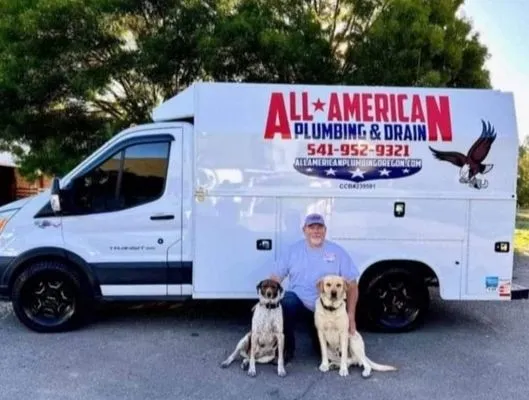
All American Plumbing and Drain is a locally owned and operated plumbing service in Junction City, Oregon, founded by a Journeyman Plumber with over 22 years of experience. We specialize in comprehens...
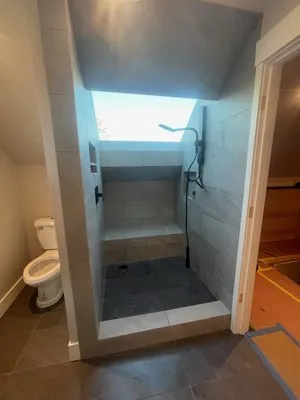
ISO Plumbing & Mechanical is a Salem-based plumbing company serving the Willamette Valley since 2017. Founded as a family business, we've grown to include multiple technicians and staff to provide rel...
D Hart Plumbing
D Hart Plumbing is a Brownsville-based plumbing company with over 20 years of experience serving residential and commercial clients throughout the Willamette Valley. Founded by Darren, who has been a ...

American Leak Detection of Eugene, serving Springfield and the surrounding areas, is a locally owned and operated franchise. Owners Shari and Matthew Botermans have built the business since 2001, comb...

Innovative Plumbing & Mechanical
Innovative Plumbing & Mechanical is your trusted local plumbing expert serving Albany, Oregon, and the surrounding Willamette Valley. We specialize in comprehensive plumbing solutions, from routine re...

Green City Construction and plumbing
Mike Donahue, a lifelong Lane County resident, founded Green City Construction and Plumbing in 2006, bringing over two decades of journeyman plumbing experience to Eugene. What started as a one-man op...
R S Plumbing Contractor is a veteran-owned and operated plumbing business proudly serving Eugene and the surrounding communities for over two decades. With deep roots in the Willamette Valley, we unde...

Pruitt Contracting is a Lebanon-based contractor focused on turning your property into the home you envision. We combine practical knowledge with a commitment to quality, offering services from new co...
Innovative Plumbing And Mechanical is a trusted local plumbing service in Albany, OR, specializing in comprehensive solutions for residential and commercial needs. We offer expert installation, repair...

Based in Lebanon, OR, Duo Water Systems is a locally owned and operated plumbing and water systems company founded by Aden and Christian. With seven years of experience working for a local family busi...
Estimated Plumbing Costs in Santa Clara, OR
FAQs
Who handles permits for a repipe or sewer repair in Lane County?
Lane County Land Management Division issues permits for work outside the foundation, while the Oregon Building Codes Division governs interior plumbing. As a licensed master plumber, I pull all required permits, schedule inspections, and ensure the work meets code. My credential means I manage that red tape so the process is seamless for you.
As a Santa Clara suburb homeowner, what should I know about my main sewer line?
Your lateral line from the house to the city main is your responsibility. In these established neighborhoods, the primary threat is root intrusion from mature trees seeking moisture. Roots can enter at pipe joints, causing slow drains and complete blockages. A video inspection can identify this before it becomes a backup into your home.
What's the one winter task I should do to avoid frozen pipes here?
Disconnect and drain your garden hoses every fall. Our winter lows around 35 degrees seem mild, but a hard overnight freeze can travel up that hose and split the faucet bib or the pipe inside the wall. This single, five-minute task prevents the most common freeze-related leak we see in this temperate climate.
Why are so many Santa Clara homes having plumbing problems now?
Homes built around 1969 are now 57 years old. That lifespan is the breaking point for original galvanized steel water lines. The iron pipes are corroding from the inside out, drastically reducing water pressure and causing widespread rust-colored water. This isn't random; it's a predictable failure point for the neighborhood's infrastructure.
How fast can a plumber get to Santa Clara for an emergency?
From our shop near Delta Ponds, heading past the ponds onto Beltline Highway puts us on the main artery into Santa Clara. Barring unusual traffic, we can typically be on-site in 20 to 30 minutes. We plan routes to avoid the I-5 interchange during peak times to maintain that window for urgent calls.
Could the flat land near Delta Ponds cause drainage or sewer issues?
Yes, the low-lying terrain affects sewer laterals. With minimal slope, waste flow loses velocity, allowing solids to settle and cause blockages. It also means during heavy rain, a high groundwater table can infiltrate older sewer lines, overloading the system. Properly grading soil away from your foundation is critical to keep water from pooling around the main line.
What's the most common plumbing failure in a 1960s Santa Clara home?
Galvanized steel pipe from that era fails in two specific ways. Threaded joints calcify and seize, making any repair a section replacement instead of a simple fix. More critically, pinhole leaks develop where internal rust has eaten through the pipe wall, often hidden inside walls or under slabs. Both issues stem from the material's limited service life.
Does our soft McKenzie River water damage plumbing or appliances?
Soft water is gentle on pipes but aggressive on water heaters. The lack of mineral scale means the anode rod in your tank corrodes faster, sacrificing itself to protect the steel tank. Without annual inspection, the rod can be consumed entirely, leading to rapid tank corrosion and failure. It also increases galvanic corrosion where dissimilar metals connect, like at a water heater's dielectric unions.
