Top Emergency Plumbers in Saint Helens, OR, 97051 | Compare & Call

There are 116 plumbing companies server in Saint Helens OR

Advanced Plumbing has been serving the Portland community since 1971, founded by the McAllister family. Still family-owned and operated today, we believe in treating our team like extended family and ...
Sewer Renewal Specialists
Sewer Renewal Specialists is a trusted plumbing and sewer service provider serving Portland, OR. With over 15 years of local experience, we understand the unique plumbing challenges faced by Portland ...
Founded in 1995 by brothers Tony and Brian Johnston, American Backflow and Plumbing Services began as a two-man operation working out of a Portland garage. Driven by a commitment to the 'golden rule'—...
D&F Plumbing, Heating and Cooling
For nearly a century, D&F Plumbing, Heating and Cooling has been the trusted name for Portland homes and businesses. Since 1927, we've built our expertise on the unique challenges of the Pacific North...

Pilot Plumbing & Drain
Pilot Plumbing & Drain is a family-owned and operated business serving Portland, Vancouver, and surrounding communities since 2015. Founded by Andy Davis, the company was built on a foundation of hand...

Wolcott Services
Since 1978, Wolcott Services has been the trusted, family-owned home service provider for Troutdale and the greater Portland area. We combine decades of local expertise with a comprehensive approach t...
Wolfer's Home Services
Wolfer's Home Services is a trusted Wilsonville plumbing and electrical specialist with deep roots in Oregon. Founded in 1901 as Wolfer's Heating & Air Conditioning in Iowa, the business moved to Oreg...
Northwest Plumbing Services
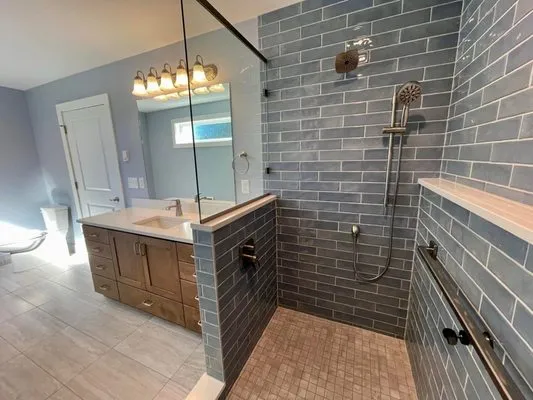
Northwest Plumbing Services has been the trusted plumbing provider for Warren, OR, and surrounding Columbia County communities since 1991. Founded by David Sass, who became Oregon's youngest journeyma...
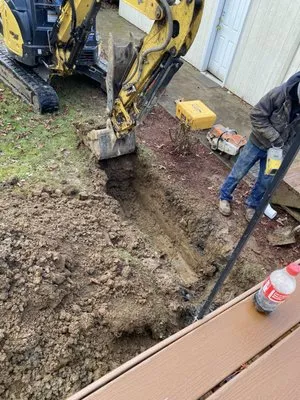
Black Rock Underground, LLC, has been a trusted partner for Hillsboro property owners since 2012. Founded on a commitment to expert service, we bring over 25 years of specialized experience in plannin...

For over 22 years, True Blue Plumbing has been the trusted local choice for Portland homeowners. We specialize in comprehensive plumbing and rooter services, from emergency repairs to full-system inst...
Estimated Plumbing Costs in Saint Helens, OR
Questions and Answers
How quickly can a plumber reach my house in Saint Helens?
Heading past Columbia View Park on US-30 gets me into most Saint Helens neighborhoods within 20-30 minutes. I keep a stocked service van ready for common local issues like frozen pipes or galvanized failures. That route avoids downtown Portland traffic, so I can respond to emergencies during our winter freeze periods when time matters most.
What's the most important winter plumbing tip for Saint Helens?
When temperatures hit 35°F, disconnect and drain outdoor hoses immediately. Our temperate climate means homeowners often forget until the first hard freeze, but that's when pipes burst. Insulate exposed pipes in crawl spaces and garages, and know where your main shutoff valve is. A slow drip from faucets during sustained freezing weather can prevent thousands in repair costs.
Are tree roots a problem for Saint Helens sewer lines?
In our suburban setting, mature tree roots frequently infiltrate sewer laterals seeking moisture. Municipal water pressure remains consistent, but roots can create complete blockages that require hydro-jetting or excavation. I recommend camera inspections every few years if you have large trees near your sewer line. Early detection prevents raw sewage backups into basements during heavy usage periods.
What causes those tiny leaks in older Saint Helens plumbing?
Galvanized steel pipes from the 1960s develop pinhole leaks as internal corrosion eats through the pipe walls. Scale buildup from our Columbia River water accelerates this process, creating weak spots that eventually fail. You'll notice these leaks first at joints and fittings where turbulence causes faster erosion. Once pinholes start appearing, the entire pipe run is compromised and should be replaced.
What permits do I need for a bathroom remodel in Saint Helens?
The Saint Helens Building Department requires permits for any plumbing alterations, and I handle that red tape for clients. My Oregon Building Codes Division certification ensures all work meets current standards for venting, drainage, and water supply. You focus on tile choices while I manage inspections and paperwork. Proper permitting protects your home's value and avoids issues during future sales.
Why are so many Old Town homes having plumbing issues lately?
Galvanized steel pipes installed around 1965 are now 61 years old. At this age, the zinc coating has completely worn away, exposing the underlying steel to corrosion. Homeowners in Old Town are seeing persistent low water pressure, rusty discoloration in their water, and frequent leaks at threaded joints. The pipes have reached their expected lifespan and need replacement before catastrophic failures occur.
Why does my basement drain slowly after heavy rain?
Hilly terrain around Columbia View Park creates drainage challenges. Water runoff from slopes can overwhelm municipal systems and put back-pressure on your main line. The soil composition here also shifts with wet-dry cycles, potentially causing pipe misalignment or joint separation. Proper grading away from your foundation and a backwater valve installation can prevent most basement flooding issues.
Does Columbia River water damage my water heater?
Columbia River water has slightly acidic properties that accelerate corrosion in water heaters and fixtures. Over time, this eats through anode rods in heaters and causes premature tank failure. I recommend annual anode rod inspections and considering a whole-house water treatment system. Without protection, you might replace water heaters every 8-10 years instead of the typical 12-15.
