Top Emergency Plumbers in Mill City, OR, 97360 | Compare & Call

There are 73 plumbing companies server in Mill City OR
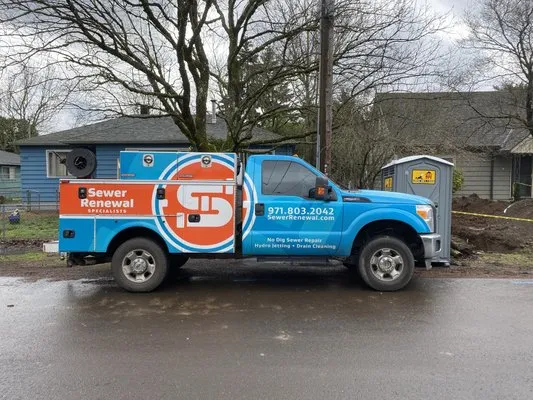
Sewer Renewal Specialists
Sewer Renewal Specialists is a trusted plumbing and sewer service provider serving Portland, OR. With over 15 years of local experience, we understand the unique plumbing challenges faced by Portland ...
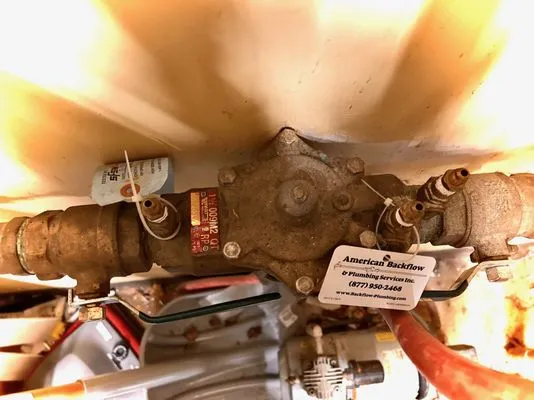
Founded in 1995 by brothers Tony and Brian Johnston, American Backflow and Plumbing Services began as a two-man operation working out of a Portland garage. Driven by a commitment to the 'golden rule'—...
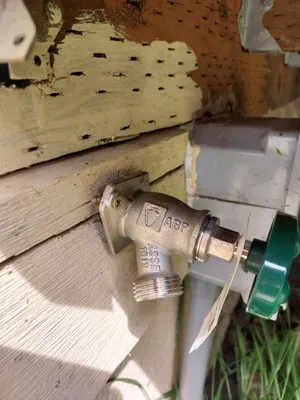
Always Affordable Plumbing is a trusted local plumbing company serving Portland, OR, dedicated to providing reliable and cost-effective solutions for homeowners. We specialize in addressing the unique...
Anytime Plumbing & Drain Cleaning Service is your locally owned, woman-operated plumbing contractor serving Portland, Oregon, and Vancouver, Washington. We provide a comprehensive range of honest, tra...
Original Shower Pan Man is a trusted Portland plumbing specialist serving homeowners throughout the metro area. We provide comprehensive plumbing solutions including bathtub, shower, and toilet instal...
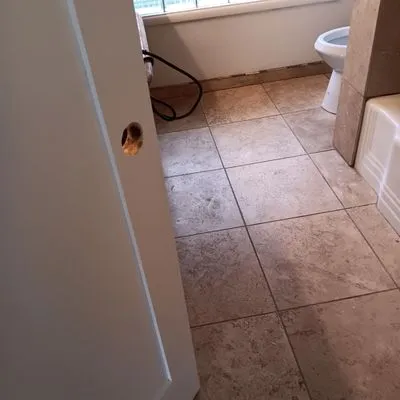
One Plus Maintenance Service is a trusted Portland home maintenance provider with over 15 years of experience serving local homeowners and businesses. We specialize in comprehensive repair and install...

Air Stars Heating, AC, Plumbing & Electrical
Air Stars Heating, AC, Plumbing & Electrical, serving Keizer and the Willamette Valley, is a home services company built on a foundation of local expertise and a commitment to customer experience. Fou...

Roth Home
For over 45 years, Roth Home has been a trusted name for Aurora homeowners needing reliable heating, cooling, plumbing, electrical, and drain services. Founded in 1976, this local company built its re...
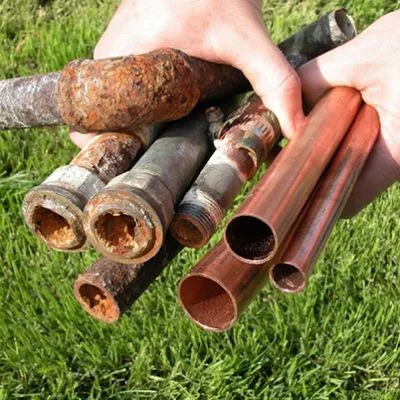
Repipe Specialists in Portland, OR is a licensed plumbing contractor that has been serving the local community since 1991. With over 60,000 repipes completed, they specialize in whole home repiping se...

Cherry City Plumbing is a licensed and bonded, women-owned plumbing and excavation contractor serving the Salem metro area and Willamette Valley. With over 30 years of dedicated local service, we prov...
Estimated Plumbing Costs in Mill City, OR
Q&A
Who handles permits for plumbing work in Linn County?
I coordinate directly with Linn County Building Division for all required permits. Oregon Building Codes Division standards govern installation methods and materials. Having credentials with both agencies means I handle the red tape so homeowners don't have to navigate bureaucracy. Proper permitting ensures work meets current codes and protects your property value.
How long do copper pipes last in Mill City homes?
Copper pipes installed around 1972 are now 54 years old. Homeowners in Mill City Proper are seeing increased frequency of leaks, especially at joints and fittings. The metal has undergone decades of water flow and temperature changes, making it more brittle. This aging infrastructure often requires partial repiping or complete replacement to maintain reliability.
Does soft water from the North Santiam River damage plumbing fixtures?
Soft river water lacks minerals that create protective scale inside pipes, which can accelerate corrosion in copper systems. Water heaters experience more rapid anode rod depletion, requiring replacement every 3-4 years instead of 5-6. Fixtures may show blue-green staining from copper corrosion. Installing a whole-house filter after the pressure tank helps manage sediment while maintaining water quality.
Why are my 1970s copper pipes developing pinhole leaks?
Copper pipes from that era often develop pinhole leaks due to electrolytic corrosion and scale buildup inside the lines. The thin walls of Type M copper, commonly used in 1972 construction, become vulnerable after five decades of service. These leaks typically appear first at joints or where pipes contact dissimilar metals. Regular pressure testing can identify weak spots before they fail completely.
How does hilly terrain affect drainage around Mill City homes?
The slope toward the North Santiam River creates natural drainage challenges. Downhill properties often experience increased hydrostatic pressure on foundation drains and sewer lines. Soil erosion can expose or stress main water lines running along hillsides. Proper grading and French drain systems help redirect runoff away from foundations and plumbing penetrations.
How quickly can a plumber reach my home near the North Santiam River?
Heading past North Santiam River on OR-22, I can typically reach most Mill City Proper addresses within 45-60 minutes. The route follows the river valley before branching into residential areas. Knowing the backroads and seasonal traffic patterns helps optimize response time. Dispatch prioritizes emergencies like burst pipes or no water situations.
What plumbing issues are unique to rural Mill City properties?
Rural homes here typically have well and septic systems rather than municipal connections. Well pumps require regular maintenance and pressure tank adjustments. Septic fields need proper grading to function effectively on sloped terrain. Water quality testing becomes essential since there's no municipal treatment. Backup generators for well pumps are recommended during winter power outages.
What's the best way to prevent frozen pipes during Mill City winters?
When temperatures approach 34°F, open cabinet doors to let warm air circulate around pipes. Insulate exposed lines in crawl spaces and attics, focusing on north-facing walls. Keep a steady drip at faucets during hard freezes to maintain water movement. Drain and disconnect outdoor hoses before the first freeze to prevent backflow into interior lines.
