Top Emergency Plumbers in Glide, OR, 97443 | Compare & Call

There are 68 plumbing companies server in Glide OR
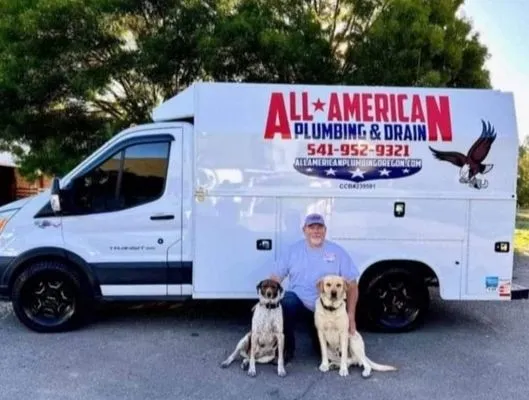
All American Plumbing and Drain is a locally owned and operated plumbing service in Junction City, Oregon, founded by a Journeyman Plumber with over 22 years of experience. We specialize in comprehens...

Pruitt Contracting is a Lebanon-based contractor focused on turning your property into the home you envision. We combine practical knowledge with a commitment to quality, offering services from new co...

Based in Lebanon, OR, Duo Water Systems is a locally owned and operated plumbing and water systems company founded by Aden and Christian. With seven years of experience working for a local family busi...

Oregon Custom Plumbing
Oregon Custom Plumbing is a trusted, locally-owned plumbing service serving Eugene and the surrounding communities. For over 15 years, we've built our reputation on reliable workmanship and clear comm...
Action Drain in Eugene, OR is a locally owned plumbing service with deep roots in the community. Founded in the 1980s, the business has seen consistent growth while maintaining its commitment to integ...
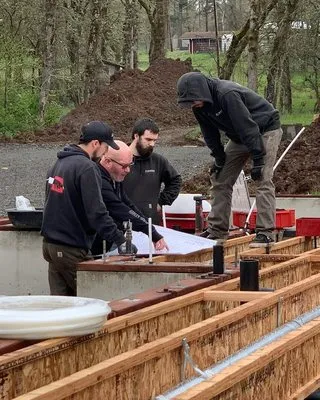
Baxter Plumbing & Rooter
Baxter Plumbing & Rooter, Inc. is a full-service plumbing, sewer, and drain cleaning company serving Eugene, Oregon, and surrounding areas. As a licensed, bonded, and insured plumbing company, we empl...
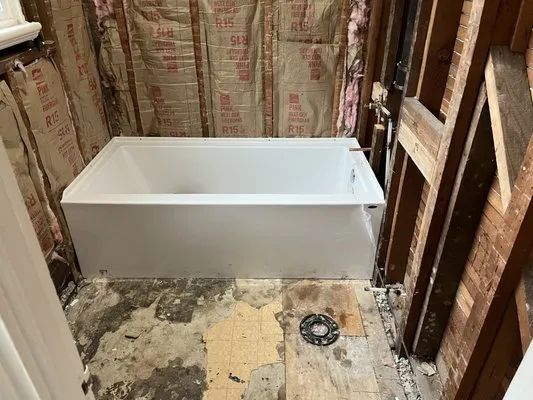
Anderson Plumbing and Remodeling is a trusted local contractor serving Eugene, OR, specializing in comprehensive plumbing and remodeling solutions. We help homeowners address common local plumbing iss...
Precision Plumbing is a licensed and bonded plumbing service proudly serving Eugene and Springfield. We go beyond being just another plumbing company, focusing on building lasting relationships with o...

A.R.M. Plumbing is a veteran-owned, full-service plumbing company proudly serving Roseburg and Douglas County. Owner Arnold Myrick, an Oregon-licensed Journeyman Plumber with over two decades of exper...

Tom's Plumbing Service has been a trusted fixture in Eugene and Springfield since 2001. Owner Tom, a second-generation plumber with over 50 years of experience, brings a family tradition of craftsmans...
Estimated Plumbing Costs in Glide, OR
Question Answers
Does soft North Umpqua River water damage plumbing?
Soft water with low mineral content is corrosive to water heater tanks and brass fixtures. Without scale buildup for protection, the water gradually eats at metal surfaces. Water heaters here typically need anode rod replacement every 3-4 years instead of the standard 5-6. Fixture washers and valves also wear faster in these conditions.
Why are my 1970s copper pipes developing leaks?
Copper pipes from 1978 often fail at solder joints due to galvanic corrosion. The solder contains different metals that react with the copper over decades. You'll notice greenish-blue stains around joints or small drips that worsen with pressure changes. This joint failure is more common than pipe wall failure in Glide's water conditions.
How long do copper pipes last in Glide homes?
Copper plumbing installed around 1978 is now 48 years old. Homeowners in Glide Center are seeing pinhole leaks and joint calcification as the pipes reach this age. The thin-wall copper common in that era has worn thin from decades of water flow. These failures typically start in elbows and joints where water turbulence accelerates wear.
What's the best way to prevent frozen pipes in Glide winters?
Insulate pipes in crawl spaces and along north-facing walls before temperatures hit 34°F. Let faucets drip during hard freezes, especially on homes built into hillsides where cold air settles. Drain and shut off outdoor spigots by late November. These temperate winters still bring enough freeze cycles to split unprotected pipes.
Are there special plumbing considerations for rural Glide properties?
Rural homes here typically have well systems and septic tanks. Well pumps need regular pressure tank maintenance, and septic systems require careful water usage management. Unlike municipal systems, private wells have no backup during power outages. Septic field placement must account for the hilly terrain and soil drainage patterns.
How does Glide's hilly terrain affect my plumbing?
Hills around Colliding Rivers Nature Park create drainage challenges and stress on main lines. Downslope homes get higher water pressure that wears out valves and connections faster. Upslope properties often need booster pumps. Soil movement on slopes can shift pipe alignment over time, causing stress fractures at connections.
How quickly can a plumber reach my home in Glide?
Heading past Colliding Rivers Nature Park on Highway 138, most service calls take 45-60 minutes from dispatch. That route covers the main residential areas along the North Umpqua. Local plumbers know the seasonal traffic patterns and alternate routes when Highway 138 has delays.
Who handles permits for plumbing work in Douglas County?
I file all required permits with the Douglas County Building Department and ensure compliance with Oregon Building Codes Division standards. This includes septic modifications, well system upgrades, and structural plumbing changes. Handling this red tape means your project meets code without you navigating bureaucratic paperwork.
