Top Emergency Plumbers in Foots Creek, OR, 97525 | Compare & Call

There are 46 plumbing companies server in Foots Creek OR
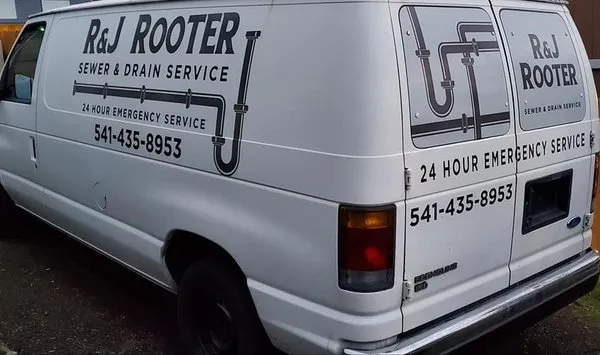
R&J Rooter Sewer & Drain Service is a trusted, locally-owned plumbing and sewer specialist serving Coos Bay and the surrounding South Coast and Umpqua Valley. As a licensed and bonded provider, we are...
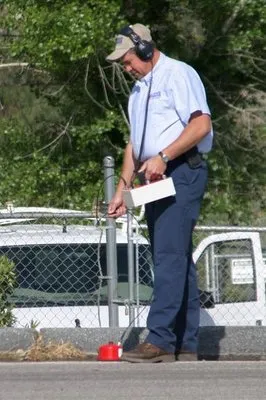
American Leak Detection
American Leak Detection in Medford, OR, specializes in precise, non-invasive solutions for residential and commercial leaks. As the world leader in this field, their expert technicians use advanced el...

Grizzly Plumbing LLC is a family-owned and operated plumbing service proudly serving Ashland and all of Southern Oregon. We provide reliable plumbing solutions for both homes and businesses, drawing o...
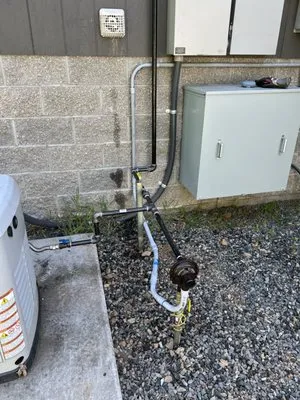
Gas Right Integrity Plumbing
Gas Right Integrity Plumbing is your trusted, local plumbing expert in Grants Pass, OR. We specialize in comprehensive plumbing solutions, from gas line and water pipe installation to water heater and...
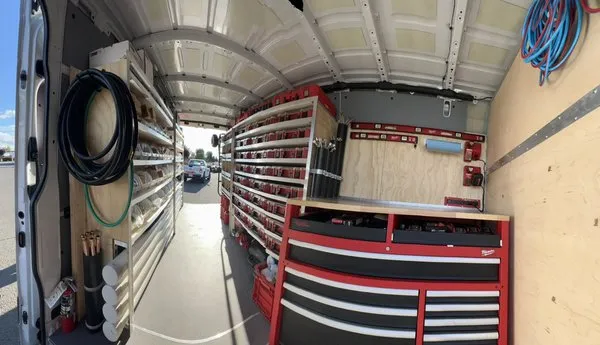
Hukill's
Hukill's is a family-owned and operated plumbing, excavation, and restoration company proudly serving Medford and all of Southern Oregon since 1979. Our commitment is to customer service and satisfact...
HD Plumbing is your trusted, licensed plumbing contractor serving Central Point and the greater Jackson and Josephine County areas. We specialize in providing comprehensive residential and commercial ...

D & D Plumbing & Repair is a trusted, locally-owned plumbing service in Medford, OR, dedicated to providing reliable solutions for the community's common plumbing problems. We specialize in thorough p...
Mr. Rooter Plumbing of Josephine & Jackson Counties
For over 50 years, the Mr. Rooter Plumbing of Josephine & Jackson Counties team has been the trusted local plumbing expert for homes and businesses in Grants Pass and the surrounding areas. Independen...
Tank's Plumbing is a trusted, locally owned plumbing service that has been proudly serving White City and all of Southern Oregon for over a decade. Built on a foundation of reliability and community t...

Base One Plumbing
Since 1979, Base One Plumbing has been a trusted family-owned plumbing and general contracting service for Medford, OR. Founded with a commitment to solving everyday plumbing problems, we've grown ove...
Estimated Plumbing Costs in Foots Creek, OR
Frequently Asked Questions
How long do copper pipes last in Foots Creek homes?
Copper plumbing installed around 1972 is now 54 years old. Homeowners in Foots Creek Valley are seeing increased frequency of leaks at solder joints and fittings. This age represents the typical lifespan where corrosion and mineral buildup inside pipes accelerate. Many systems need partial replacement or full re-piping to maintain reliable water flow.
What permits do I need for plumbing work in Jackson County?
Jackson County Building Department requires permits for water heater replacements, re-piping, and septic modifications. I handle Oregon Building Codes Division compliance for all installations, including backflow prevention devices required for private wells. Managing this red tape ensures your system meets current standards and maintains property value during inspections.
How does rural living affect my septic and well maintenance?
Private wells require annual testing for coliform bacteria and mineral content. Septic systems need pumping every 3-5 years depending on household size. Unlike municipal systems, you're responsible for maintaining the entire water infrastructure from well to drain field. Regular maintenance prevents costly emergencies that can contaminate your water supply.
Why do my copper pipes keep springing pinhole leaks?
Copper pipes from 1972 often develop pinhole leaks due to internal corrosion called type 1 pitting. This occurs where water chemistry interacts with the pipe wall, creating microscopic holes that expand over decades. The problem worsens with our hard water, accelerating failure at elbows and tee fittings. Complete pipe wall penetration typically happens between 50-60 years of service.
How quickly can a plumber reach my home near Gold Ray Dam?
Heading past Gold Ray Dam on I-5, most service calls in Foots Creek Valley take 45-60 minutes. The route follows the Rogue River corridor then cuts east into the valley. We factor in winding rural roads and driveway access when estimating arrival times. Emergency calls receive priority routing regardless of location.
Could my home's hillside location cause drainage problems?
Hilly terrain around Gold Ray Dam creates hydraulic stress on main water lines during heavy rain. Soil erosion can expose or shift buried pipes, causing joints to separate. Downslope properties often experience increased sediment in their water supply after storms. Proper grading and French drains help protect the main line from seasonal water pressure changes.
What should I do to prepare my plumbing for spring thaw?
Insulate exposed pipes before temperatures drop to 33°F, focusing on crawl spaces and exterior walls. Drain outdoor spigots and disconnect hoses to prevent backflow freezing. Check that your well pump disconnect switch functions properly for emergency shutoffs. These steps prevent burst pipes during rapid temperature swings common in our temperate climate.
Does hard water from my private well damage plumbing fixtures?
Hard water causes scale buildup that reduces water heater efficiency by 20-30% over five years. Mineral deposits accumulate fastest in water heater tanks, faucet aerators, and showerheads. Scale restricts flow and increases pressure on pump systems. Installing a whole-house water softener protects appliances and extends plumbing component lifespan.
