Top Emergency Plumbers in Dayton, OR, 97114 | Compare & Call

There are 125 plumbing companies server in Dayton OR
Cornel's Plumbing, Heating & Air Conditioning
Cornel's Plumbing, Heating & Air Conditioning is a family-run business serving Beaverton for over 30 years. Our journey began in Romania, where Cornel himself started out with just a bicycle to carry ...
5 Daughters Plumbing is a veteran-owned, licensed plumbing service serving Troutdale, OR and the Greater Portland area. We provide comprehensive plumbing solutions for both residential and commercial ...
Oregon Plumbing is a locally owned and operated family business serving Newberg and the wider Yamhill County area. Founded by Journeyman Plumber Josh, who brings over a decade of experience from the P...
Sewer Renewal Specialists
Sewer Renewal Specialists is a trusted plumbing and sewer service provider serving Portland, OR. With over 15 years of local experience, we understand the unique plumbing challenges faced by Portland ...
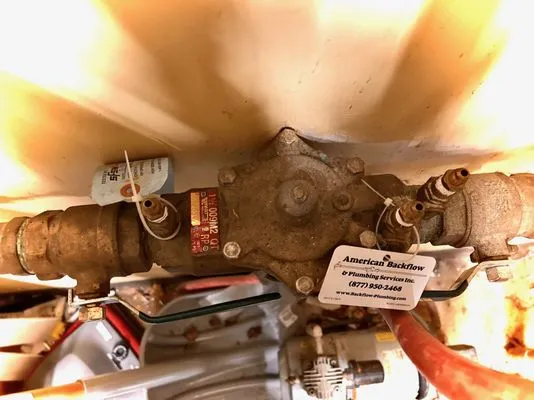
Founded in 1995 by brothers Tony and Brian Johnston, American Backflow and Plumbing Services began as a two-man operation working out of a Portland garage. Driven by a commitment to the 'golden rule'—...
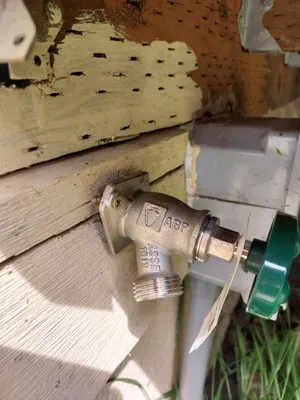
Always Affordable Plumbing is a trusted local plumbing company serving Portland, OR, dedicated to providing reliable and cost-effective solutions for homeowners. We specialize in addressing the unique...

Boger Plumbing is a licensed mobile plumbing service based in Newberg, OR, dedicated to providing reliable solutions for residential plumbing needs. With a fully stocked van and a commitment to clear ...
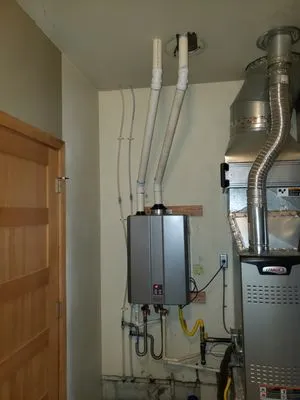
Kaine's Plumbing is a trusted, locally-owned Beaverton plumbing service founded by Kaine Rodgers. With over 15 years of hands-on experience spanning industrial, commercial, and residential projects, w...
Anytime Plumbing & Drain Cleaning Service is your locally owned, woman-operated plumbing contractor serving Portland, Oregon, and Vancouver, Washington. We provide a comprehensive range of honest, tra...

Forbes Plumbing
Forbes Plumbing has been serving Wilsonville, OR, and the surrounding communities since 1972, bringing decades of professional plumbing experience to every job. We specialize in a comprehensive range ...
Estimated Plumbing Costs in Dayton, OR
Q&A
Are there different plumbing concerns for a rural Dayton property versus in town?
Absolutely. Rural properties here often rely on private wells and septic systems. Well pump pressure switches and septic field integrity become primary concerns, distinct from municipal water and sewer. Water quality from a well requires specific testing, and septic maintenance is mandatory to avoid costly failures. In-town homes deal more with mainline access and shared utility corridors.
How quickly can a plumber get to my house in Dayton if I have a leak?
From our central dispatch, the route typically heads past Dayton Courthouse Square Park onto OR-18. Traffic is generally light, allowing us to reach most addresses within the city within 45 to 60 minutes barring major road work or weather. We plan for this transit time so you can expect a clear and accurate window for service.
Could the flat land near my house be causing drainage or sewer problems?
Low-lying terrain, like the areas around Dayton Courthouse Square Park, can complicate drainage. The minimal slope places constant, silent stress on main sewer lines, encouraging sagging or bellies where waste collects. During heavy rain, saturated soils increase hydrostatic pressure on basement walls and floor drains, making sump pumps a critical defense against backup.
Why do my copper pipes keep springing pinhole leaks?
Copper pipe installed in 1976 suffers from a specific failure mode. Aggressive local water, combined with 50 years of micro-vibrations, erodes the interior wall. This creates pinhole leaks, most commonly on horizontal hot water runs and near dielectric unions where dissimilar metals meet. The leak is often a symptom of widespread internal corrosion you can't see.
What's the one thing I should do to my plumbing before a Dayton winter?
Disconnect and drain your garden hoses every fall. Our winter lows around 34°F mean freeze events are sporadic but real. A forgotten hose bib with a hose attached is the most common point of failure, as water trapped in the hose freezes and splits the pipe inside the wall. Insulating exposed pipes in unheated crawlspaces is also a prudent step.
My Dayton home was built in the 1970s. Should I be worried about the plumbing?
Homes built around 1976 have copper plumbing that's now 50 years old. In Old Town Dayton, we're seeing these systems reach a critical point of wear. The copper thins from decades of water flow, and the original solder at the joints begins to fail. This age is the primary reason for the sudden leaks many neighbors are experiencing, often starting at fixtures and elbows.
What permits are needed for a water heater replacement in Yamhill County?
Yamhill County Planning and Development requires a permit for a water heater replacement, as does the Oregon Building Codes Division. As a licensed master plumber, I pull these permits and schedule the required inspections. Handling this red tape is part of the job, ensuring the installation meets current seismic strapping and pressure relief valve codes so you don't have to navigate the process.
Does the Yamhill River water cause problems for my water heater?
Yes, the mineral content from the watershed results in hard water. Scale buildup is a constant issue. Inside your water heater, this sediment acts as an insulator, forcing the unit to work harder and fail prematurely. At fixtures, it clogs aerators and reduces flow. A standard anode rod may corrode faster than the tank itself, leaving it unprotected.
