Top Emergency Plumbers in Clatskanie, OR, 97016 | Compare & Call

There are 44 plumbing companies server in Clatskanie OR
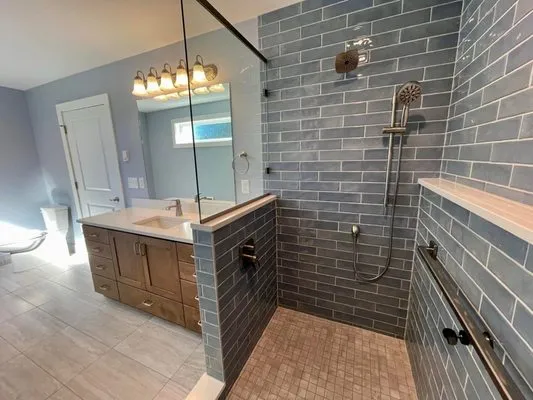
Northwest Plumbing Services
Northwest Plumbing Services has been the trusted plumbing provider for Warren, OR, and surrounding Columbia County communities since 1991. Founded by David Sass, who became Oregon's youngest journeyma...

For over 22 years, True Blue Plumbing has been the trusted local choice for Portland homeowners. We specialize in comprehensive plumbing and rooter services, from emergency repairs to full-system inst...

Patriot Plumbing And Pumps
Patriot Plumbing and Pumps is a veteran-owned and operated plumbing service proudly serving St. Helens and the surrounding communities. Founded by a plumber with a distinguished background of service—...
American Leak Detection is Portland's trusted expert for protecting homes from hidden and disruptive water and gas issues. Serving the greater Portland area, our specialized technicians use advanced n...
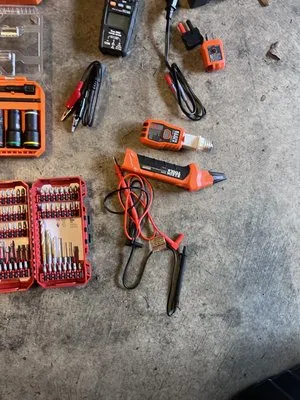
Kriel Home and Building Maintenance is a trusted local service provider in Wilsonville, Oregon, offering comprehensive maintenance, repair, and improvement solutions for homes and offices. Our team co...
Modern Plumbing has been a trusted fixture in the Portland metro area, including Tualatin, since 1959. As a licensed, bonded, and insured family business, we specialize in high-end specialty fixtures ...

i5 Exteriors
i5 Exteriors is a trusted Portland contractor specializing in durable roofing, siding, and deck solutions for homes and businesses. We also provide comprehensive plumbing services, from water heater i...

Redside Plumbing is your trusted local plumbing expert serving Scappoose, OR, and surrounding areas. We specialize in comprehensive plumbing services including bathtub, shower, sink, toilet, and water...
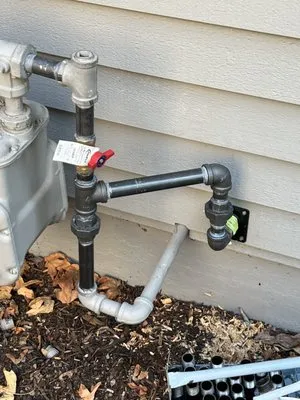
Portlandia Plumbing Works is a veteran family-owned plumbing company based in St. Helens, Oregon, serving residential and light commercial clients throughout the local area. With a focus on quality wo...

Backflow Prevention Device Testing Inc. has been a trusted name protecting Portland's water supply since 1988. Founded by Dave Garrett and now operated by his son-in-law Greg, the business is built on...
Estimated Plumbing Costs in Clatskanie, OR
Frequently Asked Questions
What permits are needed for a water heater replacement?
The Clatskanie Building Department requires a permit for any water heater replacement, which includes an inspection. As a licensed master plumber, I handle that red tape directly with the department and ensure the install meets all current Oregon Building Codes Division standards for seismic strapping, pressure relief valve discharge, and venting. You get the paperwork for your records, but you don’t have to make the calls or schedule the inspections.
Our house is from the 70s. Are the pipes about to go bad?
Homes built around 1978 have copper pipes that are now 48 years old. This is the lifespan where they typically start to fail. In Downtown Clatskanie, we’re seeing a lot of these older systems develop pinhole leaks and corrosion at the joints. The copper gets thin from decades of water flow and mineral deposits, which weakens the walls. It’s often a good time to evaluate your plumbing before a small leak becomes a major issue.
Are septic and well issues common for older homes here?
In our rural setting, many homes from the 70s are on original septic systems and private wells. A 48-year-old septic drain field can be nearing the end of its functional life, especially if the soil is saturated. Well components like the pressure tank and foot valve also wear out. We coordinate with septic inspectors and well drillers to provide a full picture. Municipal water isn’t an option for most, so maintaining these systems is essential.
Could the hills be causing my drainage problems?
The hilly terrain around places like Clatskanie City Park puts constant stress on sewer mains and drainage lines. Gravity works hard here, which can lead to settling and bellied pipes that collect debris. For water supply lines, the elevation changes can create high pressure at the bottom of a hill, stressing fittings. We often use pressure-reducing valves on these services. Proper grading around your foundation is also critical to direct runoff away from the house.
What’s the most important thing to do before winter here?
Our winter lows hit 34°F, but the real danger is a hard freeze that can happen quickly. The pro-tip is to disconnect and drain all outdoor hoses, then shut off and drain the exterior faucet valves from inside the house. For crawlspace pipes, make sure all vent blocks are secure. Insulating pipes in unheated spaces is more effective here than installing heat tape, which can fail. A small drip on the coldest night is cheaper than a burst pipe repair.
Why do my copper pipes keep springing pinhole leaks?
Copper installed in the late 70s is susceptible to a specific type of corrosion called Type I pitting. Acidic water accelerates this, causing tiny, concentrated pits that eventually perforate the pipe wall. We also see joint calcification where solder connections harden and crack over 48 years. The leaks often appear on horizontal runs or near fixtures where water sits. It’s a material fatigue issue common to this vintage.
How long does it take for a plumber to get here?
Heading past Clatskanie City Park on US-30 is the main route into most neighborhoods here. We plan for a 45- to 60-minute dispatch window depending on traffic and your specific location off the highway. That time accounts for the rural roads and allows us to bring the right truck and parts for the first visit. You can expect a call when we’re about 10 minutes out.
Does the local water cause problems for appliances?
Water sourced from areas like Beaver Creek tends to be soft but can be acidic. That corrosive quality eats away at the anode rod in your water heater first, leaving the tank unprotected. It also attacks brass fittings and fixture seals over time. You might notice blue-green stains on fixtures or a metallic taste. Installing a neutralizing filter or using a powered anode can significantly extend the life of your water heater and plumbing.
