Top Emergency Plumbers in Purcell, OK, 73051 | Compare & Call

There are 235 plumbing companies server in Purcell OK
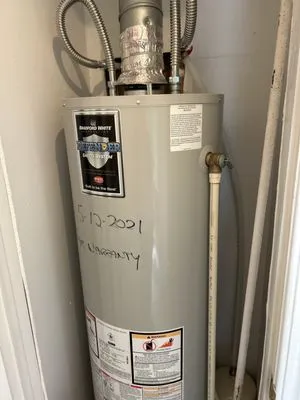
David's Plumbing has been a trusted plumbing service in Oklahoma City since 1999, founded by owner David after he began his plumbing career fresh out of the Army in 1993. With experience as an apprent...

Stan's Plumbing has been the trusted local plumbing service in Bethany, OK since 1989. As a family-owned business, we specialize in water heater repair, installation, and comprehensive drain and sewer...
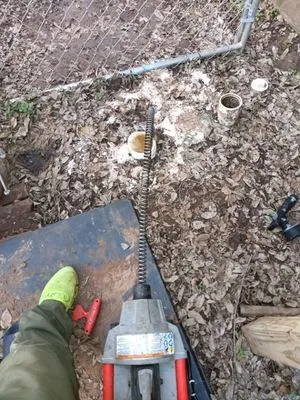
S.O.L. Sewer and Drain Service is a licensed journeyman plumbing company serving Moore, OK, and the Greater Oklahoma City metro area. With 7 years of experience, we provide 24/7 emergency plumbing sol...
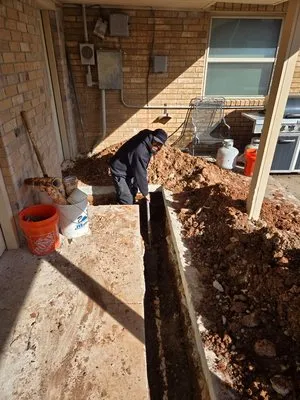
Amped Home Services
Amped Home Services has been providing reliable plumbing and HVAC solutions to the Warr Acres community and Greater Oklahoma City area since 2008. As a locally owned company, we specialize in a compre...
Plumb Crazy Plumbing is a locally-owned and operated plumbing contractor that has been serving the Oklahoma City metro area since 2002. With over 18 years of professional plumbing experience, our foun...
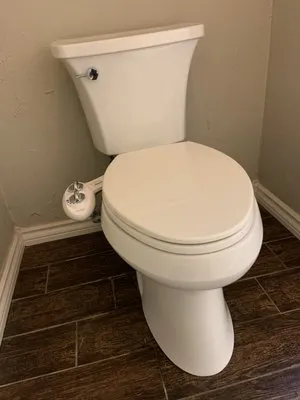
Mike's Faucet & Fixture is a trusted, locally-owned plumbing service serving Oklahoma City and surrounding communities since 1995. Founded by Mike, who earned his plumbing license in 2008 after years ...
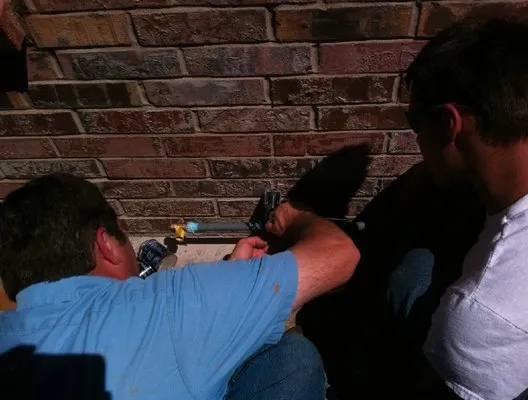
DJ and Sons Plumbing has been serving Oklahoma City since 2000, founded by James "Jim" Walker and Dave. Jim started as an apprentice in Shawnee in 1996, learning the trade thoroughly and maintaining t...
SS Plumbing is a family-owned and operated plumbing business serving Oklahoma City and surrounding rural areas. With over 30 years of experience in the plumbing industry, we provide reliable 24/7 emer...

Mr. Rooter Plumbing of Oklahoma City
Since 1975, Mr. Rooter Plumbing of Oklahoma City has been a locally owned and operated pillar of the community. Rooted in the core values of quality work and honest pricing established by the original...
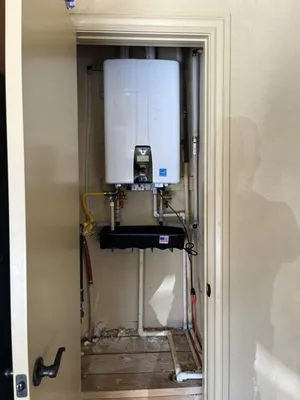
Gilded Plumbing is a locally-owned and operated plumbing company serving Guthrie and the OKC metro. Owner Zackary Frazier brings over a decade of plumbing experience to the community, having worked ac...
Estimated Plumbing Costs in Purcell, OK
Frequently Asked Questions
Are there special plumbing considerations for homes outside Purcell's city limits?
Rural properties often have private wells and septic systems that require different maintenance than municipal services. Well pumps need regular pressure tank checks and occasional screen cleaning from sediment. Septic systems require professional pumping every 3-5 years depending on household size—ignoring this leads to drain field failure. These systems operate independently, so problems don't get reported like city utility issues would.
Why does my basement sometimes flood after heavy rains near Purcell Lake?
The relatively plain terrain around Purcell Lake creates subtle drainage challenges. Water doesn't run off quickly, so it saturates the soil and puts hydrostatic pressure against foundation walls and main sewer lines. Over time, this constant pressure can cause joint separation in main lines or allow water infiltration through foundation cracks. Proper grading away from your home's foundation is more critical here than in sloped areas.
What should I do before spring thaw to prevent frozen pipe damage?
Before temperatures drop to 28°F during spring thaw nights, insulate exposed pipes in crawl spaces and attics. Drain outdoor spigots and disconnect hoses. Keep cabinet doors open under sinks to allow warm air circulation. During extended cold snaps, let faucets drip slightly to maintain water movement—this simple measure prevents pressure buildup that cracks pipes when ice forms.
How quickly can a plumber reach my home if I have an emergency leak?
Heading past Purcell Lake on I-35 gives us direct access to most neighborhoods. From our dispatch point, we can typically reach homes within 20-30 minutes using that corridor. The route avoids downtown congestion during peak hours, letting us maintain consistent response times whether you're near the lake or further into residential areas.
Does Purcell's hard water damage my water heater or appliances?
Hard water from the Canadian River watershed deposits calcium and magnesium minerals inside your plumbing system. In water heaters, this scale buildup insulates heating elements, forcing them to work harder and shortening their lifespan by 2-4 years. Fixtures develop reduced flow as mineral deposits accumulate in aerators and valve seats. Regular descaling maintenance becomes essential after about five years of use.
Why are so many homes in Downtown Purcell suddenly having plumbing issues?
Copper pipes installed around 1982 are now 44 years old in 2026. At this age, the protective lining inside copper pipes wears thin from decades of water flow and mineral exposure. Homeowners in Downtown Purcell are seeing increased pinhole leaks, joint failures, and reduced water pressure as the metal fatigues. This isn't unexpected deterioration—it's the predictable lifespan of residential copper plumbing systems in our area.
Who handles permits and inspections for plumbing work in Purcell?
The Purcell Building Department issues local permits while the Oklahoma Construction Industries Board sets statewide licensing standards. As a master plumber licensed through both, I file all necessary paperwork and schedule inspections. Homeowners shouldn't navigate this bureaucracy themselves—I coordinate directly with inspectors to ensure work meets current code before walls get closed up.
What causes those tiny leaks in copper pipes that seem to appear out of nowhere?
Pinhole leaks develop in 44-year-old copper pipes due to a combination of factors. Hard water minerals create scale buildup that traps moisture against the pipe walls, accelerating corrosion from the inside. Over decades, this creates weak spots that eventually perforate. We see this most often at joints and bends where water turbulence concentrates the wear.
