Top Emergency Plumbers in Muldrow, OK, 74948 | Compare & Call

There are 17 plumbing companies server in Muldrow OK

Pro Skills Plumbing is a trusted local plumbing company serving Choctaw, Oklahoma, and the surrounding areas. We specialize in providing professional plumbing inspections and repairs tailored to the s...
Mike Taylor Plumbing is your trusted local plumbing expert serving Muldrow, OK, and the surrounding areas. With years of experience, we specialize in a comprehensive range of services including bathtu...
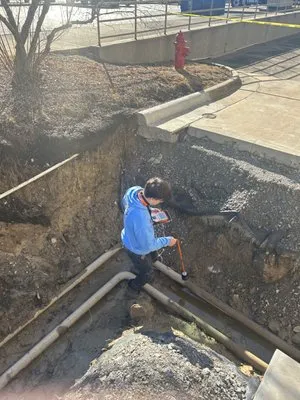
Sherlock Holmes Leak Detection is your trusted, local plumbing expert serving Arkoma, OK, and the surrounding area. We specialize in diagnosing and solving the common plumbing issues that many local h...

SJL Drains is your trusted local handyman and plumbing expert serving Poteau and the surrounding areas. We specialize in a wide range of services, from appliance installation and furniture assembly to...

Benefit Plumbing has been Roland's trusted, family-owned plumbing company since 2004. We understand the specific plumbing challenges that come with living in our community, from seasonal outdoor fauce...
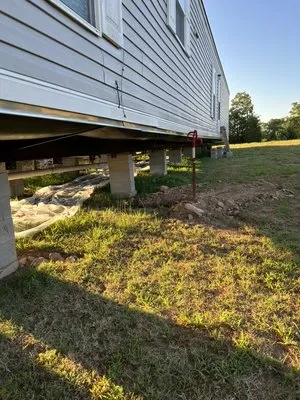
Foreman Plumbing is your trusted local plumbing partner in Muldrow, Oklahoma. We provide reliable solutions for homes and businesses, specializing in bathroom remodels, water heater installation and r...
Royal Flush Plumbing is your trusted, local plumbing expert in Muldrow, OK. We specialize in comprehensive plumbing inspections designed to catch small problems before they turn into major headaches. ...
Sequoyah Septic Pumping is a locally owned and operated septic service based in Muldrow, Oklahoma, serving residential and commercial clients throughout Sequoyah County. Established in 2017, the compa...
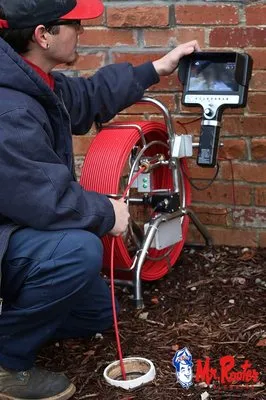
Mr. Rooter Plumbing of Greater Fort Smith
Mr. Rooter Plumbing of Greater Fort Smith is a locally owned and operated plumbing service in Fort Smith, AR, founded by Emily Peek. Since taking over office operations in 2012, Emily has built a repu...

Westark Plumbing
Westark Plumbing is a trusted Fort Smith plumbing service founded in 1993 by a Master Plumber. With 15 employees, we provide reliable residential and commercial plumbing solutions, including emergency...
Estimated Plumbing Costs in Muldrow, OK
Questions and Answers
Who pulls the permits for a repipe or water heater install?
I handle all required permits through the Sequoyah County Clerk's office and ensure the work meets Oklahoma Construction Industries Board code. My license covers that red tape, from the initial filing to the final inspection. This protects you, as the homeowner, from liability and ensures the installation is documented correctly for any future property sale.
Could the hilly land around town cause plumbing problems?
Absolutely. The slope of the land, like the grades near Muldrow High School Stadium, puts constant, uneven stress on the main sewer line running from your house to the street. This stress can cause the pipe to settle or develop a low spot, leading to recurring drain clogs and backups because waste cannot flow away by gravity as it was designed to.
My house was built around 1982, are my copper pipes getting old?
Copper plumbing installed in 1982 is now 44 years old. For homes in the Muldrow City Center area, that age means the pipe walls have been thinning from decades of water flow and minor corrosion. Homeowners often first notice a persistent, musty smell under sinks or a slight drop in water pressure, which are early signs of internal scale buildup and pinhole leaks starting to form.
How fast can a plumber get to my house in Muldrow?
My typical dispatch route has me heading past Muldrow High School Stadium to access I-40, which is the main artery for reaching most neighborhoods. From there, it's a direct run to your street. For most calls in town, you can expect a service truck at your door within 45 to 60 minutes of your call.
Does water from Lake Tenkiller damage my plumbing?
Water sourced from Lake Tenkiller is very hard, meaning it's high in dissolved minerals like calcium and magnesium. Inside your pipes and water heater, these minerals solidify into a rock-like scale. This buildup drastically reduces appliance efficiency and can completely clog fixture aerators, while also insulating heating elements and causing them to overheat and fail prematurely.
What's the most important spring plumbing tip for Muldrow?
Watch the overnight low of 28 degrees during early spring. The daily freeze-thaw cycle is the real danger. A pro-tip is to disconnect and drain your garden hoses before bed on cold nights. A frozen hose bib can push ice back into the interior supply line, causing a split pipe that only reveals itself during the daytime thaw.
Are there special plumbing concerns for a rural Muldrow home?
Rural properties here often operate on private wells and septic systems, not city utilities. That means water pressure is controlled by a well pump and pressure tank, which need regular servicing. Your septic tank also requires professional pumping every 3-5 years to prevent a costly system failure, which is a very different maintenance schedule than a home on a municipal sewer line.
Why do my copper pipes keep springing pinhole leaks?
This is a signature failure for 1980s-era copper in our area. Over four decades, the natural minerals in our hard water slowly erode the pipe's interior, a process called Type I pitting. It creates weak spots that eventually perforate, leading to those frustrating pinhole leaks, often behind walls or under slabs, that require a section repipe to fix properly.
