Top Emergency Plumbers in Wintersville, OH, 43944 | Compare & Call

There are 43 plumbing companies server in Wintersville OH
Mr. Rooter Plumbing of Weirton
Mr. Rooter Plumbing of Weirton is a locally-owned plumbing service led by Master Plumber Bob Beall, who brings approximately 30 years of experience to every job. Despite facing personal challenges, in...
Cipoletti Plumbing
Cipoletti Plumbing is a trusted, full-service plumbing company serving Wellsburg, WV, and the surrounding areas. We specialize in addressing the common plumbing challenges faced by local homeowners, s...

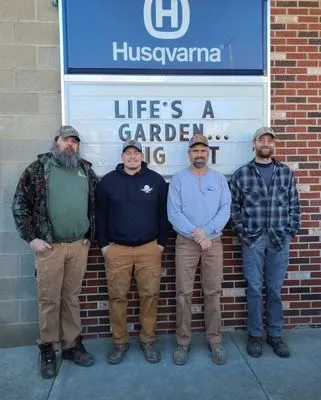
Hybrid Enterprises is a Weirton-based, full-service contractor formed in 2016 by a team of 20 skilled professionals. We bring together expertise in landscaping, hardscaping, construction, and home sys...

Gurrera Plumbing has been a trusted name in Weirton and the surrounding communities since 2013. As a fully licensed plumbing contractor, we specialize in providing comprehensive residential and commer...

R & R Mechanical is a Cleveland-based, MBE & EDGE certified mechanical services provider founded in 1986. With a team of licensed and insured plumbers boasting over a century of combined experience, t...
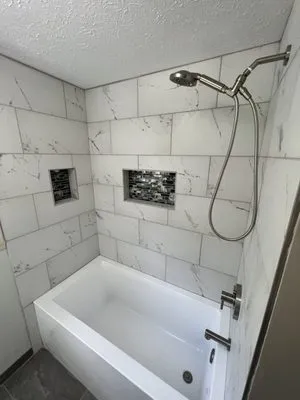
LM Home Improvement & Renovation LLC is a Norton-based contractor dedicated to transforming homes throughout the community. We specialize in comprehensive interior remodeling, with a strong focus on b...
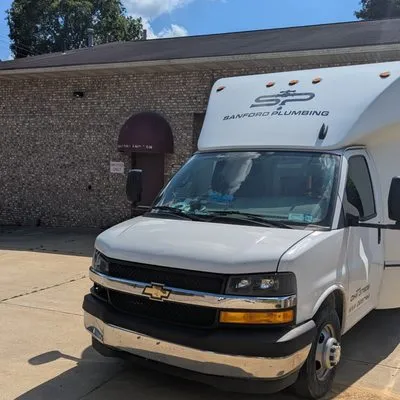
Sanford Plumbing has been a trusted fixture in East Liverpool's East End for over 50 years, proudly serving the Tri-State area with reliable, customer-focused plumbing services. Originally founded as ...
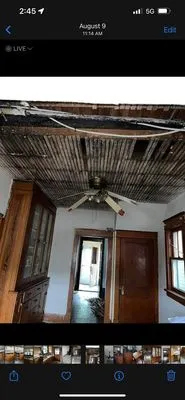
S&J Home Improvement serves Salineville, OH, and surrounding communities as a trusted, local provider of plumbing and drywall services. We understand that many area homes experience common plumbing is...

Sure Flow Sales Consulting serves Conneaut, OH, and the surrounding communities by combining expert business consulting with specialized plumbing inspection services. Recognizing the common local plum...
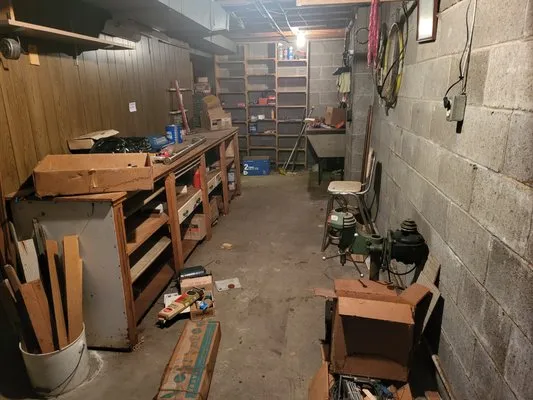
Savin Spaces Junk Removal LLC is a trusted, locally-owned company serving Wellsville, Ohio, and the surrounding communities. We specialize in two key areas that help homeowners and businesses reclaim ...
Estimated Plumbing Costs in Wintersville, OH
Frequently Asked Questions
How quickly can a plumber get to my house in Wintersville for an emergency?
Our typical dispatch route heads past Wintersville Municipal Park to access US Route 22, which puts most of the village within a 20 to 30-minute window. We keep an eye on traffic patterns, especially near the school zones, to maintain that estimate. For a true emergency like a major leak, we clear the truck and route directly.
As a suburban homeowner, what are my biggest plumbing risks?
Your primary concerns are aging municipal supply lines affecting your water pressure and tree roots seeking moisture in your sewer lateral. While you're on city water and sewer, the connection from the street to your house is your responsibility. Roots from mature neighborhood trees are the most common cause of slow drains and backups in these older subdivisions.
My house in the Main Street Corridor was built around 1969. What should I expect from my plumbing now?
With 57-year-old galvanized steel pipes, you're in the peak failure window. You'll likely see a persistent drop in water pressure from scale buildup and may start finding rust-colored water at your taps. Pinhole leaks often appear first in low spots, like under kitchen sinks. This material has simply reached the end of its service life, and proactive replacement is more cost-effective than chasing emergency repairs.
Do I need a permit to replace my water heater or repipe my house?
Yes, Jefferson County requires permits for that work to ensure it meets current code. As a Master Plumber licensed through the Ohio Construction Industry Licensing Board, I pull those permits, schedule the inspections, and handle all the red tape. You get the paperwork filed correctly without having to navigate the building department yourself.
Does our hard Ohio River water damage my plumbing fixtures?
Yes, the mineral content leads to significant scale buildup. Inside a water heater, this sediment insulates the heating elements, forcing them to work harder and fail prematurely. On faucets and showerheads, it clogs aerators and erodes rubber seals. Installing a whole-house water softener is the standard defense here to protect your appliances and extend pipe life.
Could the hilly terrain near my house be causing drainage problems?
Absolutely. The slope around areas like Wintersville Municipal Park can put lateral stress on sewer mains, leading to bellies or misaligned joints where waste collects. For your home, it means downspouts must discharge well away from the foundation. If they don't, stormwater will follow the hill's grade and potentially flood your basement or undermine your sewer line.
Why do my old pipes keep springing pinhole leaks?
Galvanized steel from the late 1960s corrodes from the inside out. The zinc coating has worn away, and the remaining iron reacts with minerals and oxygen in the water. This creates tuberculation, which are rough, scaled-up deposits that eventually eat through the pipe wall. The leaks usually follow a pattern, showing up at threaded joints or along horizontal runs where water sits.
What's the most important spring plumbing maintenance for Wintersville's climate?
Before the spring thaw hits its peak, disconnect and drain your garden hoses. A hose bib that freezes and bursts inside the wall is a common and expensive repair. Also, check the ground around your foundation for settling that may have exposed your main water line to deeper frost. A little inspection in March can prevent a major leak in April.
