Top Emergency Plumbers in West Hill, OH, 44438 | Compare & Call

There are 109 plumbing companies server in West Hill OH
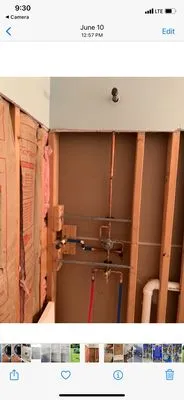
Advanced Plumbing in Austintown, OH, is a trusted local plumbing service provider dedicated to helping homeowners and businesses with a wide range of plumbing needs. From routine installations and rep...
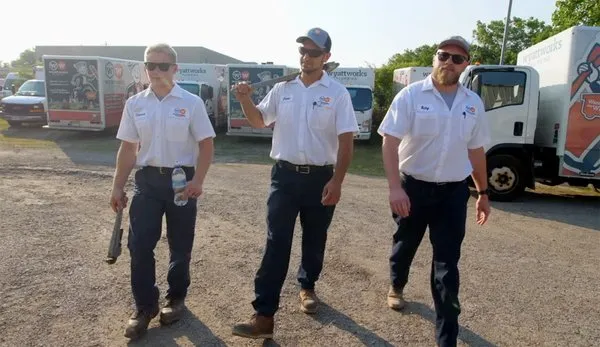
WyattWorks Plumbing
WyattWorks Plumbing has been serving Seven Hills, OH, since 1980, providing reliable plumbing solutions for homeowners. Specializing in hydro-jetting, water heater services, drain cleaning, and trench...
Mc Phillips Plumbing Heating & Air Conditioning
Mc Phillips Plumbing Heating & Air Conditioning has been a trusted Cleveland institution since 1907, operating as a family-owned business that has grown from its plumbing roots to become a full-servic...
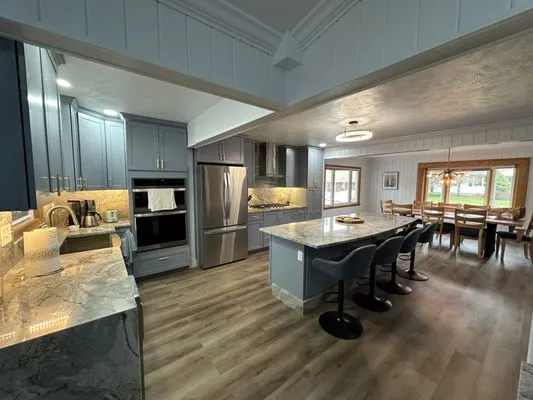
Lakeview Construction is a Cleveland-based building and remodeling contractor dedicated to transforming local homes. We handle projects of all sizes, from comprehensive ground-up construction—includin...
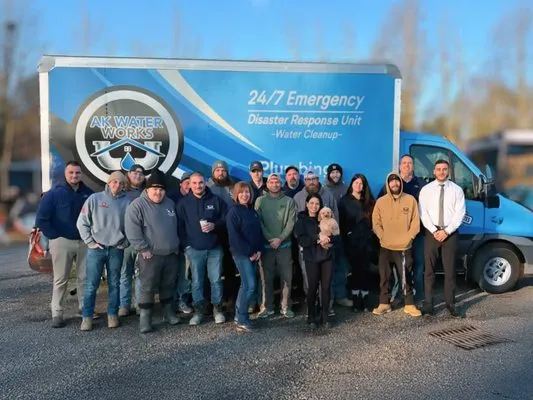
AK Water Works Plumbing & Drain
AK Water Works Plumbing & Drain is a family-owned, locally-operated plumbing company dedicated to serving Warren, OH, and the surrounding communities. We understand that plumbing problems are more tha...

R & R Mechanical is a Cleveland-based, MBE & EDGE certified mechanical services provider founded in 1986. With a team of licensed and insured plumbers boasting over a century of combined experience, t...
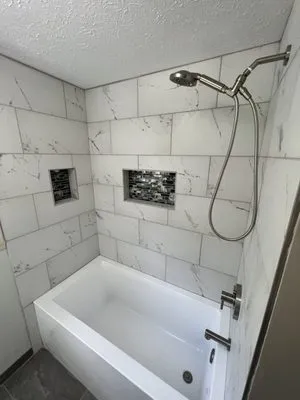
LM Home Improvement & Renovation LLC is a Norton-based contractor dedicated to transforming homes throughout the community. We specialize in comprehensive interior remodeling, with a strong focus on b...
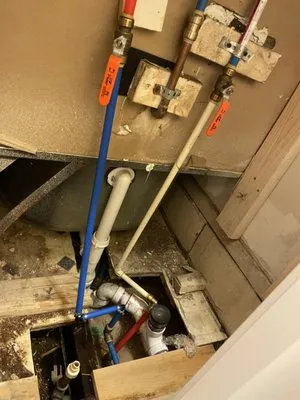
Lehman Drain & Septic
Lehman Drain & Septic is a family-owned plumbing and septic service company serving Hartville, OH, and the surrounding Stark, Portage, and Summit counties. With over 20 years of experience, owner Bran...
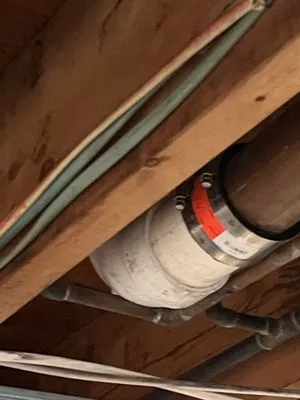
A to Z Dependable Services
A to Z Dependable Services is a trusted, family-owned plumbing and HVAC provider serving the Niles community and the wider Mahoning Valley. With over six decades of industry experience and under the o...
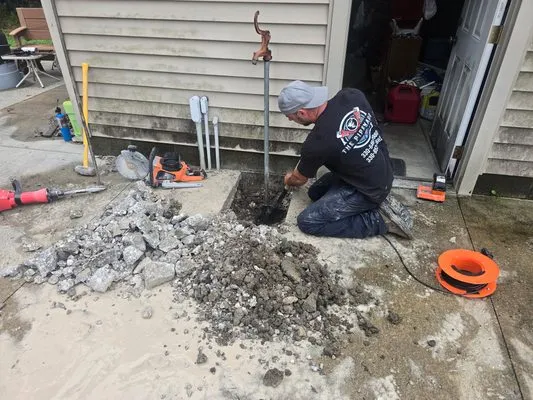
The PipeNado is a trusted plumbing and yard service provider serving Youngstown and the surrounding Mahoning and Trumbull counties. Founded in 2025 by James McElrath Jr., the business is built on a le...
Estimated Plumbing Costs in West Hill, OH
Questions and Answers
How fast can a plumber get to West Hill if I have a burst pipe?
For a true emergency, my dispatch route from the shop is direct. Heading past West Hill Park onto I-75 gets me into most West Hill neighborhoods within that 30-45 minute window. Traffic on the interstate is the main variable, but knowing the local exits and side streets cuts down on final-mile time. You can expect a call when we're about 10 minutes out.
As a suburban homeowner, what's my responsibility for the sewer line?
You own the entire lateral from your house out to the main sewer tap in the street or easement. In a mature suburban area like this, the two biggest threats to that buried line are shifting soil and tree root intrusion. Roots seek out the moisture and nutrients in even a tiny pipe joint crack. If you have older trees near your line, periodic root treatment or a planned camera inspection can catch an issue before it becomes a full collapse and a much larger repair.
Why do I keep getting pinhole leaks in my basement pipes?
Galvanized steel from 1952 corrodes from the inside out. The zinc coating wore off decades ago, leaving the bare steel to react with water and minerals. This creates uneven corrosion, and the thinnest spots fail first as pinhole leaks. These often appear at threaded joints or along horizontal runs where sediment settled and accelerated the decay. It's a systemic issue with the original material, not a fluke.
Does the hard water here in West Hill damage my appliances?
Yes, significantly. The mineral content from the Great Miami River aquifer leads to rapid scale buildup. Inside a water heater, that scale acts as an insulator, forcing the unit to work harder and fail sooner. On fixtures and shower valves, it crusts up moving parts and restricts flow. A whole-house water softener isn't just for comfort; it's a protective measure that extends the life of your water-using hardware by years.
My West Hill house was built in the 1950s. Should I be worried about the plumbing?
Houses built in the early 1950s, like many in West Hill Estates, were plumbed with galvanized steel pipe. As of 2026, that material is 74 years old. You're likely seeing the final stages of its lifespan now, with rust buildup severely restricting water flow. Faucets will run slow even with good pressure, and you'll notice brownish water after the line sits idle. Total pipe wall failure is a matter of when, not if, at this age.
Could the hilly land near West Hill Park be causing my slow drains?
It's very possible. Hilly terrain means your main sewer line has to navigate changes in elevation and direction. Over decades, this puts constant, uneven stress on the pipe, especially at joints. Ground settling on a slope can also create a low spot or a belly in the line where waste and debris collect, leading to chronic slow drains and eventual blockages. A camera inspection can map the line's exact pitch and reveal these trouble spots.
What's the most important thing to do before spring to avoid plumbing problems?
Disconnect and drain your garden hoses before the first hard freeze. A forgotten hose traps water in the faucet's bib, which freezes and splits the pipe inside your wall. When the spring thaw hits and you turn that faucet on, you'll have a major leak. It's a simple, two-minute task that prevents one of the most common and costly calls we get after temperatures dip near that 22-degree low.
Do I need a permit to replace my water heater or repipe my house?
Most plumbing work, including a full repipe or a new water heater installation, requires a permit from the Hamilton County Building Department. As a Master Plumber licensed by the Ohio Construction Industry Licensing Board, pulling those permits, scheduling inspections, and ensuring code compliance is part of the job. I handle that red tape so you don't have to, and the inspection provides you with an official record that the work was done to current standards.
