Top Emergency Plumbers in Wells, OH, 43913 | Compare & Call

There are 133 plumbing companies server in Wells OH
Drain Works is your trusted Wheeling plumbing specialist. When clogs or leaks disrupt your home, we provide same-day service to restore your peace of mind. Our team brings deep expertise and specializ...
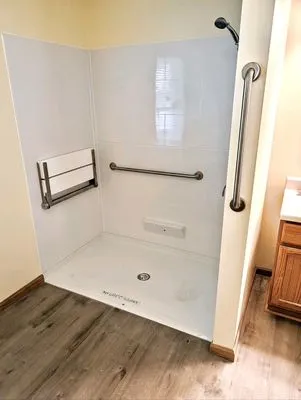
Prime Plumbing is a trusted local plumbing and remodeling contractor serving Moundsville, WV, and surrounding areas. With years of experience, we specialize in a comprehensive range of services includ...
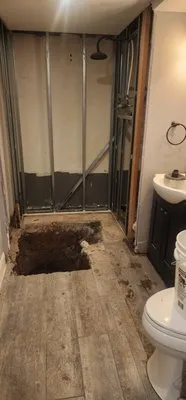
Dave's Plumbing Service
Dave's Plumbing Service has been a trusted provider of residential and commercial plumbing solutions in the Triadelphia, Wheeling, Moundsville, and St Clairsville areas for many years. We are a fully ...
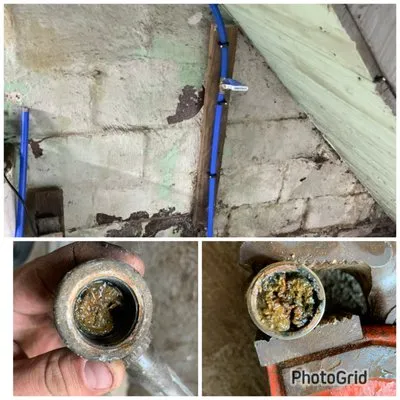
For over eight years, I've dedicated myself to the plumbing trade in the Upper Ohio Valley. What began as helping friends and neighbors with side jobs grew so consistently that by 2019, I made the dec...
Mr. Rooter Plumbing of Weirton
Mr. Rooter Plumbing of Weirton is a locally-owned plumbing service led by Master Plumber Bob Beall, who brings approximately 30 years of experience to every job. Despite facing personal challenges, in...
Cipoletti Plumbing
Cipoletti Plumbing is a trusted, full-service plumbing company serving Wellsburg, WV, and the surrounding areas. We specialize in addressing the common plumbing challenges faced by local homeowners, s...
Serving Wheeling and the surrounding Ohio Valley since 1965, Andy Weisenborn Plumbing is a trusted, local family business dedicated to solving residential and commercial plumbing problems. We provide ...
Temple Services is a trusted plumbing company serving Moundsville, WV, and the surrounding area. We specialize in a comprehensive range of plumbing solutions, including bathtub repair, drain installat...
Harold R Black Company is a trusted Wheeling plumbing service dedicated to solving the specific water and sewer challenges common in our area. We specialize in thorough plumbing inspections to identif...

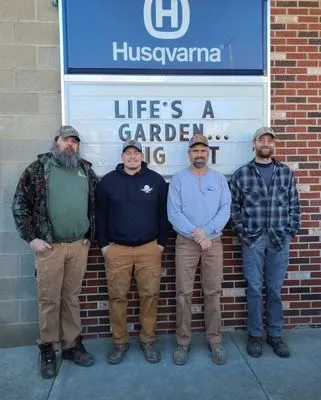
Hybrid Enterprises is a Weirton-based, full-service contractor formed in 2016 by a team of 20 skilled professionals. We bring together expertise in landscaping, hardscaping, construction, and home sys...
Estimated Plumbing Costs in Wells, OH
Question Answers
What's the most important spring plumbing task for this area?
Before the spring thaw hits its peak, disconnect and drain your garden hoses. A hose bib that freezes and cracks over winter can flood your basement or crawlspace once the water is turned back on. Checking these exterior faucets for slow leaks after the last hard freeze is a simple, critical step to prevent a major water emergency.
Why do my copper pipes keep springing pinhole leaks?
Copper installed around 1974 often had thinner walls than modern pipe. After 50 years of service with our hard water, the interior develops a patina of corrosion. Microscopic weak spots eventually wear through, creating those frustrating pinhole leaks. The leaks frequently occur on horizontal hot water lines first, where heat accelerates the chemical reaction and sediment settles.
How long does it take a plumber to get to a house in Wells, Ohio?
From a shop along the river, a typical dispatch route heads north on State Route 7. Barring weather or road work, that's a 45 to 60 minute drive to most addresses in the township. We factor this travel time into our scheduling, so you'll get a realistic two-hour arrival window, not just a start time for when we leave our base.
Does Ohio River water damage my water heater?
Indirectly, yes. The mineral content that makes our water hard leads to scale formation. Inside a water heater, this scale acts as an insulator on the heating elements or burner tube, forcing the unit to work harder and fail prematurely. It also settles in the tank's bottom, accelerating corrosion. An annual flush can extend its life by several years.
Are there special plumbing concerns for a rural home in Wells Township?
Two primary systems need attention: your private well and septic system. Well components like the pressure tank and switch have a finite lifespan. For septic, avoiding chemical drain cleaners and having the tank pumped on schedule are non-negotiable for system longevity. Municipal sewer assumptions don't apply here; these are your responsibilities.
Could my home's hillside location cause plumbing problems?
The hilly terrain places constant stress on your main sewer line or septic inlet pipe. Settling and ground movement over decades can cause pipes to bellies or separate at the joints. We often find that a slow-draining basement floor drain or gurgling toilets are the first signs of a line that's lost its proper pitch due to the slope.
What permits are needed for a water heater replacement in Jefferson County?
Jefferson County Building Department requires a permit for a water heater replacement, which includes an inspection. As a master plumber licensed by the Ohio Construction Industry Licensing Board, I pull that permit, schedule the inspection, and ensure the installation meets all current code for venting, pressure relief, and seismic straps. You won't need to visit any offices.
My home in Wells was built in the 1970s. What should I expect from my plumbing now?
Your copper pipes are now 52 years old. This is the point where we consistently see three main issues: pinhole leaks from internal corrosion, joint failures from decades of thermal expansion and contraction, and significant scale buildup that restricts water flow. In Wells Township, this often manifests as a sudden drop in water pressure at one fixture, followed by a wet spot on a wall or ceiling. It's a predictable lifecycle for this era of copper.
