Top Emergency Plumbers in Wellington, OH, 44090 | Compare & Call

There are 60 plumbing companies server in Wellington OH
CS Sewer Drain and Plumbing is a trusted, family-owned plumbing service proudly serving North Ridgeville and the surrounding Northeast Ohio communities. With over 75 years of combined hands-on experie...

Big O's Rooter Services is a locally-owned and operated plumbing company serving Lorain and the surrounding areas. With over three decades of professional experience, owner Otto brings a wealth of kno...
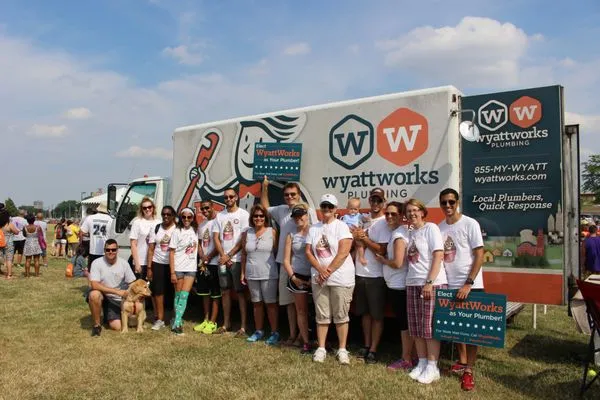
WyattWorks Plumbing
For over 35 years, WyattWorks Plumbing has been a trusted family name in Wickliffe and across Northeast Ohio. Founded by Andy Wyatt with a single pickup truck, the business is now a true family endeav...
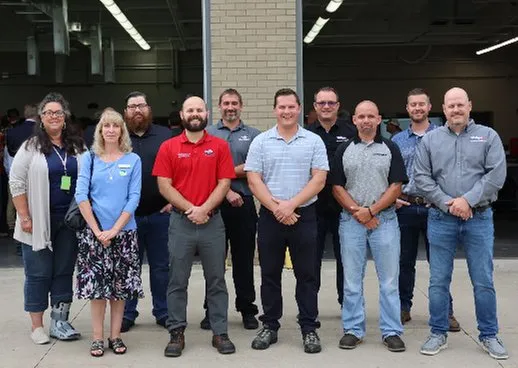
Since 1912, Wilkes Plumbing & Heating has been the trusted mechanical contractor for Huron, OH, and the surrounding communities. Founded by Franklin W. Wilkes, our family of highly trained and license...

Butts Plumbing
Butts Plumbing & Heating, Inc. has been a trusted family-owned plumbing company serving Avon Lake and surrounding communities like Avon, Bay Village, Rocky River, and Westlake since 1962. As a license...
Nemec's Remodeling Plumbing
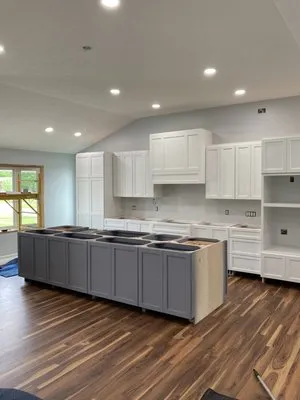
Nemec's Remodeling Plumbing is a locally owned and operated business serving Elyria for over 30 years. Founded by Steve Nemec, the company was built on a commitment to honest, high-quality work and pr...
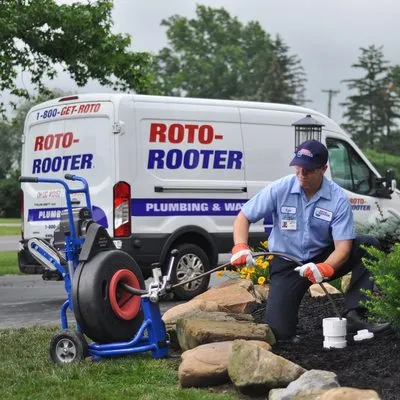
Roto-Rooter Plumbing & Water Cleanup
When Elyria homeowners and businesses need plumbing help, they call Roto-Rooter Plumbing & Water Cleanup. We are a fully staffed, local team available around the clock, 24 hours a day, 7 days a week, ...

Shur Flow Plumbing is a trusted, locally-owned plumbing and remodeling service based in Cleveland, OH, now under new management with a dedicated focus on community service. Our team brings over 30 yea...
Rocky River Plumbing is a trusted, locally-owned plumbing service dedicated to serving Cleveland and the surrounding communities. We understand the unique plumbing challenges Cleveland residents face,...
Reliable Drain Solutions has been serving Akron, OH, for over a decade, providing trusted residential and light commercial plumbing services. Our expertise includes comprehensive sewer and septic syst...
Estimated Plumbing Costs in Wellington, OH
Q&A
How fast can a plumber get to my house during an emergency in Wellington?
From our shop, the dispatch route heads past Wellington Town Hall onto State Route 58. This central corridor allows for a 45 to 60 minute response to most calls in the village. We factor in local traffic and weather, but that route is the most reliable for getting a truck and the right parts to your door promptly.
Do I need a permit to replace a water heater, and how does that work?
Yes, the Wellington Building Department requires a permit for water heater replacement due to safety codes. As a Master Plumber licensed by the Ohio Construction Industry Licensing Board, I pull that permit, schedule the inspection, and ensure the installation meets all current standards for pressure relief and seismic straps. My crew handles the red tape so you don't have to navigate the process.
As a rural homeowner, are my well and septic tank connected to my plumbing problems?
Absolutely. A failing pressure tank or well pump will cause erratic water pressure that stresses every fixture and connection in your house. Similarly, a full or failing septic system is the most common cause of main line backups in rural Wellington. These systems work as a unit; a plumbing issue inside often points to a problem with the well or septic outside.
What's the most common plumbing failure in a 1970s Wellington home?
Pinhole leaks from internal corrosion are the signature issue. After decades, our hard water aggressively attacks the copper, thinning walls until a small leak develops. You often find these leaks first on horizontal hot water lines or at soldered joints that have become brittle. It's a systemic issue tied directly to the pipe material and its age.
My house was built in the early 1970s, and I'm starting to see blue-green stains. Is this normal for a home in Wellington?
Copper pipe installed around 1970 is now 56 years old. At this age, the internal protective lining wears thin, especially in areas with our hard water. Homeowners in Wellington Village Center are commonly seeing pinhole leaks and that distinct blue-green corrosion around fixture joints. This is the pipe's lifespan showing its age, not a defect in your specific home.
Why does my water heater fail so often here, and is it related to the Black River?
It's related to the mineral content. Water from the Black River aquifer is very hard, leading to rapid scale buildup. Inside your water heater, this scale acts as an insulator, forcing the unit to work harder and overheat its elements. This drastically shortens its lifespan compared to areas with soft water. The river is the source, but the mineral hardness is what damages your hardware.
Could the flat land around here be causing my slow drains?
The plain terrain around Wellington Town Hall lacks the natural slope for ideal drainage. Over decades, this can cause waste lines to sag or belly, creating spots where debris collects and slows flow. It also means storm water doesn't run off quickly, which can saturate the soil and put external pressure on your main sewer line, potentially leading to a collapse or root intrusion.
What's one thing I should do before spring to avoid a basement flood?
Before the spring thaw hits its peak, disconnect any garden hoses and make sure your exterior faucets are fully drained. A hose left connected traps water in the bib, which will freeze and crack the pipe inside your wall. When that ice finally melts, you won't know there's a leak until water is running down your foundation. This simple step is critical in our Snow Belt climate.
