Top Emergency Plumbers in Waterloo, OH, 45701 | Compare & Call

There are 238 plumbing companies server in Waterloo OH
Fayette Heating & Air
Fayette Heating & Air is a family-owned HVAC, electrical, and plumbing company serving Lexington and Central Kentucky since 1971. As a second-generation business, we provide reliable residential and c...

Drain Works Plumbing has been Mount Sterling's reliable plumbing partner for over 20 years. As a fully licensed local business, we specialize in comprehensive residential plumbing services—from routin...

Loy Plumbing is a trusted, full-service plumbing company serving Morehead, KY, and surrounding areas. With expertise in everything from bathtub and shower installations to sewer line repairs and water...
Colosi Plumbing has been serving the Winchester, KY community for years, providing reliable solutions for local plumbing challenges. Homeowners in our area frequently deal with low water pressure and ...

All-Pro Plumbing has been serving Prestonsburg and Eastern Kentucky since 2007, when we combined two smaller companies to create a comprehensive plumbing service. With over 12 years in business, we ge...
CCP Plumbing is your trusted local plumbing expert serving Lakeview Heights, KY, and surrounding areas. We specialize in comprehensive plumbing solutions, from routine repairs to full installations, h...
At Harris Plumbing Services in Jeffersonville, KY, we approach every job with a passion for the craft, backed by the expertise of a Master and Journeyman license holder in the state of Kentucky. Wheth...
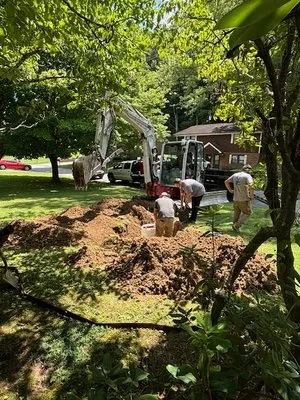
Laurel Creek Plumbing
Serving Vanceburg and Northeastern Kentucky for over 25 years, Laurel Creek Plumbing provides reliable plumbing solutions for homes and businesses. Our experienced team specializes in everything from ...
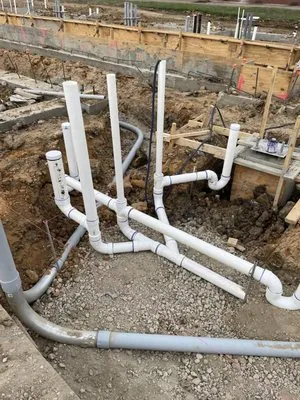
Spot on Johnny is a dedicated plumbing and construction service based in David, KY, where owner Johnny personally oversees every project from start to finish. With extensive experience across plumbing...

Ashland Plumbing Sewer & Drain Cleaning Service has been serving the Ashland, Kentucky community for years, building a reputation for reliable plumbing solutions. Our team of trained technicians provi...
Estimated Plumbing Costs in Waterloo, OH
Frequently Asked Questions
Are the original pipes in my Waterloo home a problem now?
The copper plumbing installed when these Waterloo homes were built in 1971 is now 55 years old. Homeowners in Waterloo Village Center and surrounding areas are seeing consistent failures. You'll notice pinhole leaks in the pipe walls, especially along horizontal runs, and the solder at joints can become brittle and fail. This isn't random bad luck; it's the predictable lifespan of that generation of copper tubing under our local water conditions.
Could the hilly land here cause plumbing issues?
The sloping terrain common around Waterloo, like near the Lawrence County Fairgrounds, puts extra static pressure on the main water line entering your home from a well. It also complicates drainage for waste lines. A main line running up a hill can develop stress leaks at fittings, and drain lines on a slope require precise grading to avoid backups or slow drainage from flat spots.
Does hard water from a private well damage my plumbing?
Hard water from a private well accelerates wear on all your home's hardware. Mineral scale builds up inside water heater tanks, reducing efficiency and lifespan. It also crusts up faucet cartridges and valve seats, causing drips and reduced flow. Without municipal water treatment, managing scale with a proper softener or conditioner is a necessary maintenance step to protect your investment.
What's different about plumbing for a rural home with a well and septic?
Rural plumbing here is a self-contained system. Pressure and water quality depend entirely on your well pump and any treatment you have. The septic field's health is directly tied to what goes down your drains. There's no city sewer to call if a line backs up, so preventative maintenance on the septic system and being mindful of what you flush is critical to avoid a much larger problem.
What's the most important spring plumbing task for my home?
Before the spring thaw hits its peak, disconnect any garden hoses and make sure your exterior hose bibs are fully drained and shut off from inside. Trapped water from winter can freeze in the bib or the pipe behind your wall, and a slow leak from a cracked fitting inside the wall during the thaw can cause significant hidden damage before you notice it.
Do I need a permit to replace my water heater in Lawrence County?
Yes, Lawrence County Building Department requires a permit for water heater replacement. As a Master Plumber licensed by the Ohio Construction Industry Licensing Board, I pull that permit, schedule the inspection, and ensure the installation meets all current code for pressure relief and seismic strapping. My job includes handling that red tape so your project is documented and compliant.
How long does it take for a plumber to get to Waterloo?
My standard dispatch route puts me heading past the Lawrence County Fairgrounds on State Route 141. From there, I'm taking the backroads into the Waterloo area. You can expect a 45 to 60 minute response window for most service calls. I plan my schedule around that transit time to give you an accurate arrival window.
Why do I keep getting pinhole leaks in my copper pipes?
Pinhole leaks in 1970s-era copper are often due to a combination of age and local water chemistry. Over 55 years, the protective interior scale can break down, allowing our area's hard water to pit the copper from the inside out. The failure frequently starts on hot water lines or where water velocity is high. It's a systemic issue for homes of this vintage, not a simple fix for one leak.
