Top Emergency Plumbers in Washington, OH, 45342 | Compare & Call

There are 104 plumbing companies server in Washington OH

Buckeye Plumbing & Drains is your local, licensed plumbing and septic expert serving Orient and the surrounding central Ohio communities. We know plumbing problems are stressful, which is why our appr...

XCEL Plumbing & Drains is a locally owned and operated plumbing service dedicated to serving the residents of Columbus, Ohio. We understand that plumbing problems can disrupt your home and your day. O...
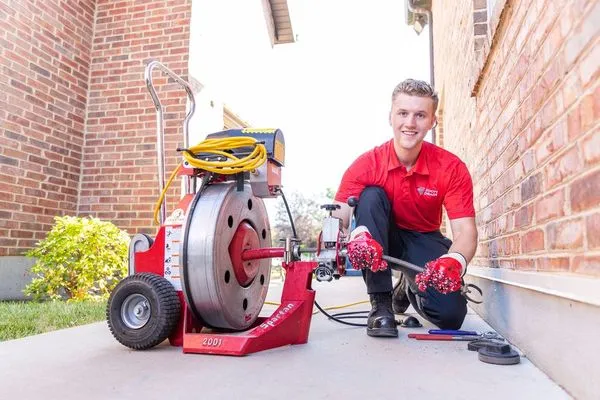
Zoom Drain in Powell, OH, is your local specialist for resolving stubborn drain and sewer issues. Our fully equipped service trucks arrive prepared for anything, featuring advanced video inspection te...
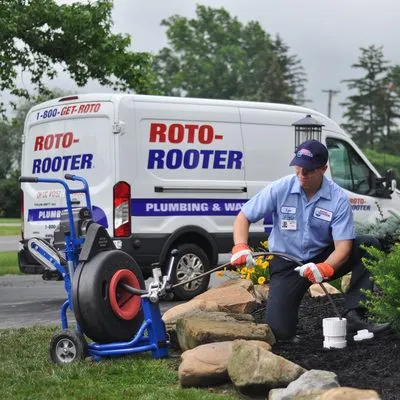
Roto-Rooter Plumbing & Water Cleanup
Roto-Rooter Plumbing & Water Cleanup in Columbus, OH is your local, 24/7 partner for plumbing and restoration needs. Our fully staffed team of dependable and friendly plumbers is ready to help homeown...

Mid City Property Pros is a Columbus-based home service company specializing in handyman, electrical, and plumbing work. We help local homeowners with repairs, installations, and maintenance, from fix...

Handyman 24 7 is a full-service home maintenance and repair company serving Columbus, OH, and surrounding areas. We provide a comprehensive range of solutions, from simple handyman tasks like furnitur...
At Greene's Plumbing Service in Columbus, OH, we believe if a job's worth doing, it's worth doing right. That commitment to quality is the foundation of every repair and installation we handle for our...

American Mechanical Group
American Mechanical Group has been a trusted family-owned service provider in Ohio since 1945. Based in Columbus and also serving Dayton, our team of 22 skilled technicians is equipped to handle your ...
Amanda Plumbing
Amanda Plumbing has been a trusted, family-owned plumbing resource for Delaware, OH, and surrounding communities since 1995. Built on word-of-mouth referrals and lasting customer relationships, we are...
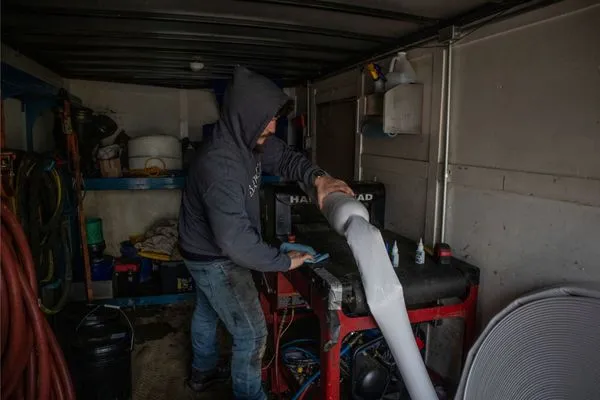
Sewer Pro is your Columbus-based expert in trenchless sewer repair and plumbing services. We specialize in methods like pipe lining and pipe bursting that fix underground pipes with minimal digging, s...
Estimated Plumbing Costs in Washington, OH
Frequently Asked Questions
How long do copper pipes last in Washington Court House homes?
Homes here built around 1986 now have 40-year-old copper piping. At this age, we commonly see pinhole leaks developing, especially in hot water lines. The internal thinning is a normal wear process for copper, and many systems in the Washington area are now reaching this critical service life. It's a good time to have a professional assessment to check for weak spots before a leak causes damage.
What's the most important spring plumbing tip for Washington, OH?
Before the spring thaw hits its peak, disconnect and drain your outdoor garden hoses. A hose left connected traps water in the faucet's interior pipe, which can still freeze during a late cold snap when overnight lows dip near 20°F. That trapped ice can crack the faucet or the pipe inside your wall, leading to a leak once it thaws. It's a simple two-minute task that prevents a common and costly repair.
Are there special plumbing concerns for homes on the outskirts of Washington Court House?
Properties further out often rely on private wells and septic systems, which have different maintenance needs than city water and sewer. Well pump pressure switches and tanks need periodic service, and septic systems require regular pumping every 3-5 years. Neglecting these can lead to pump failures or septic field backups, which are much more disruptive than a clogged city drain.
How fast can a plumber get to my house in Washington, OH?
From the Fayette County Courthouse, heading east on US-35 gives direct access to most neighborhoods. That central starting point allows for a 20 to 30 minute response to most calls in the city. Knowing the main routes through town helps us dispatch efficiently, whether the job is near Paint Creek or further out on the plain.
Does hard water from Paint Creek damage my water heater?
Yes, the mineral content that makes our water hard leads to scale buildup inside appliances. In a water heater, this layer of scale acts as an insulator, forcing the unit to work harder and use more energy. It also accelerates corrosion at the anode rod and tank seams. An annual flush and inspecting the anode rod can significantly extend the heater's life.
Could the flat land around here cause plumbing drainage problems?
The relatively plain terrain near the courthouse means drainage systems rely more on precise pipe slope than gravity. If a sewer line settles or sags even slightly over time, waste and solids can collect in that low spot instead of flowing freely to the main. This often requires jetting to clear and may need correction with a liner or excavation to restore the proper grade.
Do I need a permit to replace my water heater or repipe my house?
Most major plumbing work in the city requires a permit from the Washington Court House Building Department. As a master plumber licensed by the Ohio Construction Industry Licensing Board, I handle pulling those permits and scheduling the required inspections. This ensures the work meets current code, protects your home's value, and gives you a record of the upgrade. You won't have to navigate the red tape yourself.
Why do my copper pipes from the 80s keep springing pinhole leaks?
Copper installed in the mid-80s often suffers from pinhole leaks due to a combination of age and our local water chemistry. Over four decades, the hard water gradually erodes the pipe wall from the inside. The failure typically starts at a microscopic pit and works its way through, creating a small but persistent leak. Replacing entire compromised sections is often more cost-effective than repeated spot repairs.
