Top Emergency Plumbers in Wakeman, OH, 44889 | Compare & Call

There are 34 plumbing companies server in Wakeman OH
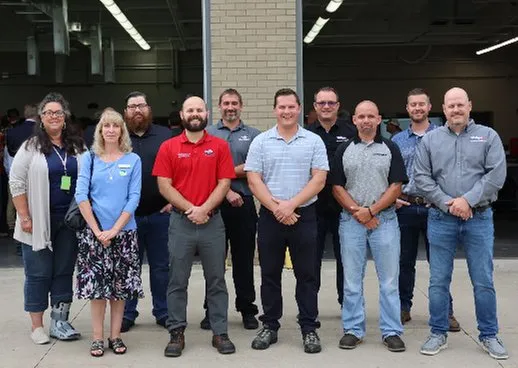
Since 1912, Wilkes Plumbing & Heating has been the trusted mechanical contractor for Huron, OH, and the surrounding communities. Founded by Franklin W. Wilkes, our family of highly trained and license...
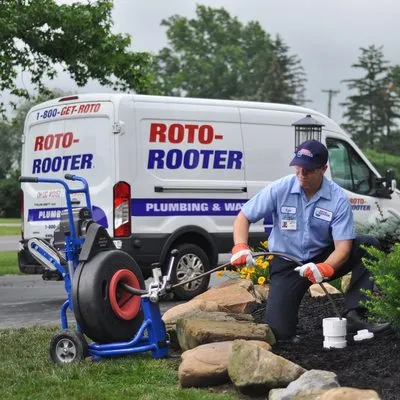
Roto-Rooter Plumbing & Water Cleanup
When Elyria homeowners and businesses need plumbing help, they call Roto-Rooter Plumbing & Water Cleanup. We are a fully staffed, local team available around the clock, 24 hours a day, 7 days a week, ...

Shur Flow Plumbing is a trusted, locally-owned plumbing and remodeling service based in Cleveland, OH, now under new management with a dedicated focus on community service. Our team brings over 30 yea...
Mr. Rooter Plumbing of Cleveland
Mr. Rooter Plumbing of Cleveland provides reliable plumbing services from our base in Valley View, OH. Since its founding in 1970, the Mr. Rooter brand has been built on a commitment to honest pricing...
R & R Mechanical is a Cleveland-based, MBE & EDGE certified mechanical services provider founded in 1986. With a team of licensed and insured plumbers boasting over a century of combined experience, t...
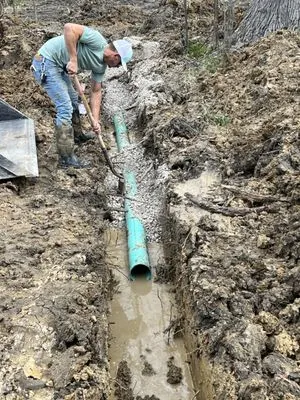
Westside Drain & Utility is a trusted plumbing and excavation contractor serving Grafton, Ohio, with over 20 years of experience. Starting with a couple hundred jobs in their first year, they've grown...
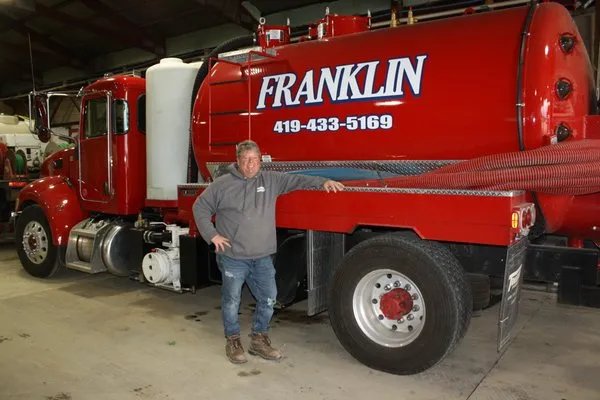
Franklin Sanitation is a family-owned plumbing and sanitation service proudly serving Huron, OH, and the surrounding Erie and Ottawa Counties since 1952. Now operated by third-generation owner Greg, w...
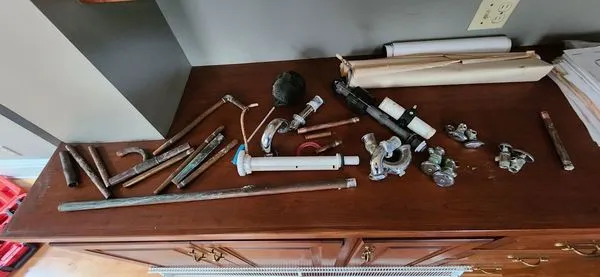
Polaris Plumbing Solutions is a locally owned and operated plumbing company serving Huron, OH, and surrounding areas. We provide reliable plumbing services for both residential and commercial customer...
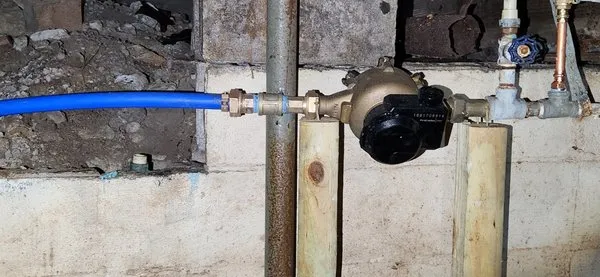
American Plumbing & Sewer is Fremont's trusted, full-service plumbing company. We help homeowners and businesses tackle everything from routine repairs to major installations, including drain work, wa...
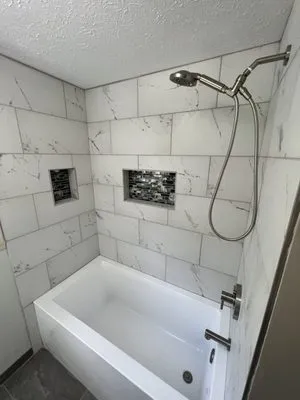
LM Home Improvement & Renovation LLC is a Norton-based contractor dedicated to transforming homes throughout the community. We specialize in comprehensive interior remodeling, with a strong focus on b...
Estimated Plumbing Costs in Wakeman, OH
Frequently Asked Questions
Who handles permits and inspections for plumbing work in Huron County?
I coordinate directly with the Huron County Building Department for all required permits. My Ohio Department of Commerce Division of Industrial Compliance credentials ensure work meets state plumbing code standards. This includes proper documentation for well modifications, septic system repairs, and major plumbing installations. Handling this red tape means homeowners avoid bureaucratic delays and ensure their projects proceed smoothly.
Why are my copper pipes suddenly failing in my Wakeman home?
Copper plumbing installed around 1968 is now 58 years old. Homeowners in Wakeman Village Center are seeing pinhole leaks and joint failures as the pipes reach this age. The copper has experienced decades of water flow and mineral interaction, thinning the pipe walls. This aging process accelerates in our hard water conditions, leading to unexpected leaks in walls and ceilings.
What causes those tiny leaks in my older copper plumbing?
Pinhole leaks develop in 1968-era copper pipes due to decades of internal corrosion and scale buildup. The hard water in Wakeman accelerates this process, creating weak spots that eventually perforate. Joint calcification also occurs where fittings meet, restricting water flow and creating pressure points. These failures typically manifest first in hot water lines and areas with frequent temperature changes.
How does our well water affect my home's plumbing fixtures?
Private wells in Wakeman deliver hard water with high mineral content that causes scaling. This buildup accumulates inside water heaters, reducing efficiency and shortening their lifespan. Fixtures like faucets and showerheads develop restricted flow as mineral deposits clog internal passages. The scale also accelerates corrosion in copper pipes and can damage appliance valves over time.
How does rural living in Wakeman affect my septic and well systems?
Rural properties here rely on private septic systems and wells that require different maintenance than municipal services. Septic tanks need regular pumping every 3-5 years depending on household size. Well components like pressure tanks and pumps require monitoring for proper operation. The distance between structures also means longer pipe runs that can develop leaks at connection points over time.
How quickly can a plumber reach my Wakeman property during an emergency?
Heading past Wakeman Elevator on US-20, our dispatch route covers most local calls within 45-60 minutes. We monitor traffic patterns and weather conditions to optimize response times. This routing allows us to serve both village center properties and rural homes efficiently. We maintain communication throughout the drive to provide accurate arrival estimates.
Does Wakeman's flat terrain cause any plumbing issues?
The plain terrain around Wakeman Elevator creates drainage challenges during heavy rains or snowmelt. Water tends to pool rather than run off, potentially saturating soil around foundation drains. This puts lateral stress on main sewer lines as the ground shifts with moisture changes. Proper grading away from foundations becomes crucial to prevent water intrusion into basements and crawl spaces.
What should I do to prepare my plumbing for Wakeman's winter temperatures?
With lows reaching 18°F in our Snow Belt climate, insulate exposed pipes before the first freeze. Disconnect and drain outdoor hoses, then shut off exterior water valves. Keep cabinet doors open to allow warm air to circulate around pipes during cold snaps. Monitor for leaks during spring thaw when frozen pipes thaw and reveal weaknesses developed over winter.
