Top Emergency Plumbers in Union, OH, 45102 | Compare & Call

There are 180 plumbing companies server in Union OH
AJ's Home Improvement Services is a trusted, full-service contractor serving Covington, KY homeowners with comprehensive plumbing, installation, and outdoor maintenance solutions. We specialize in add...
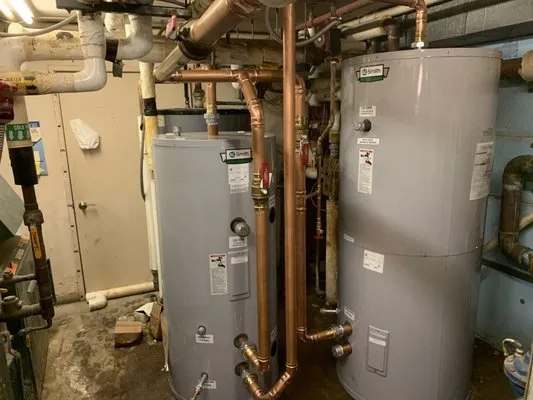
RCG Plumbing is a state-licensed plumbing service based in Springfield, OH, founded in 2021 by owner Robert. With over 13 years of industry experience, Robert brings specialized training from his time...
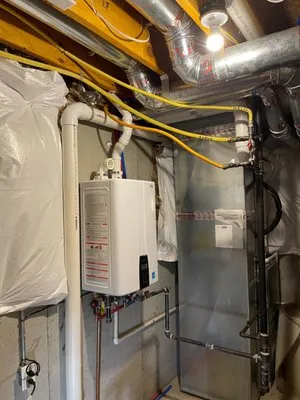
Advantage Plumbing Heating & Air
Advantage Plumbing Heating & Air is a licensed, locally-owned provider serving Vandalia, OH, with comprehensive plumbing and HVAC solutions. We specialize in new system installations for heating, air ...
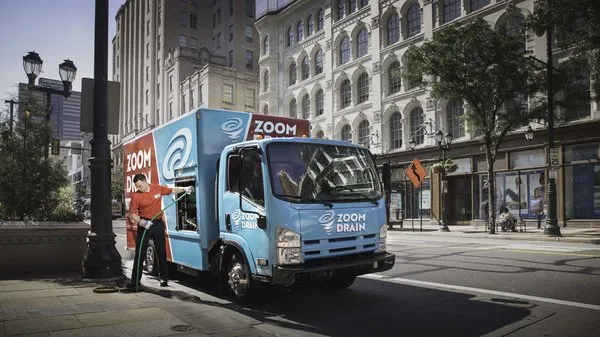
Zoom Drain in Hillsboro, OH is a family-owned plumbing service operated by Ohio natives Lannae and Alex Greene. This mother-son team brings a personal touch to drain and sewer solutions, with Alex's e...
Honest Abe’s Handyman Services
Honest Abe's Handyman Services is a family-owned business in Middletown, OH, founded on integrity and hard work. It started when the owner, facing his wife's cancer diagnosis and mounting bills, turne...
Precision Plumbing, Heating & Air
Precision Plumbing, Heating & Air is a family-founded and operated business serving Fairborn and the greater Dayton area. Established by the oldest of three brothers, our company has built its reputat...
For over a decade, Favorite Excavation & Piping has been the trusted local choice for plumbing, excavation, and concrete work in Morrow, OH, and the surrounding Tri-state area. As a fully licensed and...
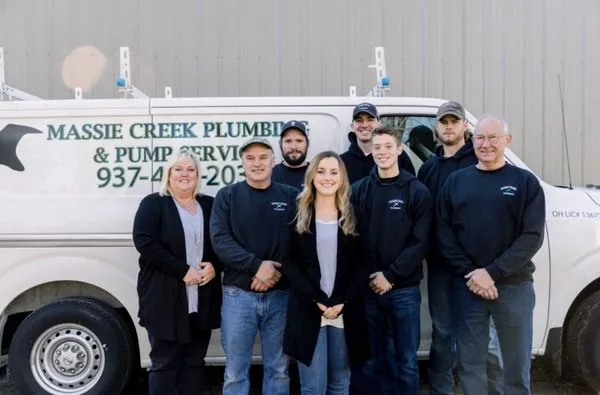
Massie Creek Plumbing
Massie Creek Plumbing is your trusted local plumbing partner in Beavercreek, OH. Founded in 2016, our bonded and certified team brings over 40 years of combined experience to every job. We specialize ...
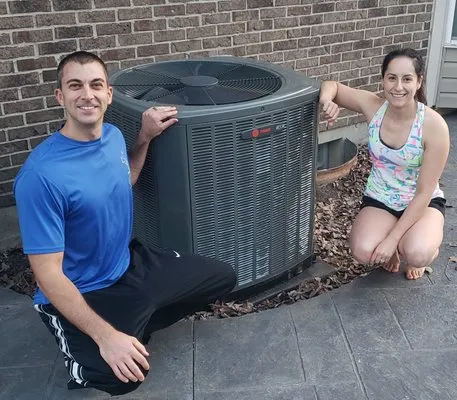
Logan Services A/C, Heat & Plumbing
Logan Services is a family-owned HVAC and plumbing company serving Vandalia, OH, and the Miami Valley since 1969. Acquired by the Meyer family in 2001, we continue to operate as a local, trusted provi...
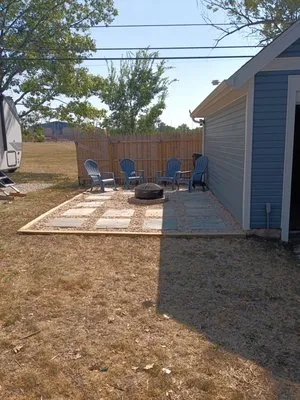
All Aspects Home Renovations is a Germantown-based contractor with over 35 years of experience across all home improvement trades. Owner Jason leads a team that prioritizes clear communication and rel...
Estimated Plumbing Costs in Union, OH
Questions and Answers
Could the flat land around here cause plumbing issues?
The plain terrain means there's very little natural slope for drainage. If your home's main sewer lateral doesn't have a precise, consistent grade away from the house, waste can slow down and allow solids to settle, leading to recurrent clogs. This is a common issue in areas like near Aullwood where the soil is dense. It places constant, low-grade stress on the main line, making proper installation and occasional jetting critical.
Do I need a permit to replace my water heater in Union?
Yes, the City of Union Building Department requires a permit for water heater replacement to ensure the new installation meets current code for pressure relief valves, expansion tanks, and seismic straps. As a Master Plumber licensed by the Ohio Construction Industry Licensing Board, I pull the permit, schedule the inspection, and handle all the red tape so you don't have to. This protects your home's insurance coverage and resale value.
How long does it take for a plumber to get to my house in Union?
From our shop near Aullwood Garden MetroPark, we take I-70 eastbound. Heading past the park and merging onto the interstate typically puts us in most parts of Union within a 20–30 minute window, even during regular traffic. We plan our dispatch routes to use the highway system efficiently to minimize your wait during an emergency.
As a suburban homeowner, what's my biggest plumbing risk?
Your lateral sewer line, the pipe that connects your home to the city main under the street, is your responsibility. In our suburban setting, the primary threat is usually root intrusion from mature trees seeking moisture. Even small cracks at pipe joints can invite roots that eventually cause complete blockages. Municipal water pressure is generally consistent here, so sudden pressure changes usually indicate an issue on your property's side of the meter.
What kind of plumbing problems can I expect in my 1970s Union Village home?
Your copper pipes are about 50 years old. At this age, the protective lining inside the pipe can wear thin from decades of our hard water. Homeowners in Union Village are now seeing a pattern of pinhole leaks, often first appearing at pipe elbows and joints where water flow creates turbulence and accelerates wear. This isn't a fluke; it's the expected service life for that era of copper in our water conditions.
What should I do to prepare my plumbing for winter in Union?
Our temperate climate means the real risk isn't sustained deep freeze, but the rapid drop to our average low of 21°F. A specific pro-tip is to disconnect and drain your garden hoses before the first hard freeze, and ensure the interior shut-off valve for any exterior faucets is fully closed. Insulating pipes in unheated crawl spaces or garages is more critical here than burying lines deep, as our ground freeze is typically shallow.
Does the Great Miami River water affect my home's plumbing?
Yes, directly. The municipal supply drawn from the Great Miami River is very hard. That dissolved calcium and magnesium deposits as scale inside pipes and appliances. Over time, this scale buildup constricts flow in fixtures and, most critically, insulates the heating elements in your water heater, forcing it to work harder and fail prematurely. You'll see the white crust on showerheads first.
Why are my copper pipes suddenly springing leaks?
Copper pipes installed around 1976 are prone to pinhole leaks due to a process called Type 2 pitting corrosion. Our area's hard, mineral-rich water interacts with the copper over decades, creating localized spots of weakness that eventually perforate. These leaks often start in hot water lines first, as the heat accelerates the chemical reaction, and are most common in horizontal runs behind walls.
