Top Emergency Plumbers in Trotwood, OH, 45309 | Compare & Call

There are 240 plumbing companies server in Trotwood OH
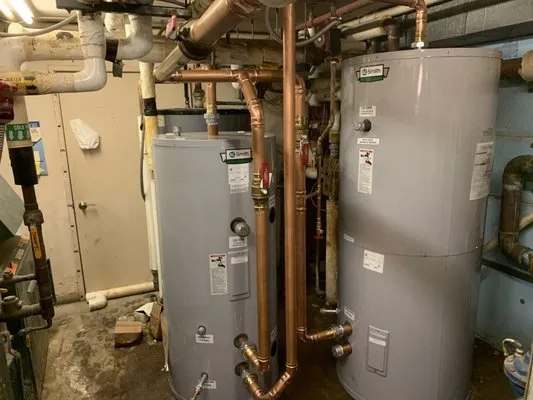
RCG Plumbing is a state-licensed plumbing service based in Springfield, OH, founded in 2021 by owner Robert. With over 13 years of industry experience, Robert brings specialized training from his time...
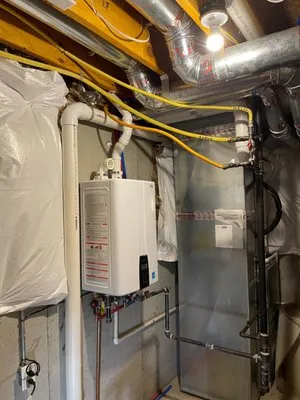
Advantage Plumbing Heating & Air
Advantage Plumbing Heating & Air is a licensed, locally-owned provider serving Vandalia, OH, with comprehensive plumbing and HVAC solutions. We specialize in new system installations for heating, air ...

Apollo Home
Apollo Home has been serving Cincinnati and Northern Kentucky homeowners since 1910, providing reliable HVAC, plumbing, and electrical services. As a locally-owned company with deep roots in the commu...
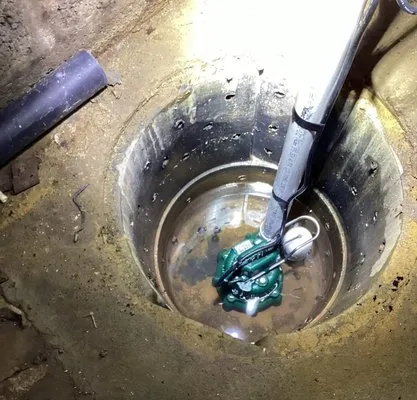
American Plumbing Solutions serves Maineville, Ohio, with reliable and transparent plumbing services. We believe in straightforward communication, providing clear, upfront pricing before any work begi...
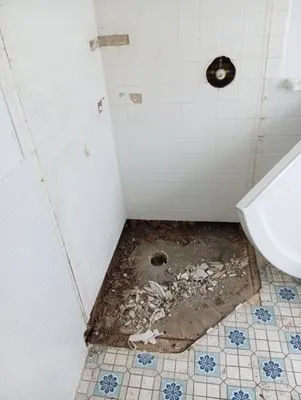
Sureflow Plumbing
Sureflow Plumbing is a family-owned and operated plumbing service based in Monroe, OH, with over 17 years of experience as a Master Plumber. We provide reliable, honest, and budget-friendly plumbing s...
Brighter Days Maintenance is a trusted, full-service remodeling and plumbing contractor serving Hamilton, OH, and the surrounding area. We specialize in resolving the common local plumbing headaches h...
Zoom Drain in Hillsboro, OH is a family-owned plumbing service operated by Ohio natives Lannae and Alex Greene. This mother-son team brings a personal touch to drain and sewer solutions, with Alex's e...
Honest Abe’s Handyman Services
Honest Abe's Handyman Services is a family-owned business in Middletown, OH, founded on integrity and hard work. It started when the owner, facing his wife's cancer diagnosis and mounting bills, turne...
Precision Plumbing, Heating & Air
Precision Plumbing, Heating & Air is a family-founded and operated business serving Fairborn and the greater Dayton area. Established by the oldest of three brothers, our company has built its reputat...
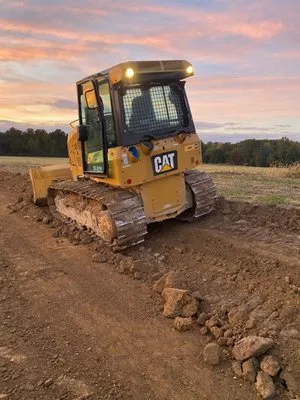
For over a decade, Favorite Excavation & Piping has been the trusted local choice for plumbing, excavation, and concrete work in Morrow, OH, and the surrounding Tri-state area. As a fully licensed and...
Estimated Plumbing Costs in Trotwood, OH
Questions and Answers
Could the flat land around here cause plumbing problems?
The plain terrain means drainage relies on proper grading and municipal sewer slope. Around areas like the former Hara Arena, soil settlement over decades can put stress on the main sewer line running from your house to the street. This stress can lead to a belly or a break in the line, causing persistent slow drainage and backups. It's a common issue we inspect for with a camera line during home purchases.
Do I need a permit to replace my water heater in Trotwood?
Yes, the Trotwood Planning and Development Department requires permits for water heater replacements to ensure proper pressure relief valve and venting codes are met. As a master plumber licensed by the Ohio Construction Industry Licensing Board, I pull these permits, schedule the required inspections, and handle all the red tape. This protects your home insurance and ensures the installation meets current safety standards for our community.
As a suburban homeowner, what are my main plumbing concerns?
Municipal water pressure is generally stable, but the critical vulnerability is your private sewer lateral. Tree roots from mature yards seek moisture and can infiltrate the older clay or cast iron lines common in these subdivisions, causing blockages. Another concern is ensuring your home's internal shut-off valve is in working order; many original gate valves from the 60s are now frozen open and need replacement with a reliable ball valve.
Why are my Trotwood neighbors suddenly dealing with rusty water and low pressure?
Homes around Trotwood Center built in the 1960s are hitting a 62-year mark for their original galvanized steel pipes. This material has a lifespan of about 50-70 years. We're now at the stage where the interior zinc lining has completely worn away, exposing the raw steel to corrosion and mineral buildup from our hard water. The result is a sudden increase in rust-colored water, severe flow restriction, and pinhole leaks appearing in walls and basements.
How quickly can a plumber get to my house in Trotwood?
A local shop can typically dispatch a truck within 20-30 minutes. From our central location, the route often involves heading past the old Hara Arena site onto US-35, which provides direct access to most Trotwood neighborhoods. We factor in local traffic patterns to ensure a reliable arrival window, so you're not left waiting with a burst pipe or a flooded basement.
What should I do to prepare my plumbing for a Trotwood winter?
Our temperate climate still sees lows around 21°F, and the spring thaw is the real pressure test for pipes. The pro-tip is to disconnect and drain outdoor hoses by late November and insulate any exposed pipes in unheated crawl spaces. Pay special attention to the pipe leading to your exterior hose bib; shutting off its interior valve and draining it is the best way to prevent a freeze rupture during a cold snap.
Does Trotwood's hard water damage my appliances?
Yes, the mineral content from the Great Miami River aquifer accelerates wear. In water heaters, scale acts as an insulator, forcing the unit to work harder and fail prematurely. For fixtures and valves, mineral deposits cause seals to degrade and cartridges to stick. A whole-house water softener is the standard recommendation here to protect your investment in appliances and plumbing fixtures.
What's happening to the pipes in my 1960s Trotwood home?
Galvanized steel from 1964 is failing in two predictable ways. First, internal scale buildup from decades of hard water has narrowed pipes to the diameter of a pencil, choking your water pressure. Second, the steel itself is corroding from the inside out, leading to pinhole leaks that often appear first at threaded joints and fittings. These leaks can be slow and hidden inside walls for months before causing visible damage.
