Top Emergency Plumbers in Thornville, OH, 43076 | Compare & Call

There are 116 plumbing companies server in Thornville OH

Buckeye Plumbing & Drains is your local, licensed plumbing and septic expert serving Orient and the surrounding central Ohio communities. We know plumbing problems are stressful, which is why our appr...

XCEL Plumbing & Drains is a locally owned and operated plumbing service dedicated to serving the residents of Columbus, Ohio. We understand that plumbing problems can disrupt your home and your day. O...
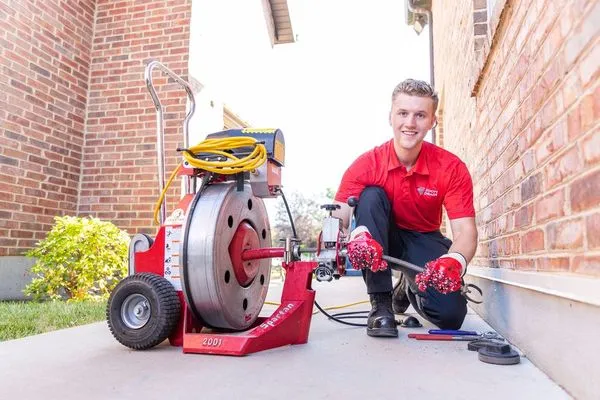
Zoom Drain in Powell, OH, is your local specialist for resolving stubborn drain and sewer issues. Our fully equipped service trucks arrive prepared for anything, featuring advanced video inspection te...

Flush Drains & JFM Excavations has been serving Columbus, OH, for over 20 years as a trusted plumbing and excavation contractor. We provide reliable, professional services at reasonable rates, special...

Mid City Property Pros is a Columbus-based home service company specializing in handyman, electrical, and plumbing work. We help local homeowners with repairs, installations, and maintenance, from fix...

Handyman 24 7 is a full-service home maintenance and repair company serving Columbus, OH, and surrounding areas. We provide a comprehensive range of solutions, from simple handyman tasks like furnitur...
Roto-Rooter Plumbing & Water Cleanup
For over 85 years, Roto-Rooter has been the trusted name for plumbing and water cleanup in Columbus, OH. We are a locally operated team of licensed, background-checked professionals who understand the...
At Greene's Plumbing Service in Columbus, OH, we believe if a job's worth doing, it's worth doing right. That commitment to quality is the foundation of every repair and installation we handle for our...
Mr Rooter
Mr. Rooter in Blacklick is your local, trusted plumbing partner. With a history dating back to 1970 and a commitment to honest pricing and quality workmanship, we bring decades of expertise directly t...

American Mechanical Group
American Mechanical Group has been a trusted family-owned service provider in Ohio since 1945. Based in Columbus and also serving Dayton, our team of 22 skilled technicians is equipped to handle your ...
Estimated Plumbing Costs in Thornville, OH
Frequently Asked Questions
Does Buckeye Lake water cause problems for home plumbing systems?
Water drawn from Buckeye Lake sources contains high mineral content that leads to significant scale buildup. This hard water deposits calcium and magnesium inside pipes and appliances, reducing water flow and efficiency. Water heaters suffer most - scale insulates heating elements, forcing them to work harder while reducing tank capacity. Fixtures develop reduced pressure, and showerheads clog with mineral deposits that require regular cleaning.
What should I do each spring to prevent plumbing problems in Thornville?
Spring thaw brings rapid temperature shifts that stress plumbing systems. Before temperatures consistently stay above freezing, check all exposed pipes in crawl spaces and basements for existing leaks that may worsen. Insulate pipes in unheated areas, and ensure downspouts direct water away from your foundation. Monitor water pressure during thaw periods - sudden increases can reveal weak spots in older pipes before they become emergencies.
How quickly can a plumber reach my Thornville home in an emergency?
From our base near Buckeye Lake, we take State Route 13 directly toward Thornville Village Center. Heading past Buckeye Lake on State Route 13, we follow the main corridor through the rural landscape, typically reaching most Thornville addresses within 45-60 minutes. We maintain radio contact during transit to provide accurate arrival estimates and prepare for the specific issue you're facing.
Are there special plumbing considerations for rural Thornville homes?
Rural Thornville properties typically rely on well water and septic systems rather than municipal services. Wells require regular maintenance of pumps and pressure tanks, while septic systems need periodic inspection of drain fields, especially in areas with clay soil. Water quality testing becomes crucial since there's no municipal treatment. Whole-house filtration systems often prove necessary to address the hard water common to local wells drawing from Buckeye Lake aquifers.
How does Thornville's hilly landscape affect my home's plumbing?
The sloping terrain around Buckeye Lake creates drainage challenges that impact plumbing infrastructure. Downhill properties experience increased hydrostatic pressure on main sewer lines, while uphill homes may struggle with inadequate water pressure. Soil movement on slopes can stress underground pipes, causing joints to separate or pipes to crack. Proper grading around your foundation is essential to prevent water from following natural slopes toward your home's plumbing penetrations.
My Thornville home was built around 1978 - should I be worried about my plumbing?
Copper pipes installed in 1978 are now 48 years old, which is near the end of their typical service life. Homeowners in Thornville Village Center are seeing pinhole leaks appearing in straight pipe sections, especially where pipes run through unheated crawl spaces. The copper has thinned from decades of water flow and mineral interaction. These small leaks often start as damp spots on drywall before developing into steady drips that require immediate attention.
What permits or regulations apply to plumbing work in Perry County?
Perry County Building Department requires permits for most plumbing modifications, including water heater replacements and sewer line repairs. As a master plumber licensed through the Ohio Construction Industry Licensing Board, I handle all permit applications and inspections required by local code. This ensures your project meets current standards while protecting your home's value. You avoid the red tape while maintaining proper documentation for future sales or insurance claims.
Why do my 1970s copper pipes keep springing leaks in different spots?
Copper pipes from the late 1970s often develop pinhole leaks due to a combination of age and local water chemistry. The interior surface becomes pitted over decades, creating weak points that eventually perforate. In Thornville homes, these failures frequently occur at solder joints where dissimilar metals meet, or in horizontal runs where sediment accumulates. The problem compounds as each repair creates new stress points in the aging system.
