Top Emergency Plumbers in Swan Creek, OH, 43515 | Compare & Call

There are 237 plumbing companies server in Swan Creek OH

Fayette Heating & Air
Fayette Heating & Air is a family-owned HVAC, electrical, and plumbing company serving Lexington and Central Kentucky since 1971. As a second-generation business, we provide reliable residential and c...

Drain Works Plumbing has been Mount Sterling's reliable plumbing partner for over 20 years. As a fully licensed local business, we specialize in comprehensive residential plumbing services—from routin...

Loy Plumbing is a trusted, full-service plumbing company serving Morehead, KY, and surrounding areas. With expertise in everything from bathtub and shower installations to sewer line repairs and water...
Colosi Plumbing has been serving the Winchester, KY community for years, providing reliable solutions for local plumbing challenges. Homeowners in our area frequently deal with low water pressure and ...

All-Pro Plumbing has been serving Prestonsburg and Eastern Kentucky since 2007, when we combined two smaller companies to create a comprehensive plumbing service. With over 12 years in business, we ge...
CCP Plumbing is your trusted local plumbing expert serving Lakeview Heights, KY, and surrounding areas. We specialize in comprehensive plumbing solutions, from routine repairs to full installations, h...

At Harris Plumbing Services in Jeffersonville, KY, we approach every job with a passion for the craft, backed by the expertise of a Master and Journeyman license holder in the state of Kentucky. Wheth...
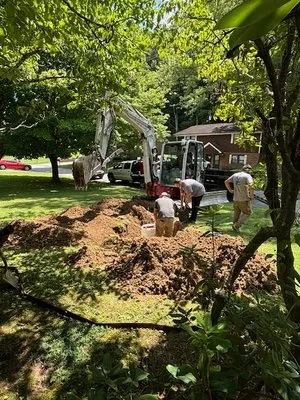
Laurel Creek Plumbing
Serving Vanceburg and Northeastern Kentucky for over 25 years, Laurel Creek Plumbing provides reliable plumbing solutions for homes and businesses. Our experienced team specializes in everything from ...
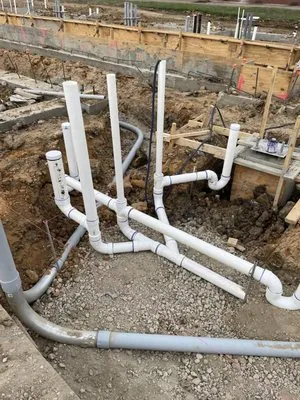
Spot on Johnny is a dedicated plumbing and construction service based in David, KY, where owner Johnny personally oversees every project from start to finish. With extensive experience across plumbing...
Ashland Plumbing Sewer & Drain Cleaning Service has been serving the Ashland, Kentucky community for years, building a reputation for reliable plumbing solutions. Our team of trained technicians provi...
Estimated Plumbing Costs in Swan Creek, OH
Questions and Answers
My plumbing is acting up. Is it just because my house is older?
Homes built around 1982, common in Swan Creek Village, have copper plumbing that is now about 44 years old. At this age, the interior walls of the pipe have endured decades of water flow and mineral interaction. What you're likely seeing are persistent pinhole leaks, often at solder joints or where the pipe wall has thinned from internal corrosion. This is a predictable lifecycle issue for copper of this vintage.
Could the flat land here cause drainage problems for my pipes?
The plain terrain around Oak Openings Preserve means there's very little natural slope for drainage. If your home's main sewer line has even a slight belly or sag, waste water and solids can settle there instead of flowing freely to the municipal main. This often requires more frequent drain cleaning and can put long-term stress on the pipe from constant debris accumulation.
How quickly can a plumber get to Swan Creek in an emergency?
Dispatch time depends on your exact location. From our shop, the typical route heads past Oak Openings Preserve onto US-20A, which is the main artery into the area. Traffic is usually light, but a 45 to 60 minute response window is standard for a service call to ensure we have the right parts on the truck for common local issues.
Do I need a permit to replace my water heater in Fulton County?
Yes, Fulton County Building Department requires a permit for water heater replacement to ensure the installation meets current safety and code standards. As a Master Plumber licensed by the Ohio Construction Industry Licensing Board, I pull that permit, schedule the inspection, and handle all the red tape. You get a code-compliant install without the administrative hassle.
Why do my copper pipes keep springing pinhole leaks?
Copper pipe installed in 1982 is susceptible to a specific failure mode called Type M pinhole corrosion. Over decades, the hard water's mineral content and the natural electrochemical process within the pipe can create weak spots. These often manifest first at joints or in horizontal runs, where sediment and scale can settle and accelerate the corrosion process.
Does Lake Erie water damage my water heater?
Indirectly, yes. The hard water drawn from the aquifer, influenced by the limestone bedrock around Lake Erie, carries a high mineral load. This causes rapid scale buildup inside your water heater's tank and on its heating elements. That scale acts as an insulator, forcing the unit to work harder, use more energy, and ultimately fail years earlier than it should.
What's the most important spring plumbing task here?
Before the spring thaw hits its peak, disconnect and drain your garden hoses. A hose left connected traps water in the exterior faucet and supply line. When overnight lows still dip near 18°F, that trapped water can freeze, expand, and crack the pipe inside your wall, leading to a major leak once it thaws. It's a simple five-minute job that prevents a very costly repair.
As a rural homeowner, what unique plumbing issues should I watch for?
Properties on private wells and septic systems face distinct challenges. Well components like the pressure tank and switch require periodic service, and hard water often necessitates a water softener to protect plumbing. For septic systems, neglecting routine pumping every 3-5 years is the most common cause of drain field failure and backups into the home.
