Top Emergency Plumbers in Sprigg, OH, 45105 | Compare & Call

There are 27 plumbing companies server in Sprigg OH
Serving Cynthiana and Harrison County, Courtney's is your trusted local plumbing expert. We provide a full range of residential and commercial plumbing services, from emergency repairs to complete ins...

Lil Jon's Plumbing
Lil Jon's Plumbing is a locally owned and operated plumbing company serving Mount Sterling and Lexington, KY, with over a decade of experience. We specialize in residential and commercial plumbing ser...

Loy Plumbing is a trusted, full-service plumbing company serving Morehead, KY, and surrounding areas. With expertise in everything from bathtub and shower installations to sewer line repairs and water...
RBS Mechanical and Handyman Service
RBS Mechanical and Handyman Service is a locally-owned and operated team of experienced tradesmen serving Florence, KY. Founded by professionals who left larger corporate contractors, we built our bus...
J&J Enterprises is a locally owned and operated remodeling company proudly serving Falmouth, Lexington, and Northern Kentucky. Founded on a lifelong passion for craftsmanship, owner J&J started with s...

S L Ginn & Sons Plumbing is a family legacy serving Vanceburg and the surrounding communities since 1957. It began when B L Ginn and his son, Sam, started installing gas lines for local residents, who...
Blake Ginn Plumbing is a family-owned plumbing business serving Vanceburg, KY, with deep roots in the community. Founded in 1957 by Samuel Ginn and his father B L Ginn when gas lines first arrived in ...
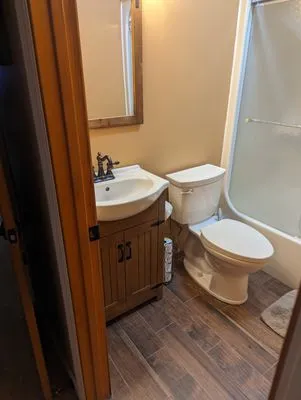
Down The Drain is your trusted local plumbing expert serving Foster, KY, and surrounding areas. We specialize in comprehensive plumbing solutions, from bathtub and sink installations to sewer repairs ...
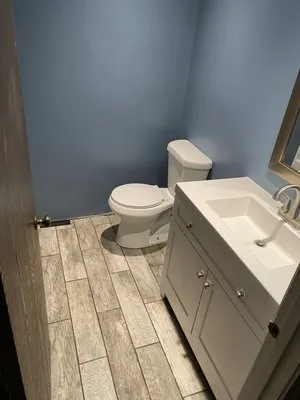
Riggs To The Rescue is a family-run, locally owned plumbing and remodeling company serving Florence, KY, and the surrounding Northern Kentucky communities. We take pride in building lasting relationsh...
McNutt Plumbing is a trusted local plumbing service in Maysville, KY, dedicated to helping homeowners tackle common plumbing challenges. We specialize in thorough plumbing inspections to identify and ...
Estimated Plumbing Costs in Sprigg, OH
Question Answers
Are septic systems different in rural Sprigg than city sewer?
Rural properties here typically have septic systems and private wells rather than municipal connections. Septic tanks need pumping every 3-5 years depending on household size, and drain fields require proper soil percolation tests. Well pumps and pressure tanks need regular maintenance since there's no city water pressure to rely on.
Does Ohio River water damage plumbing fixtures over time?
Hard water from the Ohio River deposits scale inside pipes and appliances. Water heaters accumulate mineral buildup on heating elements, reducing efficiency by 30-40% over several years. Fixtures develop restricted flow as aerators clog with calcium deposits. Installing a whole-house water softener extends the life of your plumbing system significantly.
How quickly can a plumber reach Sprigg from the Ohio River area?
Heading past the Ohio River on US-52, the dispatch route takes 45-60 minutes depending on traffic and specific location in Sprigg. This route follows the main artery through Adams County, allowing efficient access to both Sprigg Center and outlying properties. Knowing this timing helps plan service calls around peak demand periods like spring thaw.
Who handles permits for plumbing work in Adams County?
The Adams County Building Department requires permits for most plumbing modifications. As a master plumber licensed by the Ohio Construction Industry Licensing Board, I handle the red tape so you don't have to. Proper documentation ensures your work meets current code standards and protects your home's value during future inspections or sales.
How does hilly terrain affect plumbing in Sprigg?
The slope toward the Ohio River creates drainage challenges that stress main sewer lines. Gravity pulls wastewater downhill, but soil shifting on inclines can misalign pipes or create low spots where debris collects. Proper grading around your foundation directs surface water away from the main line, preventing backups during heavy rains.
What causes those tiny leaks in older copper pipes?
Pinhole leaks develop in 52-year-old copper due to corrosion from hard water minerals and electrolytic action between dissimilar metals. Without dielectric unions, which weren't standard in 1974 installations, galvanic corrosion eats through pipe walls. This creates small holes that spray water under pressure, often hidden inside walls until damage appears.
Why are so many Sprigg homes having plumbing problems lately?
Copper plumbing installed around 1974 is now 52 years old. Homeowners in Sprigg Center are seeing pinhole leaks and joint failures as the pipes reach the end of their typical lifespan. This age-related deterioration happens gradually, then accelerates once the protective lining inside the copper wears thin. Regular inspections can catch these issues before they become emergencies.
What should Sprigg homeowners do before spring thaw hits?
Insulate exposed pipes before temperatures drop to 22°F, paying special attention to crawl spaces and exterior walls. Drain outdoor spigots and disconnect hoses to prevent freeze damage. Check your main shutoff valve operates smoothly—this simple test during temperate weather prevents panic when pipes burst during rapid temperature swings.
