Top Emergency Plumbers in Sagamore Hills, OH, 44067 | Compare & Call

There are 239 plumbing companies server in Sagamore Hills OH

ExpertPipe Rooter is a family-owned plumbing service based in Cleveland, OH, dedicated to providing reliable and transparent solutions for residential plumbing needs. We specialize in a comprehensive ...
W F Hann & Sons
W F Hann & Sons has been a trusted provider of HVAC, plumbing, and electrical services in Northeast Ohio since 1907. Based in Warrensville Heights, our family-owned company offers reliable installatio...
Sal's Heating & Cooling, Plumbing & Sewer
Sal's Heating & Cooling, Plumbing & Sewer has been serving North Royalton and surrounding communities since 1975. Founded by Sal Sidoti Sr. and now led by his son Sal Sidoti, this family-owned busines...
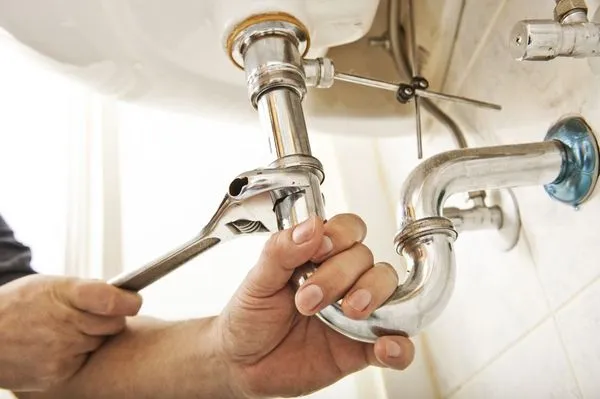
CS Sewer Drain and Plumbing is a trusted, family-owned plumbing service proudly serving North Ridgeville and the surrounding Northeast Ohio communities. With over 75 years of combined hands-on experie...
1-800-Plumber +Air
1-800-Plumber +Air of Valley View is your locally owned and operated plumbing and HVAC partner, backed by the resources of a trusted national brand. We're a family business serving our neighbors with ...
Plumbing 911 is a family-owned and operated plumbing service serving Akron and Northeast Ohio since 2010. Founded by Master Plumber Keith Miller and his wife Karen, the business is built on a simple p...
Action Plumbing is a trusted local plumbing service in Broadview Heights, OH, with a deep-rooted family history in the trade. As a fourth-generation licensed plumber, we bring over 30 years of hands-o...
Your Home Handyman in Cuyahoga Falls is your local, trusted expert for plumbing and electrical projects. With roots in the community dating back to the 1970s, I began my career as a plumber's helper, ...
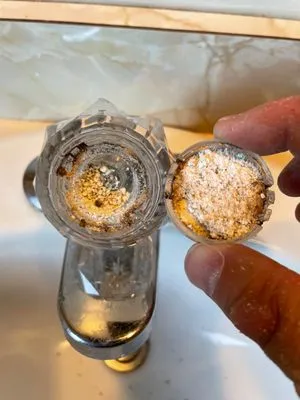
For Fairview Park homeowners dealing with plumbing issues, Royal Flush Plumbing offers reliable, expert service. Founded in 2004, we provide a comprehensive range of solutions from routine faucet repa...
Jennings Heating, Cooling, Plumbing & Electric
Jennings Heating, Cooling, Plumbing & Electric has been a trusted home services provider in Akron since 1931. Originally founded by the Jennings brothers, the company has grown from a coal supplier in...
Estimated Plumbing Costs in Sagamore Hills, OH
Common Questions
What's the most common plumbing failure in a 1970s Sagamore Hills home?
Pinhole leaks in copper lines are the most frequent call. After nearly five decades, mineral scale from our hard water creates a corrosive environment inside the pipe wall, leading to these failures. You'll often find them first on horizontal hot water runs in the basement ceiling. Another issue is joint calcification, where solder connections become brittle and can fail if the pipe is disturbed.
Why are Sagamore Hills homes built in the late 70s having so many plumbing problems now?
Copper pipe installed around 1979 is now about 47 years old, which is a typical lifespan for this material under our conditions. In Sagamore Heights, homeowners are often seeing a second wave of pinhole leaks, especially in hot water lines where thermal cycling has stressed the metal. This isn't a material defect, but a natural end-of-service life for that generation of pipe. Repairs are now shifting from isolated fixes to full re-piping projects for many of these original systems.
How fast can a plumber get to me for an emergency in Sagamore Hills?
Our dispatch route from the Brandywine Falls area typically puts us on I-271 within minutes. Heading past the falls and onto the interstate avoids most local traffic snarls, allowing for a consistent 20 to 30 minute response to most parts of the township. We plan routes based on real-time traffic to ensure we're there when you need us.
Does Lake Erie water cause specific problems for my home's plumbing?
The mineral content from the lake results in very hard water. This leads to significant scale buildup inside pipes, water heaters, and fixtures. In a water heater, scale acts as an insulator on the heating elements, forcing the unit to work harder and fail sooner. For fixtures, it clogs aerators and showerheads. Installing a whole-house water softener is the most effective long-term defense for your appliances and plumbing.
Do I need a permit from the township to replace my water heater?
Yes, Sagamore Hills Township Building Department requires a permit for water heater replacement. As a Master Plumber licensed by the Ohio Construction Industry Licensing Board, I pull all necessary permits, schedule the inspections, and ensure the installation meets current code for expansion tanks and drainage. Handling this red tape is part of the job so you don't have to navigate it yourself.
What's one thing I should do every winter to avoid a frozen pipe disaster?
Before temperatures consistently hit the 19-degree lows we see here, disconnect and drain all outdoor hoses. An attached hose holds water back into the bib's interior valve, which will freeze and split. This is a simple, critical step in our Snow Belt climate. Also, know the location of your main water shut-off valve in case a pipe does burst during a spring thaw.
Can the hilly land around here damage my sewer line?
Yes, the slope and soil movement common in areas like near Brandywine Falls can put stress on a main sewer line. Over decades, this settling can cause the pipe to belly or separate at joints. A belly creates a low spot where waste collects and causes blockages. If you have recurring drain issues, it's worth having a camera inspection to check the line's alignment through the property's slope.
As a suburban homeowner, what sewer line issues should I watch for?
The primary concern is tree roots infiltrating the lateral line that runs from your house to the municipal main. Even with copper supply lines, the sewer lateral is typically clay or PVC and vulnerable at the joints. Slow drains in multiple fixtures are a key sign. Municipal water pressure is generally stable here, but a sudden drop could indicate a leak in the service line on your property.
