Top Emergency Plumbers in Rocky River, OH, 44116 | Compare & Call

There are 238 plumbing companies server in Rocky River OH

ExpertPipe Rooter is a family-owned plumbing service based in Cleveland, OH, dedicated to providing reliable and transparent solutions for residential plumbing needs. We specialize in a comprehensive ...
W F Hann & Sons
W F Hann & Sons has been a trusted provider of HVAC, plumbing, and electrical services in Northeast Ohio since 1907. Based in Warrensville Heights, our family-owned company offers reliable installatio...
Sal's Heating & Cooling, Plumbing & Sewer
Sal's Heating & Cooling, Plumbing & Sewer has been serving North Royalton and surrounding communities since 1975. Founded by Sal Sidoti Sr. and now led by his son Sal Sidoti, this family-owned busines...
CS Sewer Drain and Plumbing is a trusted, family-owned plumbing service proudly serving North Ridgeville and the surrounding Northeast Ohio communities. With over 75 years of combined hands-on experie...
Roto-Rooter Plumbing & Water Cleanup
Roto-Rooter Plumbing & Water Cleanup in Cleveland, OH is a trusted local provider of comprehensive plumbing and water damage services. With a team of dependable, fast, and friendly plumbers available ...
1-800-Plumber +Air
1-800-Plumber +Air of Valley View is your locally owned and operated plumbing and HVAC partner, backed by the resources of a trusted national brand. We're a family business serving our neighbors with ...

Plumbing 911 is a family-owned and operated plumbing service serving Akron and Northeast Ohio since 2010. Founded by Master Plumber Keith Miller and his wife Karen, the business is built on a simple p...
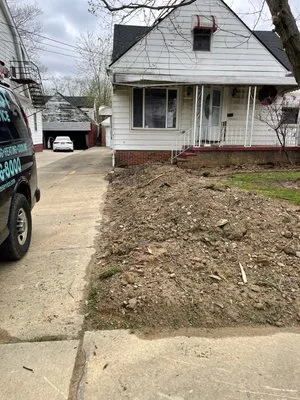
Steadfast Plumbing & Heating
Steadfast Plumbing & Heating is your trusted local partner for reliable plumbing and HVAC services in Eastlake, OH, and throughout Lake County. We are a licensed, full-service company committed to res...
On Demand Plumbing is your trusted, full-service plumbing contractor serving North Olmsted and the surrounding communities. We specialize in a comprehensive range of residential plumbing services, fro...
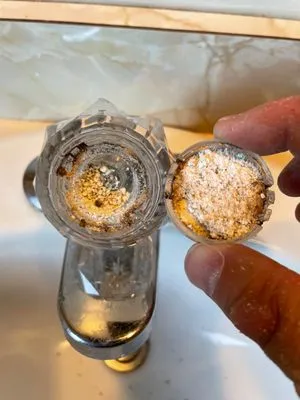
For Fairview Park homeowners dealing with plumbing issues, Royal Flush Plumbing offers reliable, expert service. Founded in 2004, we provide a comprehensive range of solutions from routine faucet repa...
Estimated Plumbing Costs in Rocky River, OH
Q&A
What permits do I need for a plumbing renovation in Rocky River?
The Rocky River Building Department requires permits for most plumbing work beyond basic repairs. As a master plumber licensed by the Ohio Construction Industry Licensing Board, I handle the red tape so you don't have to. This includes submitting plans, scheduling inspections, and ensuring all work meets current code requirements. Proper permitting protects your investment and maintains home value.
Does Lake Erie water damage my home's plumbing fixtures?
Lake Erie's hard water contains minerals that form scale deposits inside pipes and appliances. Water heaters accumulate sediment at the bottom, reducing efficiency and shortening lifespan by 3-5 years. Fixtures develop reduced flow from mineral buildup in aerators and valves. Installing a whole-house water softener can significantly extend your plumbing system's service life.
How quickly can a plumber reach my home in Rocky River during an emergency?
Heading past Rocky River Park on I-90 gets me to most addresses within 20-30 minutes. I keep a truck stocked with common repair parts for our area's older homes. For urgent issues like burst pipes or sewage backups, I prioritize same-day service. Regular maintenance calls can usually be scheduled within 48 hours.
Could my home's slope toward Rocky River Park cause drainage issues?
The coastal slope in our area creates natural drainage toward the lake, but it can stress main sewer lines. Gravity pulls wastewater downhill, but soil erosion around foundations may expose or damage buried pipes. During heavy rains, surface water can infiltrate older sewer systems through cracks. Proper grading around your foundation helps direct water away from critical plumbing infrastructure.
How do suburban plumbing systems differ in Rocky River?
Rocky River's municipal water pressure typically ranges 40-60 PSI, which is adequate for most homes but can stress older galvanized pipes. Tree roots from mature landscaping often infiltrate sewer laterals through small cracks, causing blockages. Most homes connect to city sewer lines, but some properties near the river may have unique drainage considerations requiring specialized assessment.
How long do galvanized steel pipes last in Rocky River homes?
Galvanized steel pipes installed around 1961 are now 65 years old. In Beach Cliff, homeowners are seeing frequent low water pressure, rust-colored water, and sudden leaks in basements or crawl spaces. The zinc coating that protects these pipes typically fails after 40-50 years, leaving bare steel exposed to corrosion. At this age, complete pipe replacement often becomes more cost-effective than repeated repairs.
What should I do before spring thaw to prevent plumbing problems?
Before temperatures rise above freezing, disconnect garden hoses and shut off exterior faucets from inside. Check crawl spaces and basements for pipes that may have developed hairline cracks during winter. Insulate any exposed pipes in unheated areas. A pro-tip: keep cabinet doors under sinks open during cold snaps to allow warm air circulation around pipes.
Why do my 1960s-era pipes keep springing pinhole leaks?
Galvanized steel pipes from that period develop pinhole leaks due to internal corrosion and scale buildup. The steel thins unevenly over decades, creating weak spots that eventually perforate. Joint calcification also stresses connections, causing them to fail. These leaks often appear first near fixtures or in horizontal runs where sediment accumulates.
