Top Emergency Plumbers in Richfield, OH, 44141 | Compare & Call

There are 240 plumbing companies server in Richfield OH

ExpertPipe Rooter is a family-owned plumbing service based in Cleveland, OH, dedicated to providing reliable and transparent solutions for residential plumbing needs. We specialize in a comprehensive ...
Sal's Heating & Cooling, Plumbing & Sewer
Sal's Heating & Cooling, Plumbing & Sewer has been serving North Royalton and surrounding communities since 1975. Founded by Sal Sidoti Sr. and now led by his son Sal Sidoti, this family-owned busines...
CS Sewer Drain and Plumbing is a trusted, family-owned plumbing service proudly serving North Ridgeville and the surrounding Northeast Ohio communities. With over 75 years of combined hands-on experie...
1-800-Plumber +Air
1-800-Plumber +Air of Valley View is your locally owned and operated plumbing and HVAC partner, backed by the resources of a trusted national brand. We're a family business serving our neighbors with ...
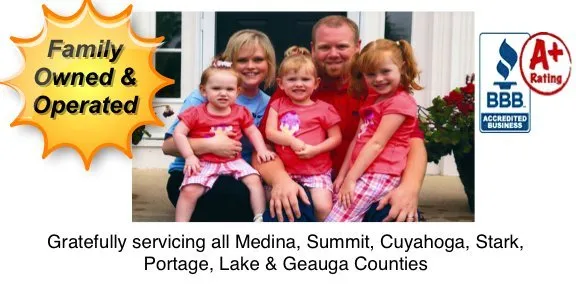
Plumbing 911 is a family-owned and operated plumbing service serving Akron and Northeast Ohio since 2010. Founded by Master Plumber Keith Miller and his wife Karen, the business is built on a simple p...
Action Plumbing is a trusted local plumbing service in Broadview Heights, OH, with a deep-rooted family history in the trade. As a fourth-generation licensed plumber, we bring over 30 years of hands-o...
Your Home Handyman in Cuyahoga Falls is your local, trusted expert for plumbing and electrical projects. With roots in the community dating back to the 1970s, I began my career as a plumber's helper, ...
Jennings Heating, Cooling, Plumbing & Electric
Jennings Heating, Cooling, Plumbing & Electric has been a trusted home services provider in Akron since 1931. Originally founded by the Jennings brothers, the company has grown from a coal supplier in...

Reliable Basement & Drain
Reliable Basement & Drain is a veteran-owned plumbing and waterproofing company serving North Royalton, OH, and the greater Cleveland area. Founded in 2000 by Ken W., a licensed plumber and disabled v...

WyattWorks Plumbing
For over 35 years, WyattWorks Plumbing has been a trusted family name in Wickliffe and across Northeast Ohio. Founded by Andy Wyatt with a single pickup truck, the business is now a true family endeav...
Estimated Plumbing Costs in Richfield, OH
Common Questions
As a suburban homeowner, what are my main plumbing concerns?
In a suburban setting like ours, the primary concerns are the municipal water pressure and the sewer lateral. Pressure from the city main is generally good, but aging pressure-reducing valves can fail. Tree roots seek out the water in your lateral sewer line, especially older clay or cast iron pipes, and can cause complete blockages that are your responsibility to fix.
How fast can a plumber get to me in Richfield if I have a burst pipe?
From our shop near Richfield Heritage Preserve, the fastest route uses I-77 to reach most neighborhoods in the township. Heading past the preserve onto the interstate avoids local traffic, keeping a typical response within 20 to 30 minutes. We plan our dispatch to account for rush hour, especially for emergencies.
Does Akron's water affect my water heater and fixtures?
Akron's supply is very hard, which means it carries a high mineral content. Over time, this forms scale that coats heating elements and narrows pipe diameters. Water heaters work harder and fail sooner, and faucet cartridges seize up. Installing a whole-house water softener is the most effective way to protect your appliances and plumbing from this damage.
Why do my copper pipes keep springing pinhole leaks?
Copper installed in 1973 is susceptible to pinhole leaks due to decades of internal corrosion and scale buildup. Our hard water accelerates this wear. The leaks often appear first on horizontal hot water lines. It's a systemic issue for this vintage of plumbing, and spot repairs usually lead to more leaks elsewhere in the system.
What permits do I need for a bathroom remodel in Richfield?
The Richfield Building Department requires permits for most plumbing work that alters lines. As a Master Plumber licensed by the Ohio Construction Industry Licensing Board, I handle pulling those permits and scheduling inspections. This ensures the work meets current code, which protects your home's value and satisfies insurance requirements. You won't have to navigate the red tape yourself.
What should I do to prepare my plumbing for a Richfield winter?
Temperatures here can drop to 19 degrees, and the spring thaw brings its own problems. Before winter, disconnect and drain outdoor hoses and shut off the exterior water supply valve from inside the house. During a hard freeze, let a cold water trickle run in the faucet farthest from the main. Insulate pipes in unheated crawl spaces, which are common in our Snow Belt homes.
My Richfield home was built in the 1970s. Should I be worried about my plumbing?
Homes built around 1973 have copper pipes that are now 53 years old. In Richfield Village Center, we're seeing these systems reach their typical service life. The original solder joints are failing, and the pipe walls are thinning. You might notice small green stains around joints or a drop in water pressure, which are early signs that warrant a professional evaluation.
Could the hills in my yard be causing plumbing problems?
The hilly terrain around places like Richfield Heritage Preserve stresses sewer main lines. A steep slope can put extra pressure on pipes and fittings. It also affects drainage, potentially directing surface water toward your foundation. If you have a basement, this can lead to a saturated footer and a higher risk of a main line backup during heavy rain.
