Top Emergency Plumbers in Reading, OH, 45215 | Compare & Call

There are 235 plumbing companies server in Reading OH
DNA Construction & Welding
DNA Construction & Welding is a locally owned and operated contractor in Aurora, Indiana, founded and run by owner Dean. After a lifetime of experience in the trades, Dean created this company to be a...
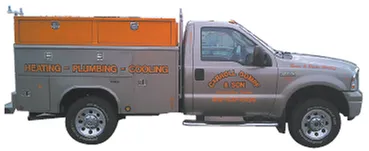
Carroll Gompf & Son Sewer
For over 60 years, Carroll Gompf & Son Sewer has been a trusted, family-owned plumbing and sewer service provider in Lawrenceburg and the surrounding Tri-State area. We handle a wide range of resident...
Diamond Plumbing is a family-owned and operated plumbing service based in Lawrenceburg, IN, founded by Ethan with deep roots in the trade. Growing up immersed in plumbing and business through his fath...
The Randyman in Aurora, IN is a family-owned and operated handyman and plumbing service built on a foundation of 20 years of experience. Founder Randy started the business to provide honest craftsmans...
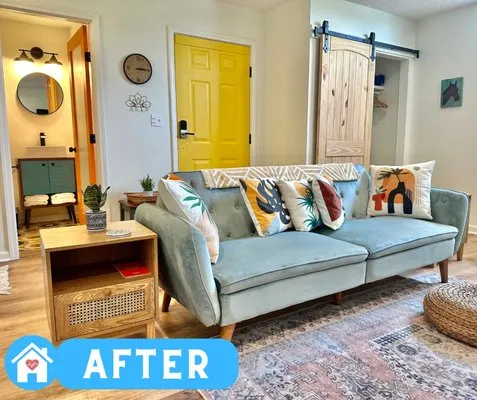
Nurse Nest Management is a trusted Hillview, KY business offering comprehensive property solutions for both residential and commercial clients. We specialize in interior design services—from full home...
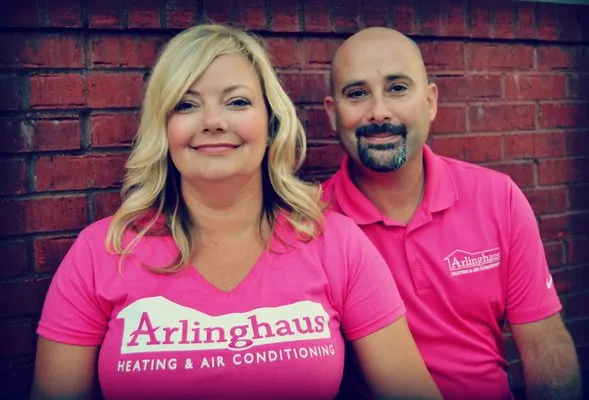
Arlinghaus Plumbing Heating & Air Conditioning
Arlinghaus Plumbing Heating & Air Conditioning is a family-owned business proudly serving Erlanger, KY, and the Greater Cincinnati area since 2008. Founded by Brian and Heather Arlinghaus, our team of...
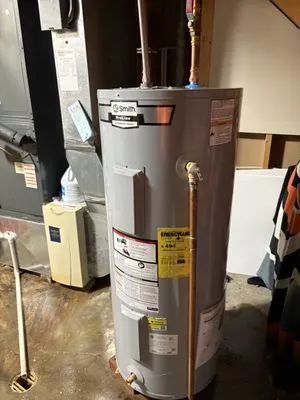
Premier Plumbing is a locally owned and operated plumbing service based in Covington, KY, proudly serving the entire Northern Kentucky and Cincinnati metro area. As a Covington Catholic High School gr...
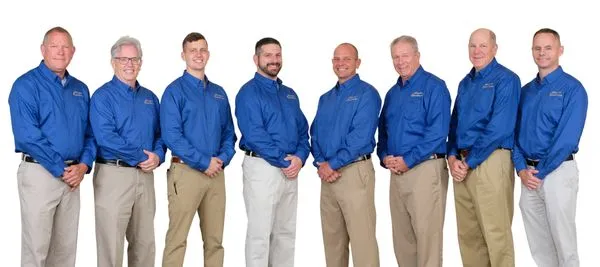
Schneller Knochelmann Plumbing, Heating & Air Conditioning
Schneller Knochelmann Plumbing, Heating & Air Conditioning has been a cornerstone of Covington and the greater Cincinnati area since 1928. The company's story is deeply rooted in local families and se...
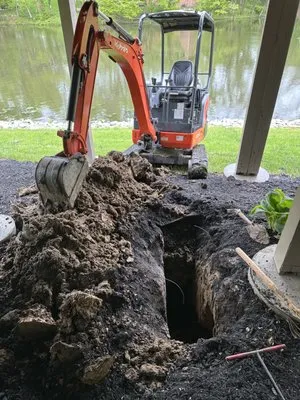
Kremer Plumbing Services
Kremer Plumbing Services has been serving Alexandria, KY since 2014 with a straightforward mission: to make plumbing repairs easy, quick, and affordable. This commitment has established us as a truste...
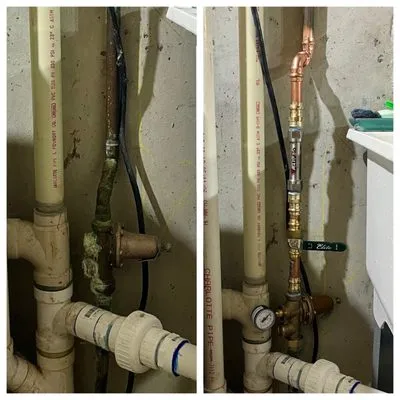
Jolly Plumbing
Jolly Plumbing has been serving Northern Kentucky and Greater Cincinnati since 1979, starting as a small family operation with Barry T. Jolly in the field and his wife Susan handling office duties. Ov...
Estimated Plumbing Costs in Reading, OH
Common Questions
How quickly can a plumber reach my house in Reading during an emergency?
Heading past Reading Bridal District on I-75, most dispatch routes cover the area within 20-30 minutes. Traffic patterns on I-75 and local streets factor into arrival times, but crews know these roads well. For urgent issues like burst pipes, we prioritize direct routes to minimize water damage before arrival.
Why do my old pipes keep springing small leaks?
Galvanized steel from 1956 suffers from pinhole leaks as corrosion eats through the pipe walls. Joint calcification is another common failure—mineral deposits and rust buildup at connections weaken threads until they crack. These issues often appear first at elbows and tees where water turbulence accelerates wear.
My Reading Central home was built in the 1950s—should I be worried about my plumbing?
Galvanized steel pipes installed around 1956 are now 70 years old. Homeowners in Reading Central often notice reduced water pressure and rust-colored water as internal corrosion builds up. That scale narrows the pipe diameter over decades, restricting flow to fixtures. At this age, complete pipe failure becomes more likely, especially at threaded joints where corrosion concentrates.
Do I need permits for plumbing work in Reading, and who handles that?
The Reading Building Department requires permits for most plumbing modifications. As a master plumber licensed by the Ohio Construction Industry Licensing Board, I handle permit applications, inspections, and code compliance. This ensures work meets local standards while you avoid the red tape and potential fines.
As a suburban homeowner, what unique plumbing concerns should I watch for?
Municipal water pressure in Reading typically ranges 40-80 PSI, which can stress older galvanized pipes. Tree roots often invade lateral sewer lines seeking moisture, causing blockages. Regular inspections of main shutoff valves and sewer cleanouts help catch issues before they become emergencies in this suburban environment.
Does hard water from the Great Miami River damage my plumbing?
Hard water carries dissolved minerals that deposit as scale inside pipes and appliances. Water heaters accumulate scale on heating elements, reducing efficiency and shortening tank life. Fixtures like faucets and showerheads develop reduced flow from mineral buildup, requiring more frequent cleaning or replacement.
Could my home's hillside location cause drainage issues?
Hilly terrain around Reading Bridal District stresses main sewer lines with gravity and soil movement. Downslope properties often see increased pressure on pipe joints, while upslope homes may deal with slow drainage. Soil erosion on slopes can expose or damage buried lines, requiring proper grading to maintain stability.
What should I do before spring thaw to avoid plumbing problems?
Insulate exposed pipes in crawl spaces and basements before temperatures drop to 22°F. Disconnect garden hoses and shut off exterior faucets to prevent freeze damage. Check for drafts near plumbing lines, as even temperate climates like ours experience sudden cold snaps during spring thaw that can cause pipes to burst.
