Top Emergency Plumbers in Polk, OH, 44833 | Compare & Call

There are 46 plumbing companies server in Polk OH
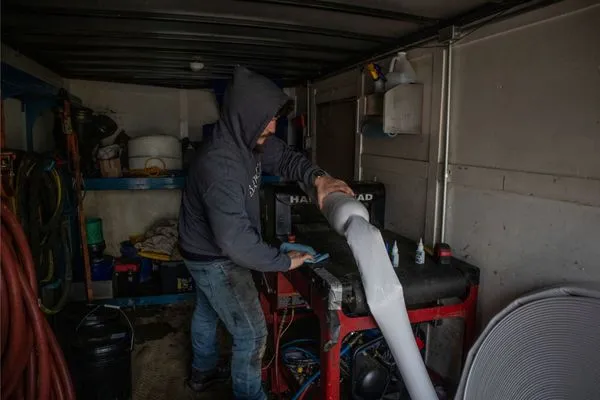
Sewer Pro is your Columbus-based expert in trenchless sewer repair and plumbing services. We specialize in methods like pipe lining and pipe bursting that fix underground pipes with minimal digging, s...
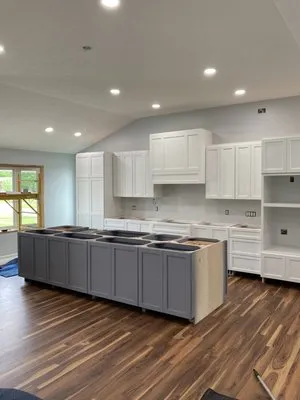
Nemec's Remodeling Plumbing
Nemec's Remodeling Plumbing is a locally owned and operated business serving Elyria for over 30 years. Founded by Steve Nemec, the company was built on a commitment to honest, high-quality work and pr...

Shur Flow Plumbing is a trusted, locally-owned plumbing and remodeling service based in Cleveland, OH, now under new management with a dedicated focus on community service. Our team brings over 30 yea...
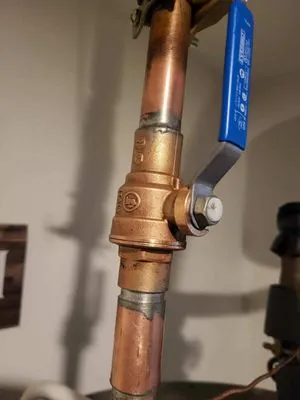
Reliable Drain Solutions has been serving Akron, OH, for over a decade, providing trusted residential and light commercial plumbing services. Our expertise includes comprehensive sewer and septic syst...

K & S Mechanical
K & S Mechanical is a family and veteran-owned sewer, drain, and plumbing service headquartered in Strongsville, Ohio. Founded by a USMC Service Disabled Combat Veteran and Eagle Scout, the company br...
R & R Mechanical is a Cleveland-based, MBE & EDGE certified mechanical services provider founded in 1986. With a team of licensed and insured plumbers boasting over a century of combined experience, t...
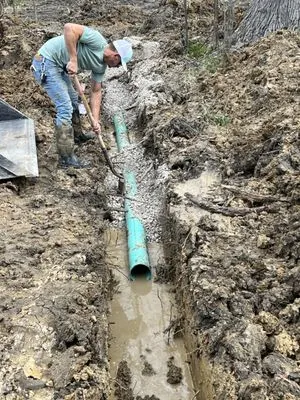
Westside Drain & Utility is a trusted plumbing and excavation contractor serving Grafton, Ohio, with over 20 years of experience. Starting with a couple hundred jobs in their first year, they've grown...
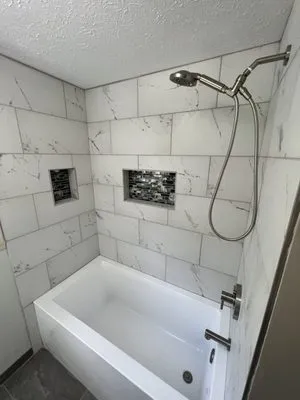
LM Home Improvement & Renovation LLC is a Norton-based contractor dedicated to transforming homes throughout the community. We specialize in comprehensive interior remodeling, with a strong focus on b...
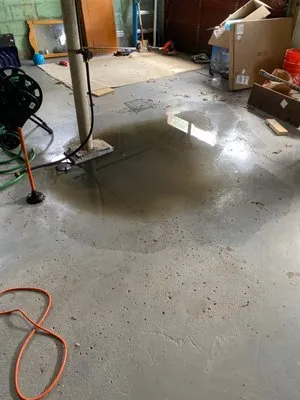
For over 50 years, Down's Septic & Drain has been the trusted, family-owned plumbing and septic service for Peninsula and the surrounding Summit County area. We're proud to be a local business staffed...
All Ohio Plumbing is your trusted Medina plumbing partner, serving homeowners throughout the community. We specialize in addressing common local plumbing concerns like drain clogs and aging sewer line...
Estimated Plumbing Costs in Polk, OH
Frequently Asked Questions
Why do my old pipes keep springing pinhole leaks?
Galvanized steel from that 1938 era corrodes unevenly. As the pipe wall thins from internal rust, weak spots develop. The constant pressure, especially during spring thaw when the ground shifts, stresses these thin spots. A pinhole leak is often the first sign of systemic failure in a section, and it usually means the surrounding pipe is similarly compromised and will soon follow.
How long does it take for a plumber to get here for an emergency?
A dispatch from our shop typically puts us on US-224 within minutes. Heading past Polk Cemetery on US-224 is the main route into the area. For most calls in Polk, you can expect a truck on site within 45 to 60 minutes, barring severe winter weather that can slow travel on these rural routes.
What's the most important thing to do before spring thaw to avoid plumbing problems?
Before the ground fully thaws, shut off and drain any exterior hose bibs. A pro-tip for our snow belt is to also know the location of your main water shutoff valve inside the house. Pipes in older homes can fail as the frozen ground shifts during the rapid thaw, and being able to stop the water immediately can prevent extensive damage from a burst line in a crawlspace or basement.
My water pressure is dropping, and I've seen some rust stains in the sink. What's happening to my pipes?
Houses built around 1938, common in Polk Village Center, have galvanized steel pipes now reaching 88 years old. The interior zinc coating has worn away, leaving the bare steel to corrode from the inside out. This corrosion, combined with decades of hard water scale, drastically reduces the pipe's internal diameter. Homeowners often see a gradual, persistent drop in pressure and rust-colored water as the final stage before a section fails completely.
Could the flat land around my property be causing my slow drains?
The relatively plain terrain around Polk, including areas near the cemetery, often lacks the natural slope needed for ideal drainage. For sewer lines, this can lead to waste water moving too slowly, allowing solids to settle and create blockages over time. It also means during heavy rain or rapid snowmelt, saturated ground can put extra hydrostatic pressure on older main drain lines, stressing already weak joints.
Do I need a permit to replace my water heater or repipe my house?
Most major plumbing work in Ashland County, including water heater replacements and whole-house repiping, requires a permit from the Ashland County Building Department. As a licensed master plumber through the Ohio Construction Industry Licensing Board, I pull those permits and schedule the required inspections. Handling that red tape is part of the job, ensuring the work is documented and meets current code for your safety and home's value.
Does having a private well make my water heater wear out faster?
Yes, private wells in this area typically pull hard water rich in minerals like calcium and magnesium. This scale builds up inside the water heater tank and on the heating elements, forcing the unit to work harder and less efficiently. Over time, heavy scale accumulation can lead to premature tank failure and significantly higher energy bills. Installing and maintaining a whole-house water softener is a standard recommendation for well owners here to protect all their appliances.
As a rural homeowner, are my septic and well systems connected to my plumbing issues?
Absolutely. In a rural setting like Polk, your septic tank and drain field are integral to your home's plumbing health. A failing septic system can cause backups into the house, while a well pump's pressure switch and tank are critical for consistent water delivery. Many common calls, like no water or slow drains, require diagnosing both the well and septic systems alongside the household pipes to find the root cause.
