Top Emergency Plumbers in Pleasant Run, OH, 45231 | Compare & Call

There are 141 plumbing companies server in Pleasant Run OH
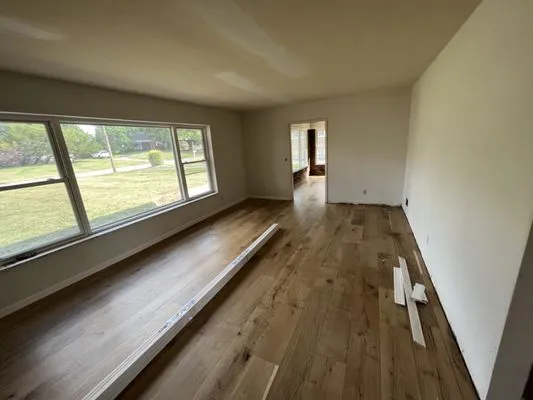
DNA Construction & Welding
DNA Construction & Welding is a locally owned and operated contractor in Aurora, Indiana, founded and run by owner Dean. After a lifetime of experience in the trades, Dean created this company to be a...
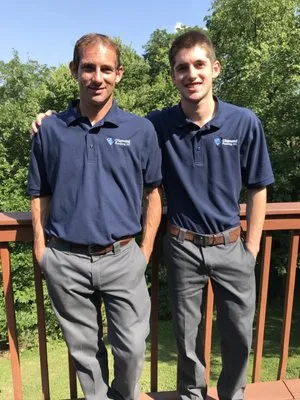
Diamond Plumbing is a family-owned and operated plumbing service based in Lawrenceburg, IN, founded by Ethan with deep roots in the trade. Growing up immersed in plumbing and business through his fath...
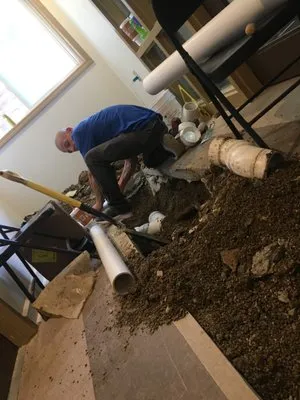
The Randyman in Aurora, IN is a family-owned and operated handyman and plumbing service built on a foundation of 20 years of experience. Founder Randy started the business to provide honest craftsmans...
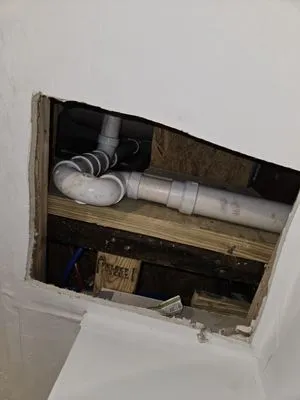
Weed's Home Services is a Veteran-owned home repair and improvement company serving West Harrison, IN, and the surrounding area. Founded in 2019, we bring over 15 years of hands-on experience to every...
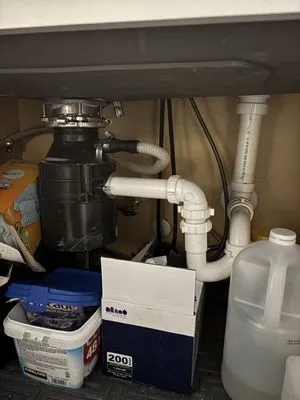
Cody's Drain Cleaning and Repair
Cody's Drain Cleaning and Repair is a locally owned plumbing and excavation business serving Lawrenceburg, IN, with over 20 years of plumbing and 13 years of excavation experience. As a private owner-...
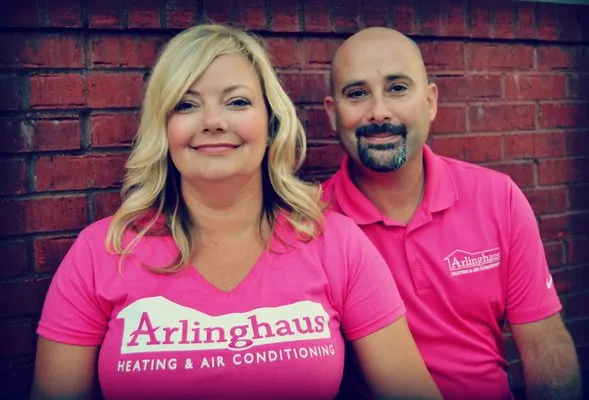
Arlinghaus Plumbing Heating & Air Conditioning
Arlinghaus Plumbing Heating & Air Conditioning is a family-owned business proudly serving Erlanger, KY, and the Greater Cincinnati area since 2008. Founded by Brian and Heather Arlinghaus, our team of...
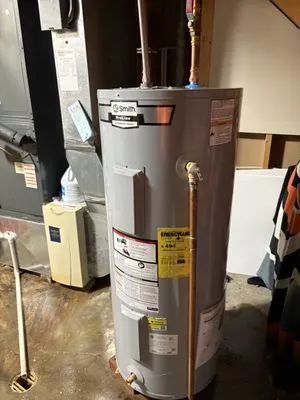
Premier Plumbing is a locally owned and operated plumbing service based in Covington, KY, proudly serving the entire Northern Kentucky and Cincinnati metro area. As a Covington Catholic High School gr...
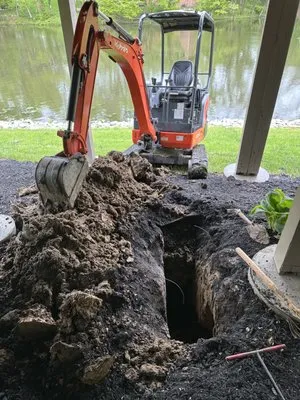
Kremer Plumbing Services
Kremer Plumbing Services has been serving Alexandria, KY since 2014 with a straightforward mission: to make plumbing repairs easy, quick, and affordable. This commitment has established us as a truste...
Jolly Plumbing
Jolly Plumbing has been serving Northern Kentucky and Greater Cincinnati since 1979, starting as a small family operation with Barry T. Jolly in the field and his wife Susan handling office duties. Ov...

KW Mechanical, Inc
KW Mechanical, Inc. is a family-owned mechanical contracting firm that has been serving Northern Kentucky and Cincinnati since 1987. Founded by Marvin and Karen Wischer, the company began as KW Electr...
Estimated Plumbing Costs in Pleasant Run, OH
Frequently Asked Questions
Could the flat land around Winton Woods be causing my slow drains?
Plain terrain provides minimal natural slope for drainage systems. Waste lines rely on precise pitch calculations—even slight settling over decades can create flat spots where debris accumulates. Main lines from homes to municipal connections may develop low spots that trap solids. We often find tree roots seeking moisture in this stable soil, compounding drainage issues.
What permits or inspections are needed for plumbing work in Hamilton County?
Most plumbing repairs or replacements require Hamilton County Building Department permits. As a master plumber licensed through the Ohio Construction Industry Licensing Board, I handle all permit applications, inspections, and code compliance. Homeowners shouldn't navigate this red tape themselves—improper permits can complicate insurance claims and future home sales. My credentials ensure work meets all current Ohio plumbing codes.
How quickly can a plumber reach my home in Pleasant Run during an emergency?
From our base near Winton Woods, we take I-275 directly into Pleasant Run. Heading past Winton Woods on I-275 gets us to most addresses within 20-30 minutes. We monitor traffic patterns and know the back routes when needed. This dispatch route keeps response times predictable even during peak hours.
As a suburban homeowner, what should I know about my connection to the municipal system?
Pleasant Run's municipal water pressure typically runs 40-60 PSI, which stresses older plumbing over time. Your lateral line from house to main faces two risks: shifting soil can crack pipes, and tree roots from mature landscaping seek water through small joints. We recommend checking your pressure regulator every few years and having lateral lines camera-inspected if you notice recurring drain problems.
Does Ohio River water affect my home's plumbing fixtures and water heater?
Water from the Ohio River carries high mineral content that creates hard water scaling. This scale buildup reduces water heater efficiency by coating heating elements and tank interiors. Fixtures develop reduced flow as aerators and valve seats accumulate mineral deposits. Over years, this scaling can cut appliance lifespans by 30-40% without proper maintenance.
Why are so many Pleasant Run homes built around 1975 having plumbing issues now?
Copper pipes installed in 1975 are now 51 years old. At this age, the protective lining inside the pipes has worn thin from decades of water flow and mineral contact. Homeowners in Greenhills are seeing increased pinhole leaks, joint failures, and reduced water pressure as the copper reaches the end of its typical lifespan. This isn't sudden failure but gradual deterioration that becomes noticeable around the half-century mark.
What should I do before spring thaw to prevent plumbing problems?
Before temperatures rise above freezing, check all exposed pipes for insulation gaps. Disconnect garden hoses and shut off exterior water supplies. During thaw when temperatures hit 22°F overnight then warm during day, pipes expand and contract rapidly—inspect for new leaks. Keep cabinet doors open to let warm air reach pipes under sinks.
What causes those tiny leaks in copper pipes that seem to appear out of nowhere?
Pinhole leaks in 1975-era copper pipes result from internal corrosion called pitting. Over 51 years, hard water minerals create microscopic weak spots that eventually penetrate the pipe wall. You'll often find these leaks at joints or bends where water turbulence accelerates wear. The problem starts inside the pipe where you can't see it until water appears on walls or ceilings.
