Top Emergency Plumbers in Pheasant Run, OH, 44050 | Compare & Call

There are 238 plumbing companies server in Pheasant Run OH

Buckeye Plumbing & Drains is your local, licensed plumbing and septic expert serving Orient and the surrounding central Ohio communities. We know plumbing problems are stressful, which is why our appr...

XCEL Plumbing & Drains is a locally owned and operated plumbing service dedicated to serving the residents of Columbus, Ohio. We understand that plumbing problems can disrupt your home and your day. O...
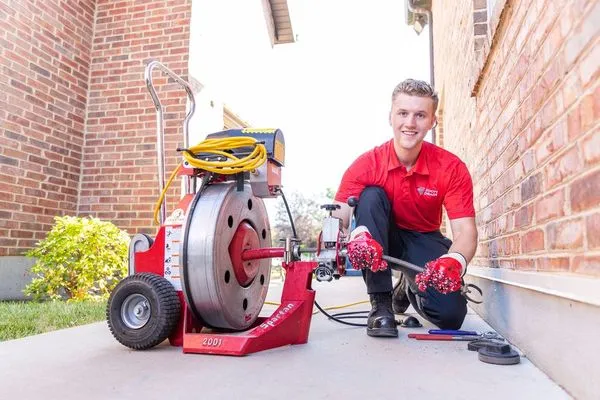
Zoom Drain in Powell, OH, is your local specialist for resolving stubborn drain and sewer issues. Our fully equipped service trucks arrive prepared for anything, featuring advanced video inspection te...

Mid City Property Pros is a Columbus-based home service company specializing in handyman, electrical, and plumbing work. We help local homeowners with repairs, installations, and maintenance, from fix...

Handyman 24 7 is a full-service home maintenance and repair company serving Columbus, OH, and surrounding areas. We provide a comprehensive range of solutions, from simple handyman tasks like furnitur...
At Greene's Plumbing Service in Columbus, OH, we believe if a job's worth doing, it's worth doing right. That commitment to quality is the foundation of every repair and installation we handle for our...
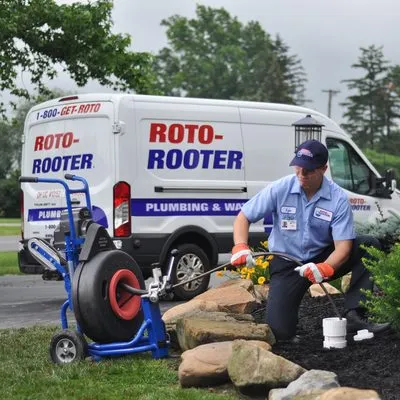
Roto-Rooter Plumbing & Water Cleanup
Roto-Rooter Plumbing & Water Cleanup provides reliable, 24/7 emergency plumbing and water damage services for Delaware, OH, homeowners and businesses. Our team is fully staffed and ready to help with ...
Done Right Plumbing is your trusted, full-service plumbing partner in Delaware, Ohio. We specialize in everything from routine repairs to complete installations, ensuring your home's water and gas sys...
Amanda Plumbing
Amanda Plumbing has been a trusted, family-owned plumbing resource for Delaware, OH, and surrounding communities since 1995. Built on word-of-mouth referrals and lasting customer relationships, we are...
A1 Pro Services is a third-generation, family-owned excavation and plumbing contractor proudly serving Columbus, OH. As a licensed Water and Sewer Contractor with the City of Columbus, we specialize i...
Estimated Plumbing Costs in Pheasant Run, OH
Q&A
Does Lake Erie water affect my home's plumbing?
Yes, the mineral content from Lake Erie creates very hard water. This leads to significant scale buildup inside pipes, water heaters, and faucet cartridges. In water heaters, scale acts as an insulator on the heating elements, forcing them to work harder and fail prematurely. For fixtures, it restricts flow and degrades rubber seals and washers much faster than with soft water.
As a suburban home, what are the main plumbing systems to watch?
The focus here is on the connection between your house and the municipal mains. The water service lateral and sewer lateral are your responsibility from the street to the house. Tree roots seeking moisture in the clay soil are a constant threat to sewer lines, while municipal water pressure fluctuations can stress old shut-off valves and supply lines. Regular camera inspections of the sewer lateral can catch root intrusion early.
What's the most important winter plumbing tip for the Mentor snow belt?
Disconnect and drain your garden hoses before the first hard freeze. A hose left connected traps water in the exterior bib, which then freezes and expands back into the pipe inside your wall. That split pipe often goes unnoticed until the spring thaw, when you turn the water on and flood the basement. It's a simple, five-minute task that prevents the most common cold-weather burst pipe we see here.
How fast can a plumber get to my house near Great Lakes Mall?
From the Great Lakes Mall area, the route is straightforward. I head onto I-90, which provides a direct shot into Pheasant Run Estates without dealing with downtown Mentor traffic. A typical dispatch from that starting point takes 20 to 30 minutes, depending on the specific cross street. That's a reliable window for most service calls in our community.
Why are my copper pipes starting to leak in my 1980s house?
Copper pipes from the late 1980s are experiencing a predictable failure mode. The primary culprit is pitting corrosion, often accelerated by our hard water. This creates pinhole leaks, frequently at the solder joints where the flux used during installation can leave a corrosive residue. Another issue is calcification at fixture shut-offs, where mineral scale buildup from decades of use prevents valves from sealing completely.
Could the flat land around here cause plumbing problems?
The relatively plain terrain around Great Lakes Mall and Pheasant Run can complicate drainage. With minimal natural slope, stormwater and groundwater have fewer places to go, which can lead to saturated soil. This constant moisture puts external pressure on buried sewer and water main lines, potentially causing settlement, joint failure, or infiltration over time. Proper grading away from your foundation is critical.
Do I need a permit to replace my water heater in Mentor?
Yes, the Mentor Building and Zoning Department requires a permit for water heater replacement, and the work must be inspected. As a master plumber licensed by the Ohio Construction Industry Licensing Board, I pull all necessary permits and schedule the inspections as part of the job. Handling this red tape is standard procedure; it ensures the installation meets current code for safety and insurance purposes, so you don't have to navigate it yourself.
How old are the water pipes in Pheasant Run homes?
Most homes in Pheasant Run Estates were built around 1987, so their copper plumbing is now about 39 years old. At this stage, the pipe walls have been thinning from decades of water flow and mineral abrasion. It's common to see pinhole leaks, especially at solder joints or where pipes touch dissimilar metals, because the protective patina inside the copper has worn through. Scheduling a pressure test can identify weak spots before a major failure occurs.
