Top Emergency Plumbers in Paint, OH, 45123 | Compare & Call

There are 173 plumbing companies server in Paint OH
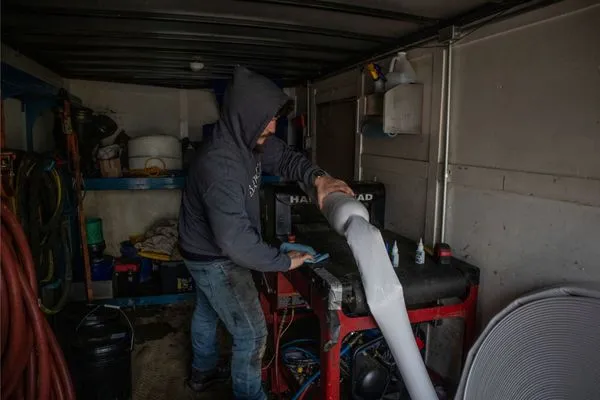
Sewer Pro is your Columbus-based expert in trenchless sewer repair and plumbing services. We specialize in methods like pipe lining and pipe bursting that fix underground pipes with minimal digging, s...

Plumbing 911 is a family-owned and operated plumbing service serving Akron and Northeast Ohio since 2010. Founded by Master Plumber Keith Miller and his wife Karen, the business is built on a simple p...
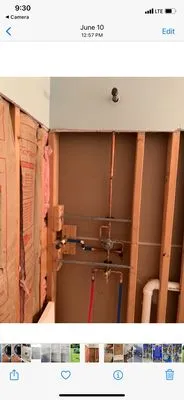
Advanced Plumbing in Austintown, OH, is a trusted local plumbing service provider dedicated to helping homeowners and businesses with a wide range of plumbing needs. From routine installations and rep...
Jennings Heating, Cooling, Plumbing & Electric
Jennings Heating, Cooling, Plumbing & Electric has been a trusted home services provider in Akron since 1931. Originally founded by the Jennings brothers, the company has grown from a coal supplier in...
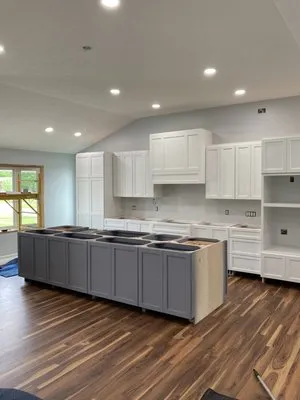
Nemec's Remodeling Plumbing
Nemec's Remodeling Plumbing is a locally owned and operated business serving Elyria for over 30 years. Founded by Steve Nemec, the company was built on a commitment to honest, high-quality work and pr...

Mr Countertops
Mr Countertops in Wadsworth, OH, is a full-service home renovation company founded by the husband-and-wife team of Shannon and David. Building on over 20 years of family experience in the trade, they ...
Beck Electric, Generators, & Plumbing
Since 2007, Beck Electric, Generators & Plumbing has been a trusted, family-owned resource for Canton and Waynesburg area homeowners. We provide reliable electrical and plumbing solutions for both eve...

Shur Flow Plumbing is a trusted, locally-owned plumbing and remodeling service based in Cleveland, OH, now under new management with a dedicated focus on community service. Our team brings over 30 yea...

Stark Plumbing
Stark Plumbing is a family-owned and operated plumbing service dedicated to serving North Canton and the surrounding communities. We believe in providing honest, quality work at a fair price for every...
Reliable Drain Solutions has been serving Akron, OH, for over a decade, providing trusted residential and light commercial plumbing services. Our expertise includes comprehensive sewer and septic syst...
Estimated Plumbing Costs in Paint, OH
Question Answers
What's the best way to prepare my plumbing for an Ohio spring?
The spring thaw here, after lows around 20°F, is when we see the most calls for leaks. A pro-tip is to check all your hose bibs and exterior pipes in late winter. Make sure they were fully drained and that any insulation is intact. Inside, listen for running toilet fill valves and check under sinks for moisture; temperature swings can stress old seals and fittings, revealing weaknesses.
Who handles the permits for a plumbing repair in Highland County?
The Highland County Building Department issues the required permits for most substantial work. As a master plumber licensed by the Ohio Construction Industry Licensing Board, I pull those permits and schedule the inspections as part of the job. My credential means I understand the current code, so you don't have to navigate that red tape yourself.
How long does it take a plumber to get to Paint?
My dispatch from the shop typically puts me heading past Paint Creek State Park on US-50. That main route gets me into the township efficiently. For most calls in Paint, I can be on site in 45 to 60 minutes from the time you call. I plan the route to avoid any known seasonal backups or construction on 50.
Does hard water from Paint Creek ruin water heaters?
The mineral content from our local water source leads to significant scale buildup. Inside a water heater, this scale acts as an insulator on the heating elements or gas burner, forcing the unit to work harder and fail prematurely. You'll see reduced hot water volume and higher energy bills. Anodes in the tank also corrode faster, leaving the tank itself vulnerable to rust.
Are the copper pipes in my Paint home getting old?
Your copper plumbing is about 50 years old, installed around 1976. In Paint Township Center, we're seeing a lot of homes with that vintage of pipe reach a critical point. The copper has thinned from decades of water flow and mineral interaction. What you might notice are small, persistent leaks at soldered joints or a sudden failure in a section that's been quietly corroding.
Is maintaining a well and septic system different in a rural area like Paint?
Rural systems require more proactive oversight. For your well, the hard water means regular testing and likely a softener to protect plumbing. Your septic system's drain field performance is closely tied to the local soil composition and the hilly grade. Overloading the system or ignoring pump-out schedules can lead to backups much more severe than a simple municipal sewer clog.
Could the hilly land around here cause plumbing problems?
The sloping terrain, like around Paint Creek State Park, directly stresses your main water line and drainage. On the supply side, it can create high pressure at the bottom of a hill. For waste lines, the pitch is critical; too little slope and drains slow down, too much and water outruns solids, leading to clogs. Soil shifting on hills can also strain and crack buried pipe joints.
Why does my 1970s copper pipe keep springing pinhole leaks?
Copper pipes from that era are prone to pinhole leaks due to a combination of age and our local water chemistry. After 50 years, the protective interior lining can break down. Aggressive water, combined with the natural electrolysis between copper and other metals in the system, creates localized corrosion that eventually perforates the pipe wall, often first appearing as a fine spray or damp spot.
