Top Emergency Plumbers in Orange, OH, 43015 | Compare & Call

There are 238 plumbing companies server in Orange OH
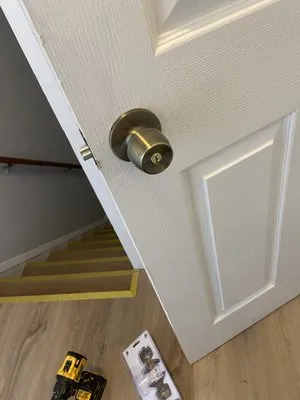
Fred The Handyman is your trusted local professional serving Valleyview and Northeast Ohio. Since 2017, Fred has built a solid reputation providing reliable handyman, plumbing, and appliance services ...

ExpertPipe Rooter is a family-owned plumbing service based in Cleveland, OH, dedicated to providing reliable and transparent solutions for residential plumbing needs. We specialize in a comprehensive ...
W F Hann & Sons
W F Hann & Sons has been a trusted provider of HVAC, plumbing, and electrical services in Northeast Ohio since 1907. Based in Warrensville Heights, our family-owned company offers reliable installatio...

Sal's Heating & Cooling, Plumbing & Sewer
Sal's Heating & Cooling, Plumbing & Sewer has been serving North Royalton and surrounding communities since 1975. Founded by Sal Sidoti Sr. and now led by his son Sal Sidoti, this family-owned busines...
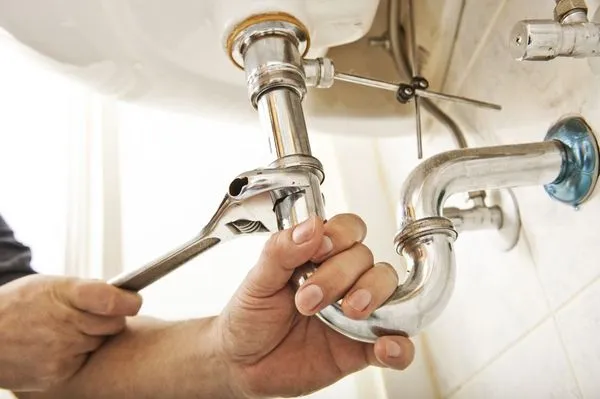
CS Sewer Drain and Plumbing is a trusted, family-owned plumbing service proudly serving North Ridgeville and the surrounding Northeast Ohio communities. With over 75 years of combined hands-on experie...

1-800-Plumber +Air
1-800-Plumber +Air of Valley View is your locally owned and operated plumbing and HVAC partner, backed by the resources of a trusted national brand. We're a family business serving our neighbors with ...

Plumbing 911 is a family-owned and operated plumbing service serving Akron and Northeast Ohio since 2010. Founded by Master Plumber Keith Miller and his wife Karen, the business is built on a simple p...
Steadfast Plumbing & Heating
Steadfast Plumbing & Heating is your trusted local partner for reliable plumbing and HVAC services in Eastlake, OH, and throughout Lake County. We are a licensed, full-service company committed to res...
On Demand Plumbing is your trusted, full-service plumbing contractor serving North Olmsted and the surrounding communities. We specialize in a comprehensive range of residential plumbing services, fro...
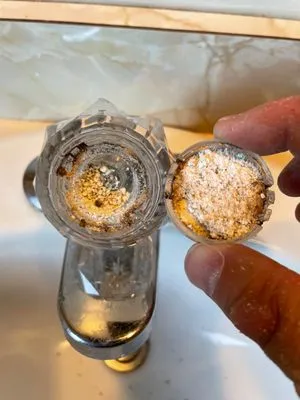
For Fairview Park homeowners dealing with plumbing issues, Royal Flush Plumbing offers reliable, expert service. Founded in 2004, we provide a comprehensive range of solutions from routine faucet repa...
Estimated Plumbing Costs in Orange, OH
Question Answers
Do I need a permit to replace my water heater, and who handles that?
Yes, the Orange Village Building Department requires a permit for water heater replacement to ensure the installation meets current code for safety and energy efficiency. As a master plumber licensed by the Ohio Construction Industry Licensing Board, I pull all necessary permits, schedule inspections, and ensure the work passes code. My crew handles that red tape so you don't have to navigate village bureaucracy or risk a violation.
Does Lake Erie water affect my home's plumbing and appliances?
Yes, directly. Water sourced from Lake Erie is very hard, meaning it carries a high mineral content. Those minerals, primarily calcium and magnesium, deposit as scale inside pipes, water heaters, and fixtures. Over time, scale buildup reduces water flow, decreases appliance efficiency, and can lead to premature failure of water heater heating elements. Installing and maintaining a whole-house water softener is a critical defense for protecting your hardware.
As a suburban homeowner, what are my main plumbing concerns?
Your primary concerns involve the interface between your private property and the municipal system. Tree roots seeking moisture are a constant threat to your underground sewer lateral. Municipal water pressure, while generally consistent, can have surges that stress older plumbing joints and valves. Unlike rural homes with wells, you rely on the village's infrastructure, so understanding where your responsibility begins at the property line is important for maintenance.
Could the hilly land around here cause plumbing problems?
The slope of the land in Orange Village absolutely impacts drainage. For homes built on a grade, like those near Orange Village Park, the main sewer lateral from your house to the municipal line is under constant gravitational stress. Over decades, this can lead to joint separation or pipe sagging, creating a spot for roots to invade or waste to collect. Properly supporting the pipe during installation and using a qualified camera inspection can identify these stress points.
How fast can a plumber get to my house in Orange during an emergency?
From our local shop, the dispatch route often heads past Orange Village Park to access I-271, which connects most neighborhoods. That arterial route typically puts us at your door within 20 to 30 minutes for urgent calls. Knowing these main roads lets us navigate the Village efficiently, whether the job is off Lander Road or further into the subdivisions.
Why are my copper pipes from the 70s suddenly springing leaks?
Copper pipe from that era is prone to pinhole leaks caused by a combination of age and internal corrosion. After 47 years, the protective oxide layer inside the pipe can break down, especially in areas with aggressive water. You might also find calcified solder joints that have become brittle and lost their seal. This isn't a flaw in the original installation, but the expected service life for that generation of material under local conditions.
What's the most important winter plumbing tip for homes in the Snow Belt?
Prevent frozen pipes by disconnecting and draining outdoor hoses before the deep cold hits, and insulating any exposed pipes in unheated spaces like garages or crawl spaces. The real danger period is during a rapid spring thaw following sustained 19-degree lows; the ground is still frozen around your buried main line while meltwater seeks the path of least resistance, which can be into your foundation. Keeping basement floor drains clear is key during that thaw.
My house in Orange was built in the late 70s. What should I expect from my plumbing now?
Plumbing installed around 1979 is now 47 years old. At this age, the copper pipe's internal wall thickness can be significantly reduced by decades of water flow and mineral abrasion from our hard water. Homeowners in Orange Village are commonly seeing pinhole leaks in hot water lines or behind walls where the pipe has worn thin. It is a predictable failure point for systems of this vintage, and proactive inspection can prevent extensive water damage.
