Top Emergency Plumbers in North Industry, OH, 44706 | Compare & Call

There are 158 plumbing companies server in North Industry OH
Sal's Heating & Cooling, Plumbing & Sewer
Sal's Heating & Cooling, Plumbing & Sewer has been serving North Royalton and surrounding communities since 1975. Founded by Sal Sidoti Sr. and now led by his son Sal Sidoti, this family-owned busines...
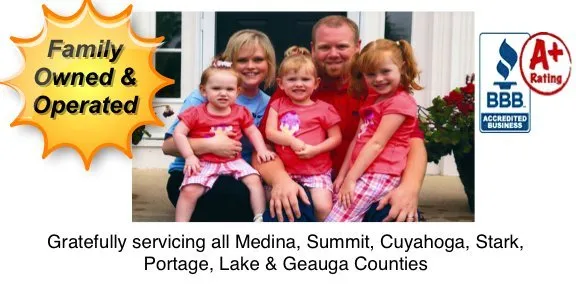
Plumbing 911 is a family-owned and operated plumbing service serving Akron and Northeast Ohio since 2010. Founded by Master Plumber Keith Miller and his wife Karen, the business is built on a simple p...
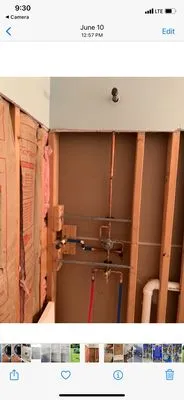
Advanced Plumbing in Austintown, OH, is a trusted local plumbing service provider dedicated to helping homeowners and businesses with a wide range of plumbing needs. From routine installations and rep...
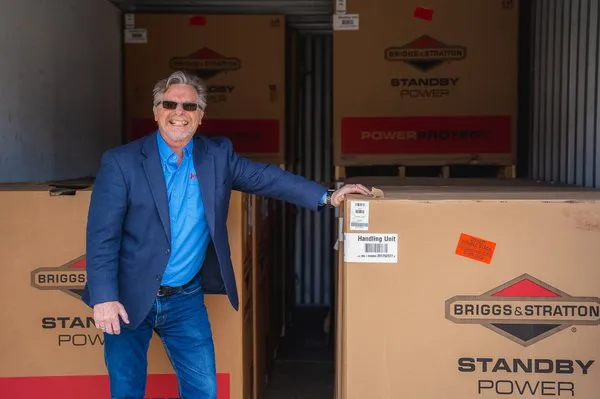
Jennings Heating, Cooling, Plumbing & Electric
Jennings Heating, Cooling, Plumbing & Electric has been a trusted home services provider in Akron since 1931. Originally founded by the Jennings brothers, the company has grown from a coal supplier in...
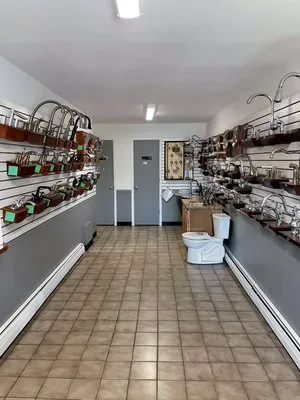
Buckeye Plumbing is a family-owned plumbing company that has been serving the Akron and Canton communities since 1973. Founded by Elton and Perry Miller, the business started in a garage focusing on n...

Mr Countertops
Mr Countertops in Wadsworth, OH, is a full-service home renovation company founded by the husband-and-wife team of Shannon and David. Building on over 20 years of family experience in the trade, they ...
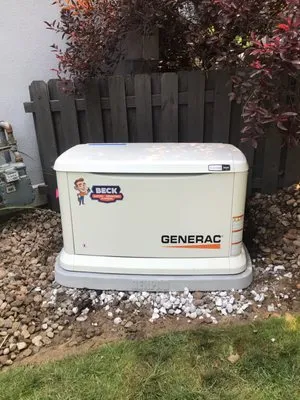
Beck Electric, Generators, & Plumbing
Since 2007, Beck Electric, Generators & Plumbing has been a trusted, family-owned resource for Canton and Waynesburg area homeowners. We provide reliable electrical and plumbing solutions for both eve...

Shur Flow Plumbing is a trusted, locally-owned plumbing and remodeling service based in Cleveland, OH, now under new management with a dedicated focus on community service. Our team brings over 30 yea...

Stark Plumbing
Stark Plumbing is a family-owned and operated plumbing service dedicated to serving North Canton and the surrounding communities. We believe in providing honest, quality work at a fair price for every...
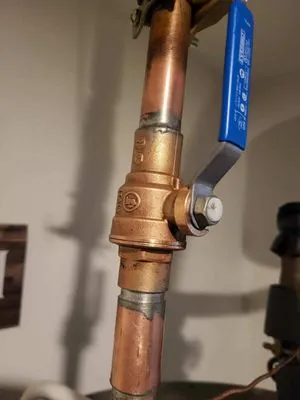
Reliable Drain Solutions has been serving Akron, OH, for over a decade, providing trusted residential and light commercial plumbing services. Our expertise includes comprehensive sewer and septic syst...
Estimated Plumbing Costs in North Industry, OH
Q&A
How quickly can a plumber get to North Industry for an emergency?
For a burst pipe, I dispatch from my shop near the Pro Football Hall of Fame and take I-77 south. That route avoids downtown Canton traffic and gets me to most homes in North Industry within 25 minutes. Knowing the back roads off Fulton Drive or Dueber Avenue is key to hitting that 20-30 minute window, even during heavier traffic periods.
As a homeowner here, what should I know about my main water line?
In this suburban setting, your main water line from the street meter to your house is your responsibility. We deal with two common issues: corrosion of the old galvanized section under your yard, and root intrusion at the connection point to the municipal main. A sudden loss of pressure or discolored water after a neighbor's repair often signals a problem in this private section of line.
My house was built in the 1960s. Should I be worried about my plumbing?
Homes built around 1962 in areas like Canton South have galvanized steel pipes that are now 64 years old. This material corrodes from the inside out, leading to a sharp drop in water pressure and frequent sediment in faucets. It's a predictable failure point where entire sections of pipe can become completely blocked with rust. We see many of these systems failing in a domino effect, requiring full replacement to restore reliable water flow.
What's the most important thing to do before winter to prevent frozen pipes?
Disconnect and drain all outdoor hoses before the temperature consistently hits 19°F. Air chambers in outside spigots and supply lines to unheated garages are the most vulnerable points in our Snow Belt climate. Pay special attention during the spring thaw, as repeated freeze-thaw cycles can cause cracks that don't leak until the ice inside fully melts and water pressure returns.
Do I need a permit to replace my water heater or repipe my house?
Yes, Stark County requires permits for water heater replacements and full repipes to ensure code compliance. As a master plumber licensed by the Ohio Construction Industry Licensing Board, I pull those permits, schedule inspections, and handle all the red tape. This protects your investment and ensures the work is documented correctly for future home sales or insurance claims.
Why do I keep getting pinhole leaks in my basement pipes?
Galvanized steel from the early 60s suffers from internal corrosion that thins the pipe wall. Pinhole leaks often appear at threaded joints or where the pipe contacts damp concrete, as these are stress points. The corrosion is accelerated by our area's hard water, making joint calcification and sudden failures common in plumbing of this vintage. Repairing one leak often just moves the pressure to the next weakest spot in the line.
Could the hilly land near the Hall of Fame cause plumbing problems?
Hilly terrain places constant stress on the main sewer line exiting your home. The slope can cause sections to settle or sag over decades, creating bellys where waste collects and causes blockages. Soil erosion from runoff, common in these areas, can also expose or damage buried lines. It's a good practice to have a sewer camera inspection if you notice slow drains coinciding with heavy rain or thaw periods.
Does the hard water around here damage my water heater?
Yes, the mineral content from our local water sources, including the Nimishillen Creek watershed, causes heavy scale buildup. In a water heater, this sediment insulates the heating elements and tanks, forcing them to work harder and fail prematurely. You'll hear more rumbling and banging from the tank, and your energy bills will climb. An annual flush and a properly sized anode rod are critical maintenance steps here.
