Top Emergency Plumbers in North Bloomfield, OH, 44833 | Compare & Call

There are 144 plumbing companies server in North Bloomfield OH
Sal's Heating & Cooling, Plumbing & Sewer
Sal's Heating & Cooling, Plumbing & Sewer has been serving North Royalton and surrounding communities since 1975. Founded by Sal Sidoti Sr. and now led by his son Sal Sidoti, this family-owned busines...
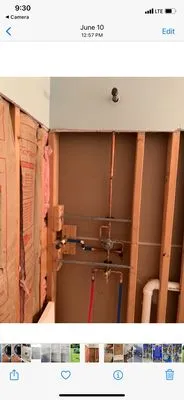
Advanced Plumbing in Austintown, OH, is a trusted local plumbing service provider dedicated to helping homeowners and businesses with a wide range of plumbing needs. From routine installations and rep...
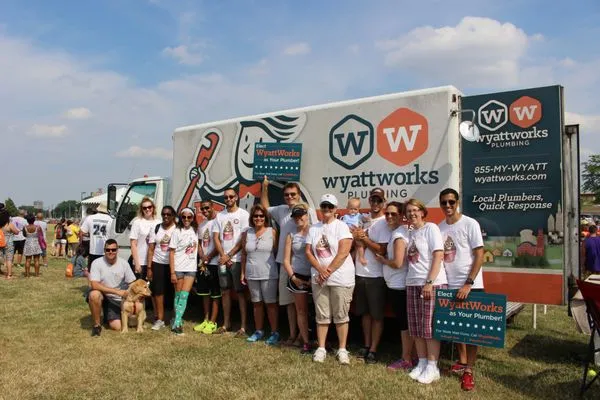
WyattWorks Plumbing
For over 35 years, WyattWorks Plumbing has been a trusted family name in Wickliffe and across Northeast Ohio. Founded by Andy Wyatt with a single pickup truck, the business is now a true family endeav...
Smylie One Heating Cooling & Plumbing
Smylie One Heating Cooling & Plumbing brings over six decades of trusted service to Bedford Heights and Northeast Ohio, rooted in a family legacy that began in 1955. Now led by Steven Smylie, Gary Ros...
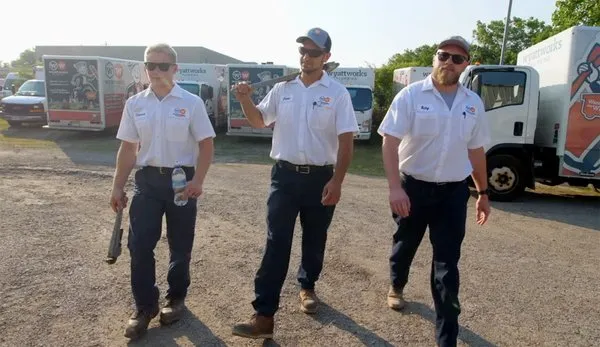
WyattWorks Plumbing
WyattWorks Plumbing has been serving Seven Hills, OH, since 1980, providing reliable plumbing solutions for homeowners. Specializing in hydro-jetting, water heater services, drain cleaning, and trench...
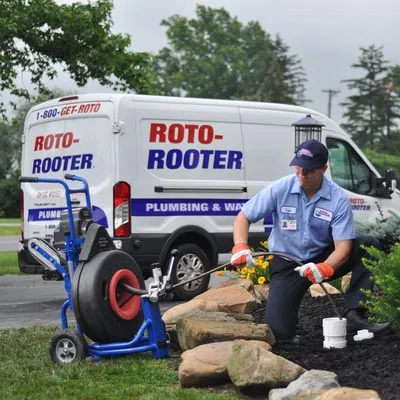
Roto-Rooter Plumbing & Water Cleanup
For over 85 years, Roto-Rooter has been the trusted name in plumbing and water cleanup, providing reliable service to the Solon community. Our local team of licensed, uniformed plumbers is fully staff...
PEPS Plumbing Service
PEPS Plumbing Service has been providing reliable plumbing solutions to Chardon, OH, and surrounding communities for over 20 years. As a licensed plumbing service, we specialize in a comprehensive ran...
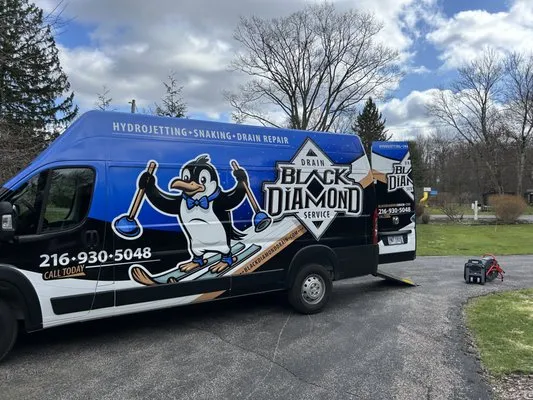
Black Diamond Drain Service
Black Diamond Drain Service is your trusted local plumbing and drain specialist in Bedford Heights, OH. We understand the common frustrations Bedford Heights residents face, such as low water pressure...
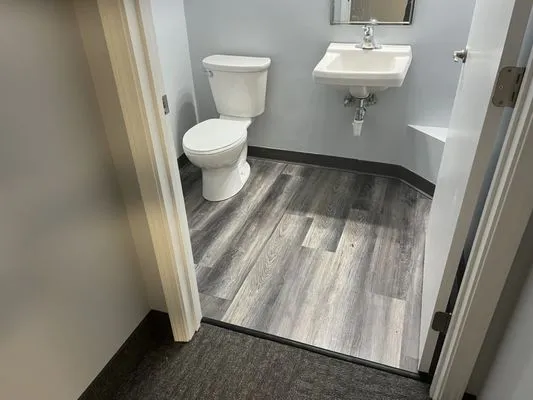
Eastern Plumbing Mechanical Contractors has been a trusted name in Twinsburg, Ohio, and the surrounding counties for over 50 years. Founded in 1972, this second-generation, family-owned business is le...
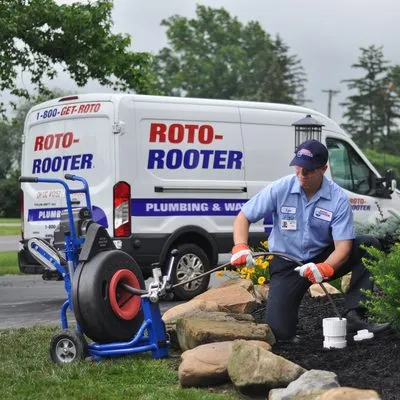
Roto-Rooter Plumbing & Water Cleanup
Roto-Rooter Plumbing & Water Cleanup is the trusted local provider for Euclid residents and businesses, offering reliable 24/7 emergency services. Our fully staffed team of dependable, friendly plumbe...
Estimated Plumbing Costs in North Bloomfield, OH
Question Answers
Do I need permits for plumbing work on my property?
Most plumbing repairs and replacements in Trumbull County require permits from the Building Inspection Department. As a licensed master plumber through the Ohio Construction Industry Licensing Board, I handle all permit applications, inspections, and code compliance documentation. This ensures your work meets current standards without you navigating bureaucratic requirements.
How quickly can you get to my home in North Bloomfield?
Heading past Grand River Wildlife Area on State Route 45 puts me on the main route to most North Bloomfield addresses. From there, it's typically 45-60 minutes depending on your exact location and road conditions. I keep my truck stocked with common copper fittings and repair materials so we can address most issues on the first visit.
Does hard water from my well damage plumbing fixtures?
Hard water from private wells causes scale buildup that reduces water heater efficiency by up to 30% over time. Minerals accumulate on heating elements and tank interiors, forcing the system to work harder. Fixtures show this damage as reduced flow from clogged aerators and white crust around faucet bases. A water softener protects your entire plumbing system from these effects.
My copper pipes are from 1974 - what should I expect at this age?
Copper pipes installed in 1974 are now 52 years old. Homeowners in Bloomfield Center are seeing pinhole leaks develop at solder joints and elbows where water turbulence has worn through the pipe walls. These small leaks often appear first in basements or crawlspaces as greenish-blue corrosion stains. At this age, the copper has experienced thousands of thermal cycles and decades of water flow, making joints the most vulnerable points.
Could the flat land around here cause drainage issues with my plumbing?
The plain terrain near Grand River Wildlife Area creates minimal natural slope for drainage systems. This puts constant hydrostatic pressure on your main sewer line, especially during heavy rain or snowmelt when the water table rises. Without proper grading, water can pool around foundation drains and infiltrate pipe joints over time, leading to root intrusion and soil erosion around lines.
Why do my copper pipes keep springing leaks?
Copper pipes from the 1970s often develop pinhole leaks due to electrolytic corrosion between dissimilar metals. Without proper dielectric unions, the copper reacts with steel fittings or grounding wires, creating microscopic holes that expand over time. Joint calcification also occurs where hard water minerals build up inside fittings, creating pressure points that eventually fail.
Are there special considerations for plumbing in rural North Bloomfield?
Rural properties here require attention to both well and septic systems since they operate independently of municipal services. Well pumps need regular pressure checks and sediment filter changes. Septic systems require proper venting and careful water usage management to prevent overloading. These systems work together, so issues with one often affect the other.
What should I do before spring thaw to prevent plumbing problems?
Before temperatures rise above freezing, check all exposed pipes in crawlspaces and along exterior walls for existing cracks. Spring thaw at 17°F lows means frozen ground shifts, which can stress main lines and cause hidden leaks to surface. Insulate pipes in unheated areas and ensure proper drainage away from your foundation to handle meltwater runoff.
