Top Emergency Plumbers in Nile, OH, 45616 | Compare & Call

There are 93 plumbing companies server in Nile OH
Advanced Plumbing in Austintown, OH, is a trusted local plumbing service provider dedicated to helping homeowners and businesses with a wide range of plumbing needs. From routine installations and rep...
WyattWorks Plumbing
WyattWorks Plumbing has been serving Seven Hills, OH, since 1980, providing reliable plumbing solutions for homeowners. Specializing in hydro-jetting, water heater services, drain cleaning, and trench...
Mc Phillips Plumbing Heating & Air Conditioning
Mc Phillips Plumbing Heating & Air Conditioning has been a trusted Cleveland institution since 1907, operating as a family-owned business that has grown from its plumbing roots to become a full-servic...
Beck Electric, Generators, & Plumbing
Since 2007, Beck Electric, Generators & Plumbing has been a trusted, family-owned resource for Canton and Waynesburg area homeowners. We provide reliable electrical and plumbing solutions for both eve...
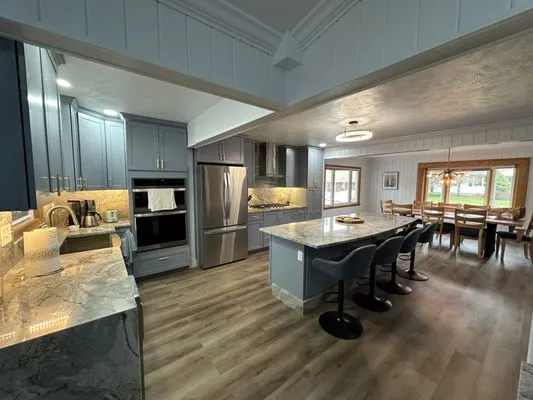
Lakeview Construction is a Cleveland-based building and remodeling contractor dedicated to transforming local homes. We handle projects of all sizes, from comprehensive ground-up construction—includin...
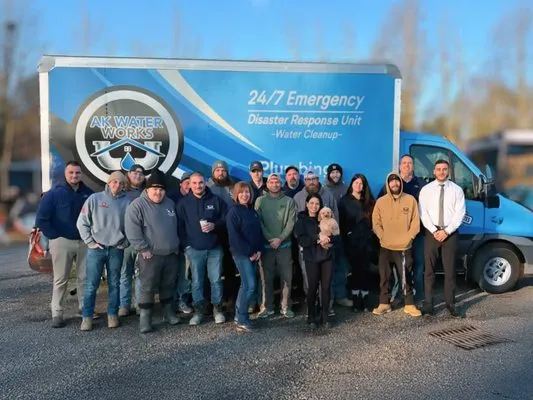
AK Water Works Plumbing & Drain
AK Water Works Plumbing & Drain is a family-owned, locally-operated plumbing company dedicated to serving Warren, OH, and the surrounding communities. We understand that plumbing problems are more tha...

R & R Mechanical is a Cleveland-based, MBE & EDGE certified mechanical services provider founded in 1986. With a team of licensed and insured plumbers boasting over a century of combined experience, t...

Plunger Plumber is a family-owned and operated plumbing service based in Cleveland, Ohio, with over two decades of experience serving Northeast Ohio. We provide a comprehensive range of residential an...
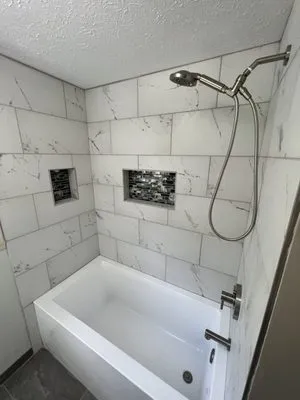
LM Home Improvement & Renovation LLC is a Norton-based contractor dedicated to transforming homes throughout the community. We specialize in comprehensive interior remodeling, with a strong focus on b...
Hacketts HVAC
Hacketts HVAC is your trusted, full-service heating, cooling, and plumbing expert serving Uniontown and the surrounding communities. As a locally owned and operated company, we understand the specific...
Estimated Plumbing Costs in Nile, OH
Questions and Answers
Why do my galvanized pipes keep springing pinhole leaks?
Galvanized pipe fails from the inside out. Decades of mineral deposits and rust create scale buildup that chokes water flow and traps moisture against the pipe wall. This leads to accelerated corrosion, resulting in the pinhole leaks you're seeing. Often, the first leak you find is just the weakest point; other sections of the same pipe are likely just as thin and ready to fail.
My house was built in the 60s. Should I be worried about my plumbing?
Homes built around 1965 in Nile Township have plumbing that's about 61 years old in 2026. Galvanized steel pipe, the standard of that era, has a typical lifespan of 40 to 60 years. You're likely seeing a sharp increase in low water pressure, rust-colored water, or complete blockages. This isn't a minor inconvenience; it's the pipe's interior rusting and flaking off until the opening is gone.
Do I need a permit to replace my water heater or repipe my house?
Yes, major plumbing work in Scioto County requires permits from the Building Department. As a master plumber licensed by the Ohio Construction Industry Licensing Board, I handle pulling those permits, scheduling inspections, and ensuring the work meets all current code. My license means the red tape and compliance details are managed for you, protecting your home's value and your safety.
What's the most important thing to do for my pipes before winter in Nile?
The key is acting before our average low of 21°F hits. Disconnect and drain all outdoor hoses. Insulate any exposed pipes in crawl spaces or basements. For vacant properties, a pro-tip is to shut off the main valve and completely drain the system. The real danger period is the spring thaw, when ground shifts from freezing and thawing can stress old pipe joints and cause sudden breaks.
What plumbing issues are unique to living in a rural area like Nile Township?
Rural plumbing revolves around your private well and septic system. Pressure tanks, well pumps, and septic fields are your responsibility. A leak isn't just a water bill concern; it can run your well pump dry and burn it out. Septic system health is critical—avoiding grease and non-biodegradables is more important here than in a city with municipal sewer treatment.
Could the hilly land around here be causing my sewer problems?
The slope of your property directly impacts drainage. On a hillside, gravity can put excessive stress on the main sewer line running to the septic tank or street, potentially causing misalignment or joint separation. Conversely, homes at the bottom of a slope near the Scioto River floodplain can experience groundwater saturation that puts hydrostatic pressure on pipes and septic fields, leading to backups.
How long does it take for a plumber to get to Nile from the city?
A dispatch from the Scioto River area typically heads out State Route 104. For a master plumber, that's a 45 to 60 minute drive depending on weather and road conditions. We factor this into our scheduling to give you a realistic arrival window, and we communicate if traffic or roadwork on 104 causes a delay.
Does having a private well mean my water heater will fail sooner?
Private wells in our area pull hard water directly from the ground, rich in minerals like calcium and magnesium. Without municipal softening, that scale aggressively builds up inside your water heater's tank and on its heating elements. This insulating layer forces the unit to work harder, drastically shortening its life and increasing your energy bills. An annual flush can help, but it's a constant battle against the water chemistry.
