Top Emergency Plumbers in New Middletown, OH, 44442 | Compare & Call

There are 66 plumbing companies server in New Middletown OH
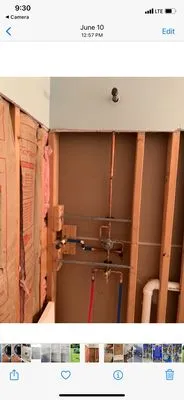
Advanced Plumbing in Austintown, OH, is a trusted local plumbing service provider dedicated to helping homeowners and businesses with a wide range of plumbing needs. From routine installations and rep...
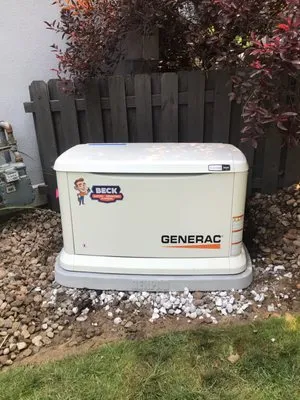
Beck Electric, Generators, & Plumbing
Since 2007, Beck Electric, Generators & Plumbing has been a trusted, family-owned resource for Canton and Waynesburg area homeowners. We provide reliable electrical and plumbing solutions for both eve...
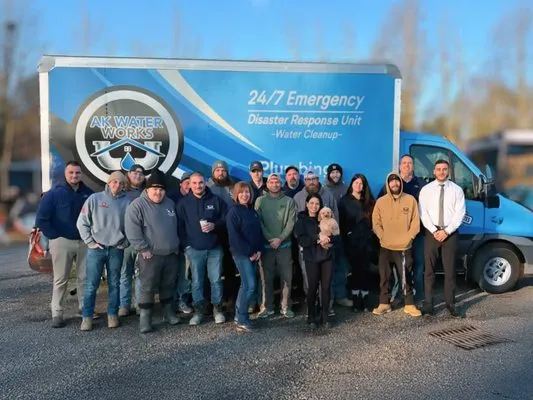
AK Water Works Plumbing & Drain
AK Water Works Plumbing & Drain is a family-owned, locally-operated plumbing company dedicated to serving Warren, OH, and the surrounding communities. We understand that plumbing problems are more tha...

R & R Mechanical is a Cleveland-based, MBE & EDGE certified mechanical services provider founded in 1986. With a team of licensed and insured plumbers boasting over a century of combined experience, t...
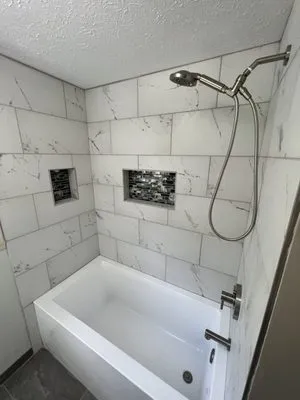
LM Home Improvement & Renovation LLC is a Norton-based contractor dedicated to transforming homes throughout the community. We specialize in comprehensive interior remodeling, with a strong focus on b...
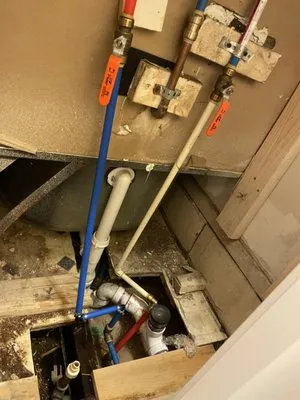
Lehman Drain & Septic
Lehman Drain & Septic is a family-owned plumbing and septic service company serving Hartville, OH, and the surrounding Stark, Portage, and Summit counties. With over 20 years of experience, owner Bran...
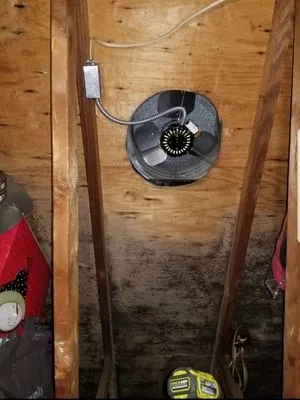
Red House Home Repair LLC is your local, trusted handyman serving the Lisbon community. With seven years of dedicated experience, we have built a reputation for reliable, high-quality workmanship and ...
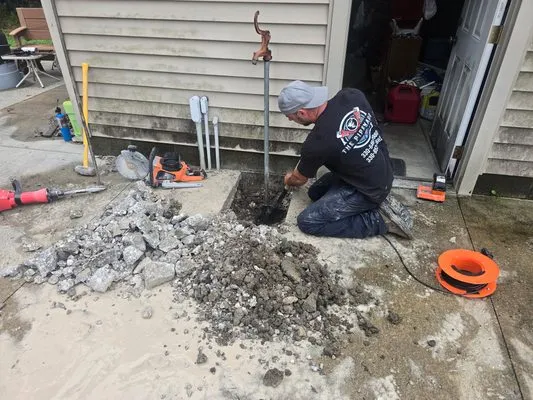
The PipeNado is a trusted plumbing and yard service provider serving Youngstown and the surrounding Mahoning and Trumbull counties. Founded in 2025 by James McElrath Jr., the business is built on a le...
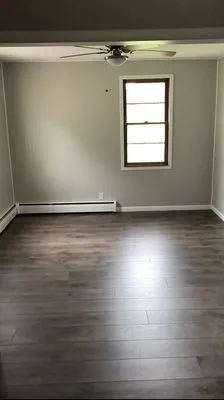
Edwards Home Repair is a new Lisbon-based company built on 30 years of hands-on experience. Owner Edward Byrne began his career working alongside his father, a licensed builder, learning carpentry, re...

1-800-Plumber +Air in Boardman, OH, is a locally and family-owned service provider dedicated to being the best for the Youngstown area. Our focus is on delivering fast, dependable plumbing and HVAC se...
Estimated Plumbing Costs in New Middletown, OH
Frequently Asked Questions
Why do my copper pipes keep springing pinhole leaks?
This is the signature failure for 1970s-era copper systems. After 56 years, internal corrosion and erosion from our hard water can thin the pipe walls until they fail. The leaks often start at solder joints or where pipes rub against framing, and they're accelerated by the mineral content from the Mahoning River source water. A whole-house repipe is often the most reliable long-term fix.
Does our hard water damage plumbing fixtures?
Yes, the hard water from the Mahoning River causes significant scale buildup. You'll see it crusting on showerheads and faucet aerators, but the real damage is inside appliances. Water heaters are especially vulnerable; scale acts as an insulator on the heating elements, forcing them to work harder and fail sooner. Installing a water softener is the most effective way to protect your entire system from this wear.
How long should copper pipes last in New Middletown?
Copper piping installed around 1970 is now about 56 years old, which is the typical end of its service life. Homeowners in New Middletown Village Center are now seeing the first major wave of systemic failures, like frequent pinhole leaks behind walls or under slabs. The thin-walled Type M copper used in many homes from that era is especially prone to corrosion and wear from decades of water flow and soil chemistry.
Can the hilly land around here cause plumbing problems?
The slope of the land, like around Welker Park, directly stresses the main sewer line running from your home to the street. Over decades, ground settling on a hill can cause the pipe to sag or develop a negative slope, creating a spot for waste to collect and blockages to form. It also affects drainage around your foundation, so ensuring your downspouts divert water away from the house is critical.
What's the most important thing to do before spring in New Middletown?
Disconnect your garden hoses and shut off the exterior water supply bibs before the first hard freeze. A common pro-tip here is to do it by Thanksgiving. When the spring thaw hits, any trapped water in a connected hose or a faulty sillcock can expand and crack the pipe inside your wall, leading to a major leak. This simple step prevents one of our most frequent cold-weather callouts.
Do I need a permit to replace my water heater?
Most plumbing work, including water heater replacement, requires a permit from the New Middletown Zoning and Building Department. As a Master Plumber licensed by the Ohio Construction Industry Licensing Board, I pull all necessary permits and schedule the required inspections. I handle that red tape so you don't have to, ensuring the job is documented and meets all current state and local codes.
How quickly can a plumber get to my house in an emergency?
Heading past Welker Park on State Route 170 is the primary dispatch route for most local calls, which puts my average response time at 25 to 35 minutes. Traffic on 170 is generally light, but that timing can extend during heavy snowfall or the morning rush. I plan routes around these factors to get you help as fast as the roads allow.
Is there a difference between village and rural plumbing here?
Absolutely. Homes on municipal water and sewer in the village center deal with specific pressure issues and shared lateral line responsibilities. More rural properties rely on private wells and septic systems, which require entirely different maintenance, like checking pressure tanks and having the septic tank pumped every few years. The solutions and codes differ significantly based on your location.
