Top Emergency Plumbers in New Market, OH, 45133 | Compare & Call

There are 240 plumbing companies server in New Market OH

Summers Plumbing Heating & Cooling
Summers Plumbing Heating & Cooling has been a trusted provider of plumbing, heating, and cooling services in Anderson, IN, and across Indiana and Ohio for over 40 years. With 16 locations and extensiv...
Hoosier Drain Guys is a woman-owned plumbing service based in Losantville, IN, dedicated to putting customers first with fair pricing and reliable solutions. Led by Kim, the company focuses on quality...

Rogers Plumbing Service has been providing reliable plumbing solutions to Richmond, IN, and the surrounding Wayne County area for years. We understand the specific challenges homeowners face with our ...
Reynolds Plumbing has been a trusted plumbing and HVAC provider in Richmond, IN, and the surrounding Wayne County area since 1983. With over 30 years of experience, we specialize in a wide range of se...
Flow Right is your trusted local plumbing partner in Richmond, IN, dedicated to keeping homes safe and functional. We understand the common local headaches like laundry hose bursts and stubborn bathro...

Ramey Plumbing & HVAC is a trusted local service provider in Liberty, Indiana, dedicated to keeping homes comfortable and functional. We specialize in a wide range of plumbing and HVAC services, from ...

Eckel Plumbing Company is a family-owned and operated plumbing business serving West Harrison, IN, and the broader Tri-State area since 1976. Our dedicated team of licensed professional plumbers provi...
DNA Construction & Welding
DNA Construction & Welding is a locally owned and operated contractor in Aurora, Indiana, founded and run by owner Dean. After a lifetime of experience in the trades, Dean created this company to be a...
Mohr Plumbing is a trusted, licensed plumbing and heating contractor serving Aurora, IN, and the surrounding areas. With a focus on both residential and commercial properties, we provide reliable plum...
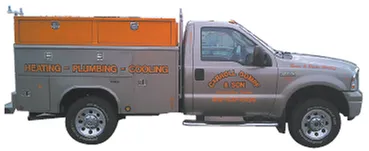
Carroll Gompf & Son Sewer
For over 60 years, Carroll Gompf & Son Sewer has been a trusted, family-owned plumbing and sewer service provider in Lawrenceburg and the surrounding Tri-State area. We handle a wide range of resident...
Estimated Plumbing Costs in New Market, OH
Frequently Asked Questions
How fast can a plumber get to my house in New Market?
Heading past Highland County Fairgrounds on US-62, I can reach most New Market addresses within 45-60 minutes. This dispatch route covers the main residential areas efficiently. Knowing the local roads means I arrive prepared with the right tools for common issues here.
How long do copper pipes last in New Market homes?
Copper plumbing installed around 1974 is now 52 years old. Homeowners in New Market Village are seeing pinhole leaks and joint calcification as the pipes reach this age. The original solder joints and pipe walls thin over decades of water flow. Regular inspections can catch these issues before they become major water damage problems.
Do I need permits for plumbing work in Highland County?
Highland County Building Department requires permits for most plumbing modifications beyond basic repairs. As a licensed master plumber with Ohio Construction Industry Licensing Board credentials, I handle the red tape so you don't have to. Proper permits ensure work meets current code standards and protects your home's value. This includes everything from water heater replacements to sewer line repairs.
Does hard well water damage my plumbing fixtures?
Hard water from private wells causes scale buildup that reduces water heater efficiency by 20-30% over time. Fixtures develop mineral deposits that restrict flow and wear out seals faster. Water heaters need more frequent flushing in New Market to prevent sediment accumulation. Installing a whole-house water softener extends the life of all your plumbing components.
Why do my 1970s copper pipes keep springing leaks?
Copper pipes from 1974 often develop pinhole leaks due to decades of water flow and mineral interaction. The pipe walls thin in specific spots, creating small failures that worsen over time. Joint calcification from hard water buildup also stresses connections. These issues typically appear in homes of this age throughout New Market.
How does rural living affect my septic and well systems?
Rural properties with private wells and septic tanks require different maintenance than municipal systems. Well pumps need regular pressure checks and sediment filters. Septic systems should be pumped every 3-5 years depending on household size. Unlike city water, you're responsible for both supply and disposal, so proactive care prevents costly emergencies.
What should I do before spring thaw to prevent plumbing problems?
Insulate exposed pipes before temperatures drop to 20°F, especially in crawl spaces and along exterior walls. Drain outdoor spigots and disconnect hoses before the first hard freeze. Check your main water shut-off valve so you can quickly isolate leaks during thaw cycles. These steps prevent the most common cold-weather emergencies in our temperate climate.
Could my property's slope be causing drainage issues?
The plain terrain around Highland County Fairgrounds has gentle slopes that sometimes direct water toward foundations rather than away. This puts constant hydrostatic pressure on your main sewer line. Improper grading can lead to basement backups during heavy rains. Ensuring positive drainage away from your home protects both your plumbing and foundation.
