Top Emergency Plumbers in New Franklin, OH, 44203 | Compare & Call

There are 239 plumbing companies server in New Franklin OH
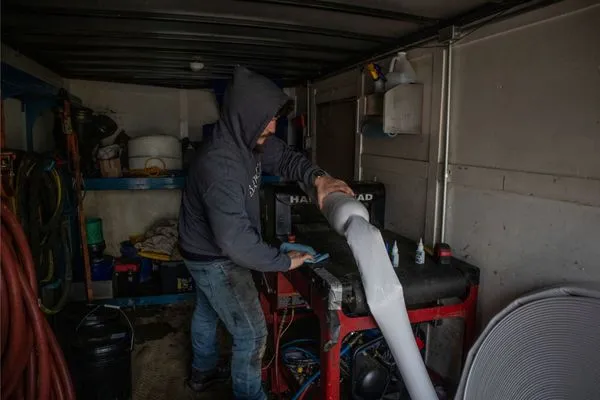
Sewer Pro is your Columbus-based expert in trenchless sewer repair and plumbing services. We specialize in methods like pipe lining and pipe bursting that fix underground pipes with minimal digging, s...

ExpertPipe Rooter is a family-owned plumbing service based in Cleveland, OH, dedicated to providing reliable and transparent solutions for residential plumbing needs. We specialize in a comprehensive ...

Sal's Heating & Cooling, Plumbing & Sewer
Sal's Heating & Cooling, Plumbing & Sewer has been serving North Royalton and surrounding communities since 1975. Founded by Sal Sidoti Sr. and now led by his son Sal Sidoti, this family-owned busines...

Plumbing 911 is a family-owned and operated plumbing service serving Akron and Northeast Ohio since 2010. Founded by Master Plumber Keith Miller and his wife Karen, the business is built on a simple p...
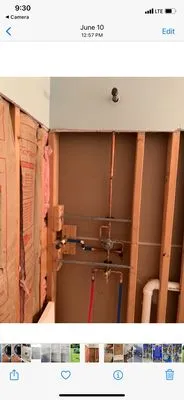
Advanced Plumbing in Austintown, OH, is a trusted local plumbing service provider dedicated to helping homeowners and businesses with a wide range of plumbing needs. From routine installations and rep...
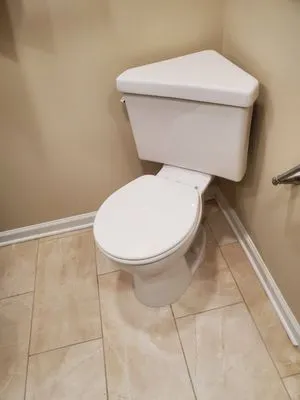
Your Home Handyman in Cuyahoga Falls is your local, trusted expert for plumbing and electrical projects. With roots in the community dating back to the 1970s, I began my career as a plumber's helper, ...
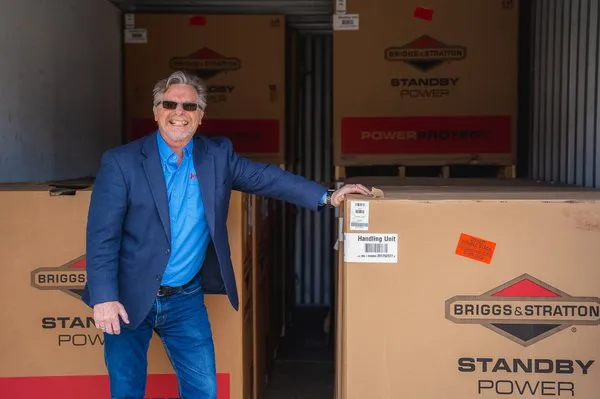
Jennings Heating, Cooling, Plumbing & Electric
Jennings Heating, Cooling, Plumbing & Electric has been a trusted home services provider in Akron since 1931. Originally founded by the Jennings brothers, the company has grown from a coal supplier in...
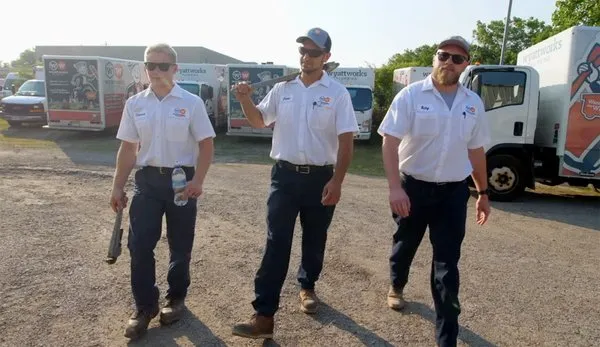
WyattWorks Plumbing
WyattWorks Plumbing has been serving Seven Hills, OH, since 1980, providing reliable plumbing solutions for homeowners. Specializing in hydro-jetting, water heater services, drain cleaning, and trench...
Since 1912, Wilkes Plumbing & Heating has been the trusted mechanical contractor for Huron, OH, and the surrounding communities. Founded by Franklin W. Wilkes, our family of highly trained and license...
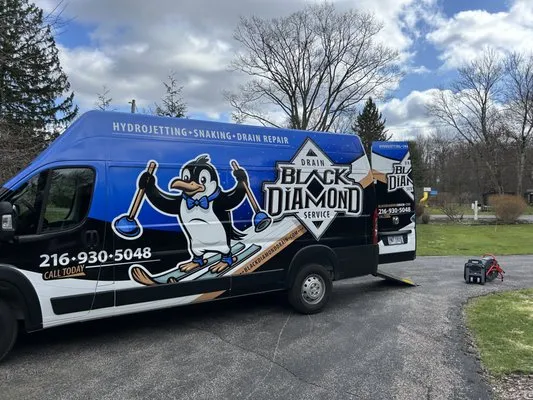
Black Diamond Drain Service
Black Diamond Drain Service is your trusted local plumbing and drain specialist in Bedford Heights, OH. We understand the common frustrations Bedford Heights residents face, such as low water pressure...
Estimated Plumbing Costs in New Franklin, OH
Question Answers
Do I have different plumbing issues living in a suburb versus a city?
In a suburban setting like ours, the main concerns are often with the long sewer lateral running from your house to the municipal main under the street. Tree roots seek out moisture in these lines, especially older ones, and can cause significant blockages. Municipal water pressure is generally stable, but pressure-reducing valves can fail over time.
What's the most important winter plumbing tip for this area?
Before temperatures consistently drop to our average low of 19°F, disconnect and drain your garden hoses. A frozen hose bib can cause a burst pipe inside your wall. This simple step is more critical in New Franklin than in milder areas due to our prolonged freeze cycles and the spring thaw, which puts immense pressure on any compromised plumbing.
Why do my copper pipes keep springing pinhole leaks?
Copper pipe installed around 1963 often develops pinhole leaks due to a combination of age and the specific mineral content in our water supply. Over six decades, internal corrosion and erosion thin the pipe wall. Once a weak spot forms, the high mineral content can accelerate the failure, creating those small, persistent leaks.
Do I need a permit to replace my water heater or repipe my house?
Most major plumbing work in Summit County requires a permit and inspection to meet building standards. As a Master Plumber licensed by the Ohio Construction Industry Licensing Board, I handle pulling the permit, scheduling inspections, and ensuring the work passes code. This manages the red tape for you and guarantees the installation is documented and safe.
Could the hilly land around here cause plumbing problems?
Yes, the hilly terrain common around Nimisila Reservoir and throughout New Franklin stresses underground main lines and drainage systems. The constant gravitational pull on long pipe runs can stress fittings. It also complicates proper drainage slope for sewer lines, making them more susceptible to blockages from soil shifting or root intrusion.
Are 1960s copper pipes in New Franklin a major concern right now?
Your copper plumbing from 1963 is now 63 years old. This is a critical lifespan for that era's copper, and homeowners from New Franklin to Manchester are seeing the same pattern. The pipe walls thin from decades of water flow, leading to a high frequency of pinhole leaks and joint failures. Proactive replacement or inspection is often more cost-effective than reacting to multiple leaks.
How quickly can a plumber get to me in New Franklin?
Our typical response from Manchester is 25 to 35 minutes. Heading past Nimisila Reservoir on I-77 gives us a direct route into most New Franklin neighborhoods. We factor in local traffic patterns and weather, especially during our snowbelt winters, to provide you with a reliable arrival window.
How does Akron's hard water affect my home's plumbing?
Akron's water supply is very hard, meaning it has high levels of dissolved calcium and magnesium. This mineral content forms scale, a rock-like buildup, inside pipes and on fixtures. The most common impact is reduced efficiency and lifespan of water heaters, as scale insulates heating elements and traps sediment. Fixture aerators also clog frequently.
