Top Emergency Plumbers in Mount Healthy, OH, 45231 | Compare & Call

There are 144 plumbing companies server in Mount Healthy OH
DNA Construction & Welding
DNA Construction & Welding is a locally owned and operated contractor in Aurora, Indiana, founded and run by owner Dean. After a lifetime of experience in the trades, Dean created this company to be a...
Carroll Gompf & Son Sewer
For over 60 years, Carroll Gompf & Son Sewer has been a trusted, family-owned plumbing and sewer service provider in Lawrenceburg and the surrounding Tri-State area. We handle a wide range of resident...
Diamond Plumbing is a family-owned and operated plumbing service based in Lawrenceburg, IN, founded by Ethan with deep roots in the trade. Growing up immersed in plumbing and business through his fath...
The Randyman in Aurora, IN is a family-owned and operated handyman and plumbing service built on a foundation of 20 years of experience. Founder Randy started the business to provide honest craftsmans...
Weed's Home Services is a Veteran-owned home repair and improvement company serving West Harrison, IN, and the surrounding area. Founded in 2019, we bring over 15 years of hands-on experience to every...
Cody's Drain Cleaning and Repair
Cody's Drain Cleaning and Repair is a locally owned plumbing and excavation business serving Lawrenceburg, IN, with over 20 years of plumbing and 13 years of excavation experience. As a private owner-...
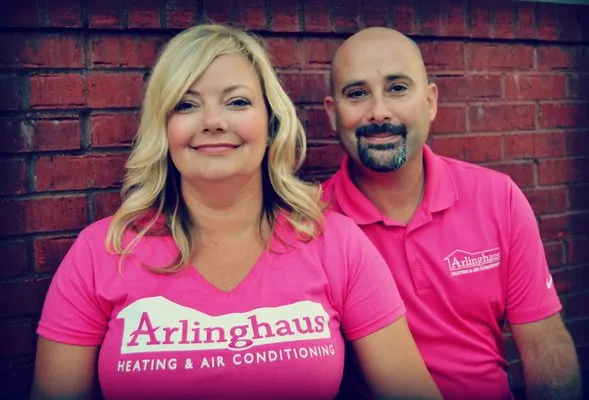
Arlinghaus Plumbing Heating & Air Conditioning
Arlinghaus Plumbing Heating & Air Conditioning is a family-owned business proudly serving Erlanger, KY, and the Greater Cincinnati area since 2008. Founded by Brian and Heather Arlinghaus, our team of...
Arronco Comfort Air
Arronco Comfort Air has been a trusted, family-owned HVAC and plumbing company serving Burlington, KY, and the greater Cincinnati area since 1984. We specialize in geothermal and high-efficiency heati...
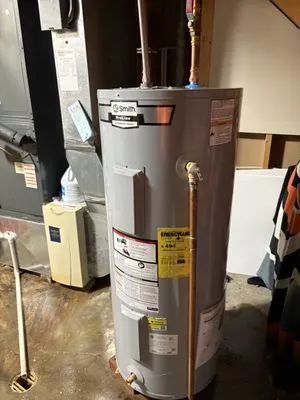
Premier Plumbing is a locally owned and operated plumbing service based in Covington, KY, proudly serving the entire Northern Kentucky and Cincinnati metro area. As a Covington Catholic High School gr...
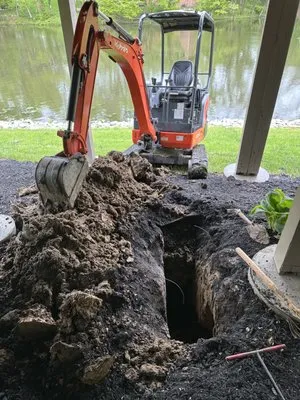
Kremer Plumbing Services
Kremer Plumbing Services has been serving Alexandria, KY since 2014 with a straightforward mission: to make plumbing repairs easy, quick, and affordable. This commitment has established us as a truste...
Estimated Plumbing Costs in Mount Healthy, OH
Common Questions
As a suburban homeowner, what municipal plumbing issues should I watch for?
In Mount Healthy's suburban setting, the primary concerns are the age of the connection between your home and the city main, and tree roots. Your lateral line is your responsibility up to the tap at the street. Roots from mature trees are drawn to the moisture in old clay or jointed pipes, and they can infiltrate and completely block a line, causing backups. Regular drain cleaning can be a preventive measure.
Could the hilly land around Mount Healthy City Park cause plumbing problems?
The sloping terrain common here directly affects drainage and pipe stress. On a hill, the main sewer lateral from your house to the municipal line is under constant gravitational stress, which can lead to joint separation or bellies in the pipe over time. For homes at the bottom of a slope, it can mean increased hydrostatic pressure on your foundation and basement plumbing during heavy rains.
Does our Ohio River water damage plumbing fixtures?
The mineral content from the Ohio River watershed creates very hard water. This leads to rapid scale buildup inside appliances and on fixtures. Water heaters are especially vulnerable; the sediment acts as an insulator, forcing the unit to work harder and fail prematurely. You'll notice this as reduced flow from showerheads and faucets, and higher energy bills.
What's the biggest plumbing risk during a Mount Healthy winter?
While our low of 21°F can freeze pipes, the bigger annual threat is the spring thaw. Rapid temperature swings cause the ground to heave and settle, which stresses old underground service lines and can break already-corroded connections. A pro-tip for this temperate climate is to know where your main water shutoff is and ensure your hose bibs are properly winterized before the first hard freeze.
How quickly can a plumber get to my house in Mount Healthy?
Our typical dispatch route has us heading past Mount Healthy City Park on Ronald Reagan Cross County Highway, which provides direct access to most neighborhoods. A 20-30 minute response time is standard from the initial call. We factor in local traffic patterns and keep our service vehicles stocked for the most common emergencies we see with older plumbing systems in the area.
My Mount Healthy home was built in the 1950s. Should I be worried about my pipes?
With galvanized steel pipes installed around 1956, your home's plumbing is now 70 years old. This material has a reliable lifespan of about 40-50 years, so you're well into the failure window. Homeowners in the Hamilton Avenue Corridor are now seeing chronic low water pressure and persistent rust-colored water as the interior of these pipes corrodes and narrows. It's not a question of if, but when a major section will fail.
Do I need a permit to replace my water heater or repipe my house?
Yes, most significant plumbing work in Mount Healthy requires a permit from the Mount Healthy Building Department. As a Master Plumber licensed by the Ohio Construction Industry Licensing Board, I handle pulling those permits and scheduling the required inspections. This ensures the work meets current code for safety and insurance purposes, so you don't have to navigate the red tape yourself.
Why do my pipes keep springing pinhole leaks?
Galvanized steel from the mid-1950s suffers from internal corrosion and scale buildup. Over 70 years, the protective zinc coating wears away, allowing the base steel to rust. This creates weak spots that fail under standard municipal water pressure, resulting in those frustrating pinhole leaks. Often, fixing one just moves the pressure point to the next weakest spot in the line.
