Top Emergency Plumbers in Morris, OH, 43019 | Compare & Call

There are 128 plumbing companies server in Morris OH

Buckeye Plumbing & Drains is your local, licensed plumbing and septic expert serving Orient and the surrounding central Ohio communities. We know plumbing problems are stressful, which is why our appr...

XCEL Plumbing & Drains is a locally owned and operated plumbing service dedicated to serving the residents of Columbus, Ohio. We understand that plumbing problems can disrupt your home and your day. O...
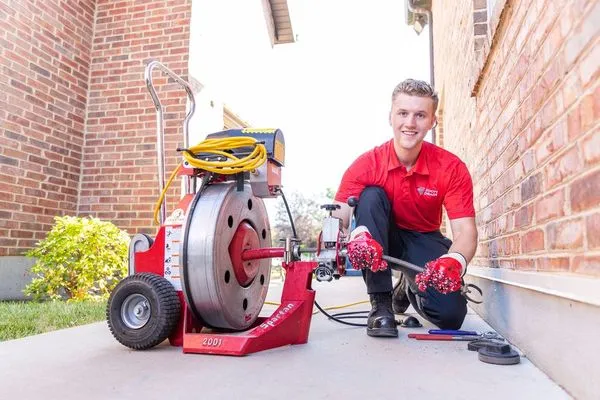
Zoom Drain in Powell, OH, is your local specialist for resolving stubborn drain and sewer issues. Our fully equipped service trucks arrive prepared for anything, featuring advanced video inspection te...

Mid City Property Pros is a Columbus-based home service company specializing in handyman, electrical, and plumbing work. We help local homeowners with repairs, installations, and maintenance, from fix...

Handyman 24 7 is a full-service home maintenance and repair company serving Columbus, OH, and surrounding areas. We provide a comprehensive range of solutions, from simple handyman tasks like furnitur...
At Greene's Plumbing Service in Columbus, OH, we believe if a job's worth doing, it's worth doing right. That commitment to quality is the foundation of every repair and installation we handle for our...
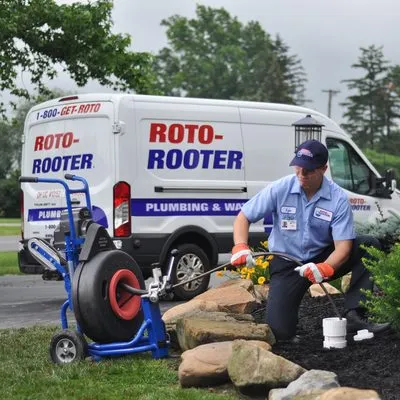
Roto-Rooter Plumbing & Water Cleanup
Roto-Rooter Plumbing & Water Cleanup provides reliable, 24/7 emergency plumbing and water damage services for Delaware, OH, homeowners and businesses. Our team is fully staffed and ready to help with ...

American Mechanical Group
American Mechanical Group has been a trusted family-owned service provider in Ohio since 1945. Based in Columbus and also serving Dayton, our team of 22 skilled technicians is equipped to handle your ...
Done Right Plumbing is your trusted, full-service plumbing partner in Delaware, Ohio. We specialize in everything from routine repairs to complete installations, ensuring your home's water and gas sys...
Amanda Plumbing
Amanda Plumbing has been a trusted, family-owned plumbing resource for Delaware, OH, and surrounding communities since 1995. Built on word-of-mouth referrals and lasting customer relationships, we are...
Estimated Plumbing Costs in Morris, OH
Frequently Asked Questions
My house in Morris was built in the late 1930s. Should I be worried about my plumbing?
Homes in the Main Street District built around 1938 are now approaching 88 years old. Galvanized steel pipe, the standard of that era, has a functional lifespan of 40 to 70 years. You're now seeing the tail end of that window. What manifests is a gradual reduction in water pressure as mineral deposits and rust completely fill the pipe bore, and an increase in leaks at the threaded joints where the steel has thinned over decades.
Is plumbing different for a rural home compared to one in town?
The primary difference is the complete on-site systems. You're responsible for everything from the well pump and pressure tank to the septic field. A failing pressure switch on the well can leave you with no water, and a clogged septic lateral is a much larger repair than a simple municipal sewer cleanout. Maintenance focuses on these private components, which you won't find on a city water and sewer line.
What should I do to my plumbing before a cold Morris winter?
The key is acting before temperatures consistently hit the low 20s. A pro-tip for our temperate climate is to disconnect and drain garden hoses every fall, and shut off the interior valve to those exterior spigots. During the spring thaw, when saturated ground shifts, keep an eye on exposed pipes in crawl spaces for new stress on fittings. Insulating these lines is a simple, effective preventative step.
Does having a private well mean I need different plumbing maintenance?
Yes, private wells supply untreated hard water directly into your home. That high mineral content leads to rapid scale buildup inside appliances and fixtures. Water heaters are particularly vulnerable; the lower heating element can become completely encased in limestone-like scale, causing it to overheat and fail. Anode rods in the tank also deplete faster, leaving the tank itself prone to corrosion.
Do I need a permit to replace a water heater or repipe my house?
Most substantial plumbing work in Clinton County requires a permit from the Building and Zoning Department. As a master plumber licensed by the Ohio Construction Industry Licensing Board, I pull those permits, schedule the required inspections, and ensure the work meets all current code. Homeowners don't have to navigate that red tape; handling it is a standard part of the professional service.
What causes those small, sudden leaks in old pipes?
In galvanized steel systems from the 1930s, pinhole leaks are a common failure point. The interior of the pipe corrodes unevenly due to decades of contact with oxygen and minerals in the water. This creates thin spots that eventually perforate. You'll often find these leaks along horizontal runs or just downstream from a fitting, where turbulence accelerated the corrosion.
Can the hilly land around here affect my sewer or drainage?
The sloping terrain common around the Courthouse area puts constant, uneven stress on the main sewer line exiting your home. Over years, this can cause sections to settle or joints to separate. For drainage, if your home is situated on a slope, surface water can channel towards your foundation. Ensuring your downspouts extend well away from the house is critical to avoid water intrusion into basements or crawl spaces.
How quickly can a plumber get to my home in Morris for an emergency?
A dispatch from our shop typically heads past Clinton County Courthouse onto US-68, which is the main artery through the area. That route gets us into most parts of Morris within a 45 to 60 minute window. We factor in local traffic and your specific location off the main roads, but we're moving as soon as we get the call.
