Top Emergency Plumbers in Montpelier, OH, 43543 | Compare & Call

There are 12 plumbing companies server in Montpelier OH
Gibson's Heating & Plumbing
Gibson's Heating & Plumbing is a trusted, family-owned business serving Waterloo and the surrounding region for over 27 years. Founded and operated by the Gibson family, we live and work in the same c...
4 Star Plumbing, Heating & Air Conditioning
4 Star Plumbing, Heating & Air Conditioning has been a trusted family-owned business serving Bryan, Ohio and Williams County since 1999. We specialize in comprehensive plumbing, heating, and air condi...
Fraas Heating & Cooling
Fraas Heating & Cooling is a locally owned and operated company serving Archbold, OH, and the broader Northwest Ohio region since 1870. We provide reliable 24-hour emergency service for residential, i...
Woolace & Johnson
Woolace & Johnson is your trusted Stryker plumbing and HVAC company, providing reliable service for both emergency repairs and planned installations. We understand the common local frustrations like t...
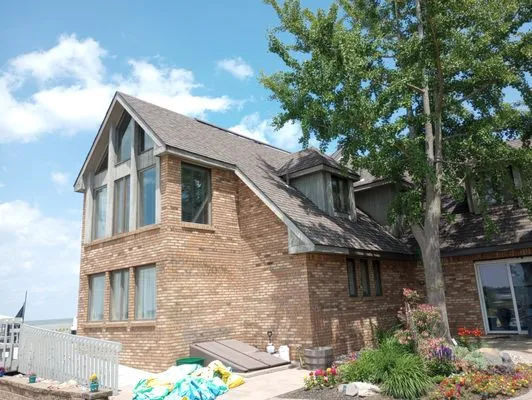
Jet Improvements LLC is a locally owned and operated home service company serving Toledo, OH, and the surrounding communities. We specialize in a comprehensive range of plumbing, roofing, and gutter s...
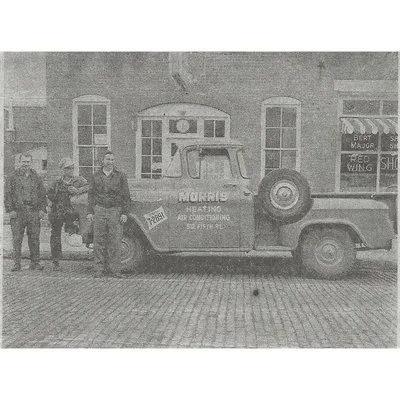
Morris Heating, Air Conditioning & Plumbing
Morris Heating, Air Conditioning & Plumbing has been a cornerstone of the Defiance community since 1956, when George W. Morris purchased the business from his aunt. Originally named Slough Heating and...
Ascend Mechanical is a trusted local provider of HVAC, plumbing, and electrical services for homes in Bryan, Ohio. Our focus is on providing reliable solutions, from expert repairs to preventative mai...
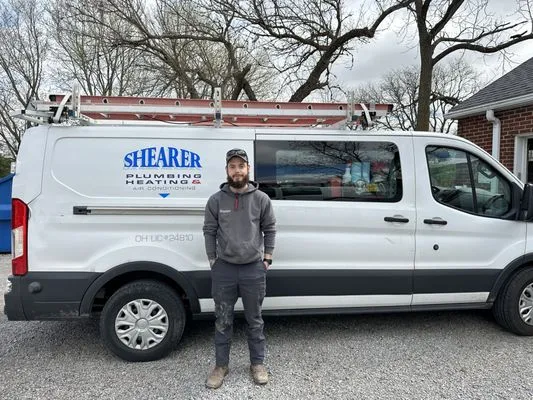
Shearer Plumbing & Heating has been a trusted name in Bryan, Ohio, for over 75 years, specializing in comprehensive plumbing and heating solutions for residential needs. Our team handles everything fr...
Stark's Plumbing & Heating Services
Since 1971, Stark's Plumbing & Heating Services has been a trusted, family-owned resource for Bryan, OH residents and businesses. We focus on making your home comfortable through expert plumbing, heat...
Jay's Heating and Cooling
For over 13 years, Jay's Heating and Cooling has been the trusted local name in Bryan, OH, for keeping families comfortable and their systems running smoothly. We treat every customer like part of our...
Estimated Plumbing Costs in Montpelier, OH
FAQs
How long does it take a plumber to get to my house in Montpelier?
My typical dispatch route has me heading past the Williams County Fairgrounds on US-20. From there, US-20 provides a direct path into most neighborhoods. For a standard service call in Montpelier proper, I can usually be on-site within 20 to 30 minutes of the call. That routing avoids the bottlenecks you might find in a larger city.
Are houses in Downtown Montpelier built in the 50s known for plumbing problems?
Homes built around 1955, common in Downtown Montpelier, have galvanized steel pipes that are now over 70 years old. At this age, the interior zinc lining has completely worn away, exposing the raw steel to constant water contact. Homeowners often notice a persistent drop in water pressure and rusty discoloration at the taps, even after flushing the system. This is the metal corroding from the inside out, a process that accelerates dramatically in its final stages.
Could the flat land around here cause drainage issues for my main sewer line?
The generally plain terrain around Williams County, including near the Fairgrounds, can complicate drainage. Without a natural slope, water and soil saturation have nowhere to go, which puts constant, even pressure on buried main sewer lines. This hydrostatic pressure can force groundwater into small cracks or faulty joints in older pipes. It also means a blocked line won't drain by gravity alone, often requiring more aggressive jetting to clear.
What should I do to prepare my plumbing for a Montpelier winter?
The key here is acting before the deep freeze. Our lows can hit 18°F, but the real danger comes during the spring thaw when previously frozen ground shifts. My pro-tip is to disconnect and drain your outdoor hoses well before the first hard freeze, and insulate any pipes in unheated crawl spaces or against exterior walls. A slow drip on faucets during extreme cold isn't a bad idea, but preventing the initial freeze is better than thawing a burst pipe later.
Does our hard water from the St. Joseph River damage plumbing?
Water drawn from the St. Joseph River carries a high mineral content, which leads to hard water scaling. This scale accumulates inside pipes and, more critically, inside water heaters and faucet cartridges. It reduces appliance efficiency, causes premature failure of water heater elements, and restricts flow through fixtures. Installing a whole-house water softener is often the most effective long-term defense for your hardware.
My galvanized pipes are leaking at the joints. What's happening?
Galvanized steel pipes from the mid-50s frequently fail at the threaded joints. Over decades, scale buildup and corrosion cause the threaded fittings to swell and contract at different rates than the pipe itself. This creates stress fractures and pinhole leaks right at the connection points. It's rarely a simple fix, as tightening an old joint often cracks it further, requiring a section replacement.
As a rural homeowner, are there special plumbing systems I need to maintain?
Yes, rural properties typically operate on a private well and a septic system, not municipal lines. That means you're responsible for the entire water cycle, from the well pump and pressure tank to the septic tank and drain field. Regular septic pumping every 3-5 years is non-negotiable to avoid backups, and well components require periodic inspection. Understanding this full system is crucial for any repair or upgrade plan.
Do I need a permit to replace my water heater or repipe my house?
Most major plumbing work in Williams County requires a permit from the Building Department. As a master plumber licensed by the Ohio Construction Industry Licensing Board, I pull those permits as part of the job. I handle the red tape, schedule the required inspections, and ensure the work meets all current codes. This protects your investment and ensures the system is documented correctly for future sales.
