Top Emergency Plumbers in Monclova, OH, 43537 | Compare & Call

There are 54 plumbing companies server in Monclova OH
Peacock Plumbing is a family-operated, locally owned business serving Sylvania, Ohio, with deep roots in quality craftsmanship. Our promise is to never rush a repair and to treat every customer with t...
Top Notch Plumbing and Drain Cleaning LLC is a locally owned and operated plumbing service based in Grand Rapids, Ohio, serving the greater Toledo area. Founded in 2023, we are committed to providing ...
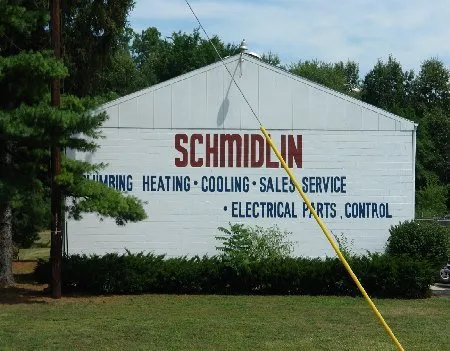
Since 1917, the Schmidlin family has been a trusted name in Toledo for heating, cooling, and plumbing services. Founded by Dan and Carl Schmidlin, the business has evolved through generations, from Sc...
Mr. Rooter Plumbing of Toledo
Mr. Rooter Plumbing of Toledo has been serving the Perrysburg community with reliable plumbing solutions since 1970. As part of a nationwide network with over 200 locations and 50+ years of experience...

Nicholas J. Barnes is a Licensed Master Plumber with over 25 years of experience in Toledo's plumbing industry. As the owner and operator of Innovative Plumbing Solutions, he brings expertise from wor...

Coot Poop Plumbing provides reliable and affordable plumbing services to Toledo, OH, and the surrounding areas. We offer a comprehensive range of services from routine repairs to complete installation...
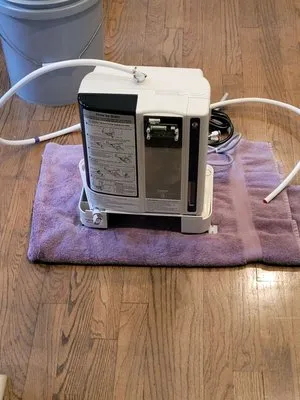
Fickwood Plumbing is a locally-owned, licensed plumbing service proudly serving Sylvania, Ohio, and the surrounding communities. We are your trusted neighbor for a comprehensive range of plumbing need...
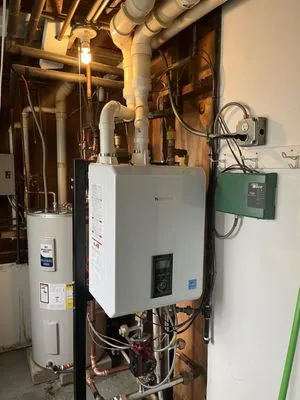
Wojo's Heating & Air Conditioning
Wojo's Heating, Air Conditioning & Plumbing is a family-owned and operated company serving Northwood since 1967. Founded on a reputation for skilled, dependable, and honest service, the business grew ...

Action Sewer Cleaning & Plumbing has been serving Toledo homes and businesses for over 40 years, providing reliable plumbing and sewer solutions. We handle everything from routine repairs to complex i...
Sarah's Renovations is a trusted, locally-owned contractor serving Toledo, OH, and the surrounding communities. We specialize in protecting and enhancing your home with expert siding services, includi...
Estimated Plumbing Costs in Monclova, OH
Common Questions
How quickly can a plumber get to my house in Monclova?
Heading past Side Cut Metropark on US-24, my typical dispatch route into Monclova takes about 20 to 30 minutes. This stretch of US-24 provides a direct path from most of Lucas County, avoiding heavier downtown Toledo traffic. Knowing the route allows me to accurately gauge arrival times and keep you informed.
How old are the pipes in most Monclova Village homes, and what should I watch out for?
Copper plumbing installed around 1993 is now 33 years old. At this age, homeowners around Monclova Village frequently see pinhole leaks developing in the pipe walls, particularly behind walls or under slabs. It's a failure mode specific to copper that has been in service for several decades, often accelerated by our hard water. You might notice unexplained drops in water pressure, a higher water bill, or damp spots on drywall.
What's the most important cold-weather plumbing tip for the Toledo area?
The most critical action is to disconnect and drain your garden hoses before the first hard freeze, which can dip to 18°F here. A frozen hose bib can burst the pipe inside your wall. During spring thaw, when frozen ground shifts, check your basement for signs of new leaks at pipe joints or where the main line enters the home, as this is a peak period for such failures.
Does Lake Erie water cause problems with my home's plumbing?
Water sourced from Lake Erie is notoriously hard, meaning it has a high mineral content. This leads to scale buildup inside pipes, water heaters, and fixtures like showerheads. Over time, scale significantly reduces water heater efficiency and can clog aerators. You'll often hear a popping or rumbling sound from a heavily scaled water heater as it struggles to operate.
Are there common plumbing issues for houses in suburban Monclova?
Suburban homes here typically connect to municipal water and sewer. A frequent issue involves the lateral sewer line from the house to the street. Over decades, tree roots seek out moisture and can infiltrate pipe joints, causing blockages. Another point of failure is the water pressure regulator; municipal pressure can fluctuate and wear out these valves, leading to excessively high pressure that stresses fixtures and pipes.
Could the flat land around here affect my home's main sewer line?
The generally plain terrain around Side Cut Metropark and Monclova means drainage relies on proper grading and slope. If the soil around your foundation settles, it can put stress on the main sewer line where it exits the house, potentially causing a sag or belly in the pipe. This low spot collects waste and leads to recurrent slow drains or backups, a common issue in older subdivisions.
Do I need a permit to replace my water heater in Lucas County?
Yes, Lucas County Building Regulations require a permit for water heater replacement. As a Master Plumber licensed by the Ohio Construction Industry Licensing Board, I pull all necessary permits, schedule inspections, and ensure the installation meets code. Handling this red tape is part of the job, so you don't have to navigate the county's requirements yourself.
Why does my 1990s Monclova home keep getting small copper pipe leaks?
Copper pipes from the early 90s are prone to pinhole leaks caused by a combination of age and internal water chemistry. The pipe wall gradually thins from the inside out, often due to micro-galvanic corrosion where dissimilar metals meet, like at old valve stems or without proper dielectric unions. These leaks start small but can quickly escalate, causing damage to cabinetry and subfloors.
